
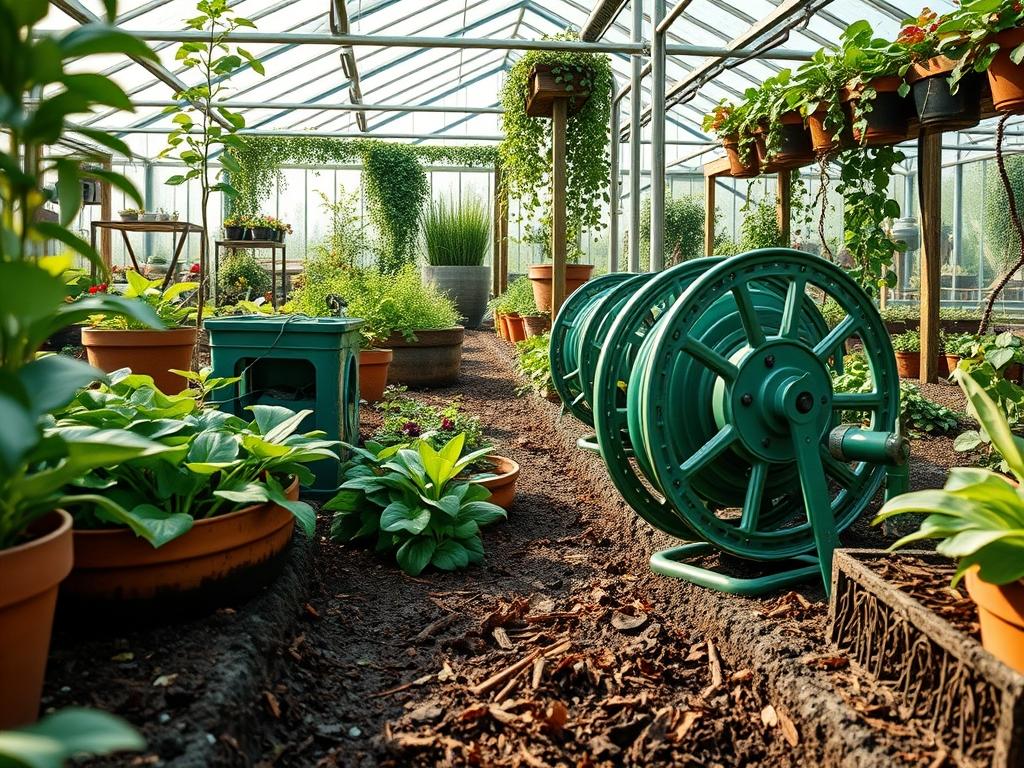
In the realm of high end residential design, the distinction between a hobbyist garden and a master planned landscape often lies in the management of utility. A sophisticated outdoor environment requires more than just lush turf and vibrant perennials; it demands a seamless integration of functional components that do not detract from the visual narrative. One of the most persistent challenges in maintaining this aesthetic balance is the management of irrigation equipment. Traditional hoses left coiled on the grass or draped over a plastic hanger create visual noise and physical hazards. Modern Garden Hose Reels offer a solution by providing hidden storage that complements contemporary architecture and clean landscape lines. Whether you are dealing with a temperate climate where freeze protection is paramount or an arid zone requiring frequent watering, the way you store your tools defines the longevity and curb appeal of your property.
A thoughtfully designed garden serves as an extension of the home, requiring the same attention to organization and storage as an interior living room. When a hose is left exposed, it disrupts the eye, breaking the continuous flow of green space or stone pathways. This is especially critical in minimalist or modern landscape styles where every line is intentional. By utilizing integrated storage solutions, a landscape architect can preserve the site’s professional finish while ensuring that high performance watering tools remain easily accessible for daily maintenance. This approach balances the raw beauty of nature with the practical requirements of horticulture, ensuring that functionality never comes at the cost of elegance.
Landscape Design Principles
Effective landscape design relies on the core principles of symmetry, focal points, and elevation layers. When choosing the placement for Modern Garden Hose Reels, designers must consider the visual axis of the garden. A hidden storage unit should be located near high traffic irrigation zones but placed in a way that it does not compete with a primary focal point, such as a water feature or a specimen tree. If a hose reel is wall mounted, its finish should match the existing hardware of the house, like bronze light fixtures or black steel window frames, to maintain a cohesive material palette.
Visual balance is achieved by anchoring these utility items within the landscape using softscaping. For example, placing a sleek, box style hose container on a bluestone paver pad and surrounding it with mid-sized shrubs creates a sense of permanence. This prevents the unit from looking like an afterthought. Furthermore, elevation plays a role in accessibility. Wall mounted units should be installed at a height that minimizes back strain, typically 24 to 30 inches from the ground, while keeping the structural footprint minimal. By planning the location of the hose bib and its accompanying reel during the initial schematic design phase, architects can ensure that plumbing is neatly tucked behind retaining walls or hidden within custom cabinetry.
Plant and Material Selection
The following table provides a selection of plants and materials that pair effectively with utility storage areas, helping to screen equipment while maintaining a professional aesthetic.
| Plant Type | Sun Exposure | Soil Needs | Water Demand | Growth Speed | Maintenance |
| :— | :— | :— | :— | :— | :— |
| Buxus sempervirens | Full Sun / Part Shade | Well-Drained | Moderate | Slow | High (Pruning) |
| Miscanthus sinensis | Full Sun | Adaptable | Low | Fast | Low |
| Lavandula angustifolia | Full Sun | Sandy / Gritty | Very Low | Moderate | Moderate |
| Taxus baccata | Shade / Part Sun | Loamy | Moderate | Slow | Low |
| Calamagrostis acutiflora| Full Sun | Moist | Moderate | Fast | Low |
| Ilex glabra | Part Shade | Acidic | High | Moderate | Moderate |
When selecting materials for the storage area itself, durability is the primary concern. Powder-coated aluminum, high-density polyethylene, and teak are preferred for their ability to withstand UV exposure and moisture. Crushed granite or pea gravel should be used as a base for floor-standing reels to prevent mud accumulation and ensure proper drainage around the unit.
Implementation Strategy
Implementing a garden layout that incorporates hidden storage requires a systematic approach. The first step involves grading. Ensure the area around the hose bib slopes away from the foundation at a minimum of 2 percent grade to prevent water pooling. Once the grade is established, designers should specify the hardscaping footprint. For a stationary hose reel, a 12×12 inch concrete paver or a small section of decomposed granite provides a stable, level surface that prevents the unit from tipping during use.
The second phase involves edging and mulch application. Use steel edging or aluminum landscape edging to create a crisp border between the utility pad and the surrounding planting beds. Within these beds, apply a layer of triple-shredded hardwood mulch at a depth of 3 inches. This mulch layer serves multiple purposes: it retains moisture for the screening plants, suppresses weeds around the hose reel, and provides a clean, dark backdrop that makes the modern design of the reel stand out. Finally, consider the irrigation connection. Use braided stainless steel lead hoses to connect the bib to the reel, as these are more resistant to kinking and UV degradation than standard rubber leads.
Common Landscaping Failures
One of the most frequent mistakes in outdoor planning is neglecting subsurface drainage. Even the most stylish Modern Garden Hose Reels will fail to improve a space if they are sitting in a bog. When hoses are retracted, they often carry residual water that can leak into the storage housing. Without a porous base like 3/4 inch crushed stone, this water can stagnate, leading to mold growth and mosquito breeding. Another common failure is root overcrowding. Designers often plant screening shrubs too close to the utility area; as the plants mature, their root systems can heave the pavers or interfere with the structural integrity of a wall-mounted reel.
Improper spacing also affects functionality. A hose reel must have at least 18 inches of clearance on all sides to allow for a full range of motion during the winding process. If a reel is tucked too tightly into a corner, the user will struggle to distribute the hose evenly across the internal drum, leading to jams and mechanical wear. Lastly, irrigation inefficiency occurs when the hose reel is placed too far from the target foliage. This results in excessive hose length being dragged across delicate groundcover or turfgrass, causing soil compaction and physical damage to the plants.
Seasonal Maintenance
Maintenance requirements shift as the seasons change, and a professional landscape plan must account for these transitions. In the spring, inspect the reel’s internal manifold and O-rings for leaks that may have developed during the winter. This is also the time to refresh the mulch around the base and prune any overhanging branches from screening plants like Boxwood to ensure clear access. During the summer, focus on the mechanical health of the unit. High temperatures can cause some plastics to expand, so ensuring that the swivel joints are lubricated with a silicone-based spray is essential for smooth operation.
When autumn arrives, the focus shifts to debris management. Fallen leaves can clog the retracting mechanism or collect inside the storage housing, trapping moisture. Use a leaf blower or a stiff brush to clear the area weekly. Winter is the most critical period for hose reel longevity. In climates where temperatures drop below freezing, the hose must be completely drained of water and the reel should be covered or moved to a garage. If the reel is wall-mounted and cannot be moved, utilize an insulated faucet cover for the bib and a heavy-duty canvas reel cover to protect the finish from ice and snow.
Professional Landscaping FAQ
How do I choose between a wall-mounted or floor-standing reel?
Wall-mounted reels save ground space and are ideal for narrow walkways or patios. Floor-standing models offer mobility and are better suited for large gardens where the unit needs to be moved between different hose bib locations throughout the season.
What is the best material for a long-lasting hose reel?
For maximum durability, choose powder-coated steel or cast aluminum. These materials resist rust and can withstand high internal water pressure better than plastic alternatives. They also provide the weight necessary to remain stable while the hose is being pulled.
Can I hide my hose reel inside a custom stone enclosure?
Yes, but you must ensure adequate ventilation and drainage. Custom enclosures should have an open bottom with a gravel sump and enough internal clearance for the hose to retract without rubbing against the stone walls, which causes abrasion.
How does hose storage impact property value?
A landscape that hides utilitarian items appears more professional and well-maintained. Potential buyers view integrated storage as a sign of a high quality, low maintenance property, which can positively influence the perceived value of the outdoor living space.
Is it necessary to use a specialized leader hose?
A high quality leader hose is vital. It connects the faucet to the reel and is under constant pressure. Using a reinforced, kink-resistant lead ensures that the water flow remains consistent and reduces the risk of leaks near the home foundation.