
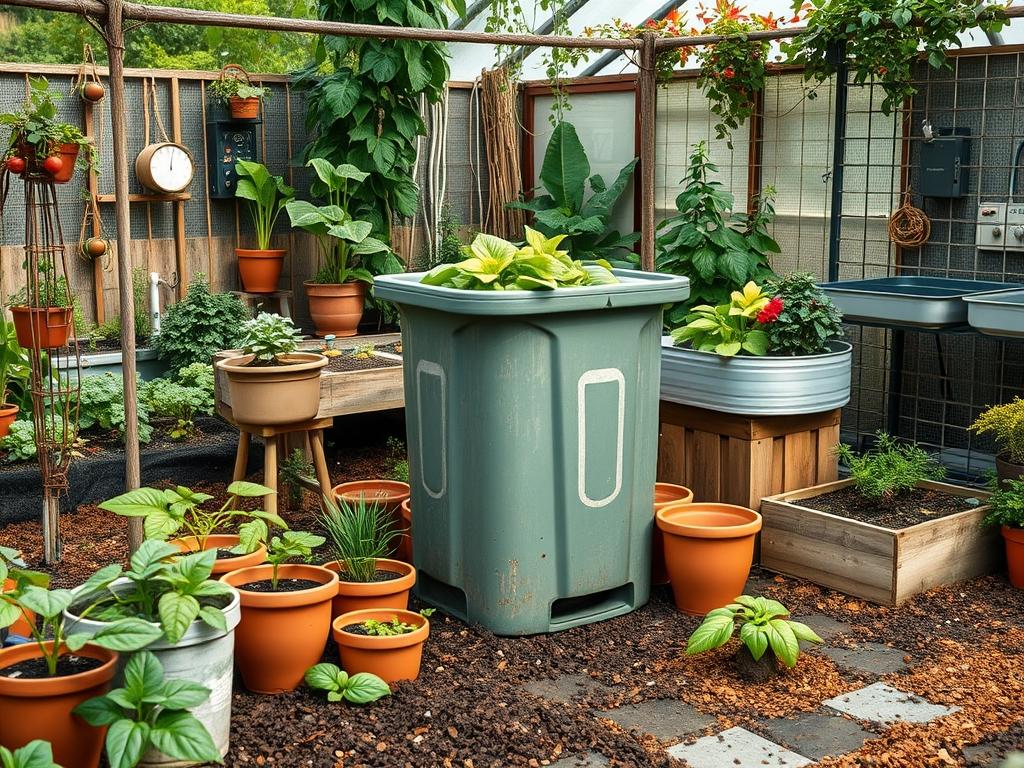
Integrating a functional composting system into a high-end residential landscape requires more than just tucking a plastic bin into a dark corner. True outdoor environment consultancy focuses on the intersection of utility and aesthetics; the goal is to create a closed-loop nutrient cycle that enhances, rather than detracts from, the property value. When evaluating various Backyard Compost Bin Styles, the primary challenge involves managing the visual weight of the utility zone while ensuring the biological process remains efficient and odor-free. Homeowners often prioritize curb appeal, yet a sustainable landscape demands on-site organic matter management. By applying professional architectural principles, we can transform these essential tools into integrated features that contribute to the garden’s overall narrative. We must consider the regional climate, as high-humidity environments require more airflow, while arid regions necessitate moisture retention. Ultimately, the successful concealment of a compost system relies on clever spatial configuration, thoughtful material selection, and a deep understanding of how site conditions like sun exposure and prevailing winds affect the decomposition process.
Landscape Design Principles
Effective landscape design is rooted in the concepts of spatial hierarchy and the management of viewsheds. When selecting Backyard Compost Bin Styles for a project, we first look at the symmetry of the surrounding garden. If the garden follows a formal English style with sharp lines and boxwood hedges, a rustic, sprawling wire bin will feel out of place. In such instances, we employ the principle of “visual buffering,” where we use architectural elements like lattice panels or slatted cedar screens to mimic the existing fencing or outbuildings. This creates a sense of intentionality.
Elevation layers are another critical factor. Placing a compost bin on a slightly elevated, well-drained pad prevents the accumulation of anaerobic leachate, which is the primary cause of unpleasant odors. We often design “utility nodes” that sit slightly lower than the main entertaining areas, obscured by a mid-height retaining wall or a staggered terrace. This uses the natural topography to hide the bin from direct sightlines without burying it in a low spot where water might pool.
Walkway planning is equally vital for functionality. A compost bin that is difficult to reach will eventually be abandoned. We design secondary paths using crushed granite or walkway pavers that lead from the kitchen exit to the bin, ensuring these paths are wide enough for a standard wheelbarrow, usually around 36 inches. This ensures the bin is accessible year-round, regardless of soil saturation. By balancing the focal points of the garden with these hidden utility zones, we maintain a professional visual flow that prioritizes the human experience of the space.
Plant and Material Selection
The following table outlines plant species and materials that are particularly effective for screening various Backyard Compost Bin Styles while benefiting from the nutrient-rich environment nearby.
| Plant or Material Type | Sun Exposure | Soil Needs | Water Demand | Growth Speed | Maintenance Level |
| :— | :— | :— | :— | :— | :— |
| Thuja occidentalis | Full Sun to Part Shade | Moist, well-drained | Moderate | Fast | Low (Pruning only) |
| Hydrangea paniculata | Part Sun | Rich, organic | High | Medium | Moderate (Deadheading) |
| Miscanthus sinensis | Full Sun | Adaptable | Low | Very Fast | Low (Cut back in Spring) |
| Taxus baccata | Full Shade to Sun | Well-drained sandy | Low | Slow | Moderate (Shearing) |
| Ilex glabra | Part Shade | Acidic, moist | Moderate | Medium | Low |
| Cedar Slats | N/A (Material) | N/A | N/A | N/A | Low (Staining) |
Material selection should transition naturally from the home’s architecture. For modern homes, we recommend powder-coated steel or composite decking boards to house the bins. For more traditional or farmhouse aesthetics, reclaimed barn wood or woven willow hurdles provide a softer, organic texture that blends into the background.
Implementation Strategy
The implementation of a composting zone begins with rigorous site analysis. First, identify the “point of origin” for green waste, typically the kitchen or the primary lawn area. The chosen Backyard Compost Bin Styles should be situated within a convenient distance but positioned downwind from primary outdoor living spaces.
Step one involves grading the area. We specify a 2 percent slope away from the home’s foundation to ensure proper drainage. Once the grade is established, we install a base of 4 inches of compacted ¾-inch crushed stone. This prevents the bin from sinking into the soil and allows for air circulation beneath the unit, which is crucial for aerobic decomposition.
Step two focuses on hardscaping the enclosure. We often use 4×4 pressure-treated posts set in concrete to support a three-sided screen. The screen should be at least 12 inches taller than the bin itself to provide complete visual coverage from various angles. If using a tumbler style, ensure the enclosure provides enough swing-room for the unit to rotate fully.
Step three involves the “softscape” integration. We plant the species identified in our selection table around the perimeter of the screen. We recommend a 3-inch layer of hardwood mulch around the base of the screening plants to suppress weeds and retain moisture. For irrigation, we run a subsurface drip line to the screening plants, ensuring they remain lush even if the compost process generates excess heat or localized dry spots. Finally, we install steel landscape edging to define the transition between the gravel utility pad and the surrounding garden beds.
Common Landscaping Failures
One of the most frequent failures in backyard composting is poor drainage. If a bin is placed in a topographic depression, it becomes a basin for rainwater. This leads to an anaerobic state, producing a sulfurous odor that can ruin the ambiance of an entire backyard. Professional designs must always prioritize a raised or well-drained substrate.
Another common mistake is root overcrowding. Designing a tight screen of bamboo or willow directly against a compost bin can lead to roots infiltrating the bin to access the nutrient-rich material. This makes turning the compost nearly impossible and can eventually damage the bin’s structure. We recommend a clearance of at least 24 inches between the screening plants and the bin itself.
Improper spacing and lack of airflow also plague many DIY installations. When homeowners build solid-walled enclosures without gaps, they stifle the microbial activity necessary for composting. We ensure all custom-built enclosures feature at least 0.5-inch gaps between horizontal slats to allow for cross-ventilation. Furthermore, failing to account for the “working room” needed to turn the pile with a pitchfork or compost aerator often results in a system that is ignored and eventually becomes a breeding ground for pests.
Seasonal Maintenance
Landscape management is a year-round commitment that shifts with the biology of the soil. In the spring, the focus is on “waking up” the system. We recommend clearing any leaf litter that has accumulated around the base of the Backyard Compost Bin Styles to ensure airflow. This is also the time to apply a fresh layer of mulch to the screening plants and check the irrigation emitters for clogs.
Summer maintenance involves moisture management. High temperatures can dry out a compost pile, stalling the process. We suggest a light spray with a garden hose once a week if the pile feels like a wrung-out sponge. From a landscaping perspective, this is when screening plants like Miscanthus reach their full height, so some light tying or staking may be needed to keep them from flopping over the access path.
Autumn brings a massive influx of “brown” carbon material. We advise our clients to shred fallen leaves using a mulching mower before adding them to the bin; this increases surface area and speeds up breakdown. It is also the time to prune any overhanging branches from the screening shrubs that might interfere with bin access.
Winter is the dormant phase. In colder climates, we suggest wrapping the bin in burlap or adding a thick layer of straw on top to retain the internal heat of decomposition. The screening plants, especially evergreens like Thuja, should be checked for snow load to prevent branch breakage. By following this seasonal rhythm, the compost station remains a clean, functional, and invisible part of the garden ecosystem.
Professional Landscaping FAQ
What is the best material for a hidden compost screen?
Cedar is the preferred choice due to its natural rot resistance and pleasant aroma. It weathers to a neutral gray that blends with most landscapes. Use stainless steel screws to prevent black streaking over time.
How do I prevent my compost bin from attracting pests?
Select Backyard Compost Bin Styles with secure lids and solid floors. Avoid adding meat or dairy. Ensure the surrounding landscape is kept clear of tall weeds, which provides cover for rodents and other unwanted visitors.
Can I hide a compost bin in a small urban yard?
Yes, use a vertical garden or a living wall to hide the bin. This utilizes vertical space while provide screening. Compact tumbler bins are often the best style for limited square footage in urban environments.
How far should the bin be from my outdoor dining area?
We recommend a minimum distance of 15 to 20 feet. This provides enough space for air dissipation while keeping the bin close enough for convenient use after meals or during quick garden cleanups.
Does composting work in the shade?
Decomposition is a biological process that generates its own heat. While direct sun can speed up the process in winter, a shaded location is actually better for preventing the pile from drying out during the hot summer months.