
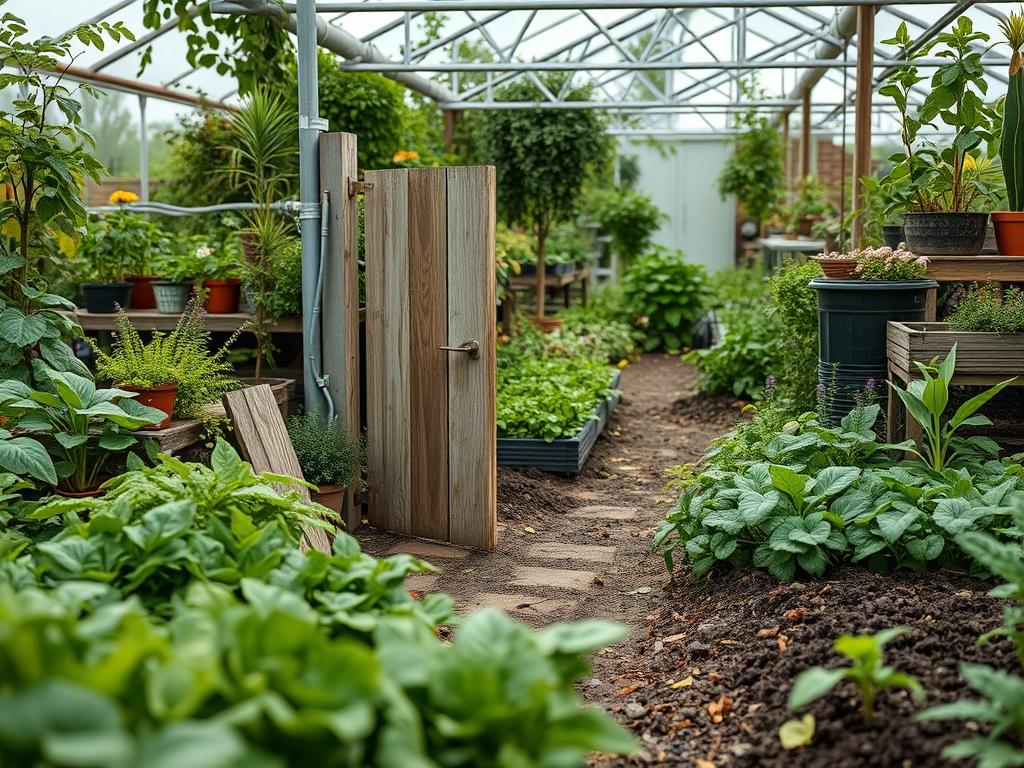
The transition from the public sidewalk to the private sanctuary of a backyard is defined by the entrance, which makes the selection of gate hardware a critical decision for any homeowner. A garden gate acts as the handshake of the property; it provides the first tactile experience for a visitor and sets the tone for the entire landscape. In modern landscape architecture, the hardware must balance the delicate requirements of site security with the clean lines of contemporary design. Modern garden gate locks are no longer just functional afterthoughts. They are integral components of the outdoor environment that must withstand fluctuating humidity, extreme temperature shifts, and the corrosive effects of salt or soil minerals. When planning a high-end landscape, we consider how the lock mechanism interacts with the surrounding materials, ensuring that the hardware complements the texture of the wood, the coldness of the steel, or the organic warmth of a stone masonry pillar.
A well-designed entryway manages the flow of movement while ensuring the safety of children and pets. This requires a synthesis of robust security features and ergonomic ease of use. If a lock is too cumbersome, it disrupts the fluid experience of moving through the garden. If it is too flimsy, it fails the primary objective of protecting the property. We look for materials like 316 Marine Grade Stainless Steel or Powder-Coated Aluminum, which provide the necessary durability to prevent oxidation. Furthermore, the modern trend toward smart home integration has introduced Electronic Deadbolts and Keyless Keypad Entry systems into the outdoor space. These allow for seamless access for maintenance crews and landscaping teams without compromising the integrity of the home’s perimeter.
Landscape Design Principles
Successful garden design relies on a clear understanding of spatial relationships and the hierarchy of visual elements. Symmetry often plays a major role at the entry point. A gate should be flanked by balanced structures, such as a pair of Retaining Walls or tall, columnar trees, to draw the eye toward the access point. This focal point is reinforced by the choice of hardware. A sleek, black Gravity Latch on a light-colored cedar gate creates a high-contrast visual anchor that guides the visitor through the space.
Elevation layers also influence how a gate lock is perceived and used. If the entryway is located at the top of a series of stone steps, the hardware must be positioned at a height that is comfortable for the user to reach while maintaining their balance. We also consider the relationship between the gate and the Walkway. A path made of Natural Flagstone or Permeable Pavers leads the visitor to the gate, where the tactile click of a high-quality lock signals the arrival into a curated environment. Irrigation planning is another hidden but vital principle. We ensure that Sprinkler Heads are not directed toward the metal hardware, as constant water exposure can lead to mineral buildup and mechanical failure, even in weather-resistant locks. By aligning the gate with the primary sightlines of the house, we create a sense of order and intentionality that defines the modern landscape.
Plant and Material Selection
The plants surrounding a garden gate should frame the entrance without obstructing the operation of the locking mechanism. We prioritize species that offer structural interest throughout the year while requiring minimal pruning near the hardware.
| Plant Type | Sun Exposure | Soil Needs | Water Demand | Growth Speed | Maintenance Level |
| :— | :— | :— | :— | :— | :— |
| Blue Star Juniper | Full Sun | Well-Drained | Low | Slow | Low |
| Boxwood ‘Green Velvet’ | Full to Part Sun | Loamy/Neutral | Medium | Moderate | Medium |
| Japanese Forest Grass | Part to Full Shade | Rich/Moist | Medium | Slow | Low |
| Lavender ‘Phenomenal’ | Full Sun | Sandy/Gritty | Very Low | Moderate | Medium |
| Emerald Green Arborvitae | Full to Part Sun | Moist/Well-Drained | Medium | Moderate | Low |
| Karl Foerster Grass | Full Sun | Any Soil Type | Low | Fast | Low |
For the gate itself, we often recommend Ipe Wood or Western Red Cedar for their natural resistance to rot. These materials pair beautifully with Black Polymer Latches or Brass Deadbolts. If the design calls for a more industrial look, a powder-coated steel gate provides the perfect substrate for a Heavy-Duty Commercial Grade Lock.
Implementation Strategy
The installation of a gate and its accompanying hardware begins with a precise site survey and grading. Proper Grading ensures that the soil falls away from the gate posts, preventing the pooling of water which could lead to wood rot or soil instability. We typically excavate a post hole to a depth of at least 36 Inches or below the frost line to prevent shifting during the winter months. A base of 6 Inches of Crushed Gravel is added to the bottom of the hole to facilitate drainage before the post is set in high-strength concrete.
Once the posts are secure and perfectly vertical, we focus on the Hardscaping surrounding the threshold. Steel Edging is often used to create a clean transition between the grass and the walkway leading to the gate. Inside the garden beds, we apply a 3-Inch Layer of Hardwood Mulch to suppress weeds and retain moisture for the foundation plantings. The lock itself is installed using a Self-Aligning Template to ensure the strike plate and the latch meet perfectly. This is crucial for modern electronic locks, which require precise alignment to engage the motor without strain. We also include a Gate Closer or a spring-loaded hinge to ensure the gate returns to a locked position automatically, enhancing the security of the perimeter.
Common Landscaping Failures
One of the most frequent errors in garden planning is poor drainage around the gate area. When water collects at the base of the entry, it causes the ground to soften, leading to post-lean. Even a slight tilt in the post will cause a Modern Deadbolt to misalign, rendering the gate un-lockable or insecure. Another failure occurs with the overcrowding of plants. While a lush look is desirable, planting a Climbing Rose or English Ivy too close to the lock mechanism can result in vines growing into the keyway or jamming the latch.
Root overcrowding is another significant issue. Planting large-canopy trees too close to the gate foundation can lead to roots lifting the walkway or pushing against the fence posts. This ruins the symmetry of the entrance and forces expensive repairs. We also see many homeowners neglect soil compaction during the construction phase. If the soil around the gate is not properly tamped down, the weight of the gate and the constant vibration of it closing will cause the ground to sink. Finally, irrigation inefficiency often leads to rust. If a Drip Irrigation System is not properly calibrated, excess moisture can seep into the gate hardware, causing internal components to seize over time.
Seasonal Maintenance
Landscape management is a year-round commitment that protects your investment. In the Spring, we focus on cleaning the hardware and inspecting the gate for any shifts caused by winter frost. This is the time to lubricate the internal mechanisms of Mechanical Locks with a dry graphite spray. In the Summer, the focus shifts to pruning. Ensure that any Ornamental Grasses or shrubs have not overgrown the entry path, as clear access to the lock is essential for safety.
As Autumn arrives, it is important to clear fallen leaves from the gate track and the base of the posts. Wet leaves can trap moisture against the wood or metal, accelerating decay. This is also the best time to check the tension on Spring Hinges to ensure the gate closes firmly as the weather cools. In the Winter, the primary goal is ice management. Use a non-corrosive de-icer on the walkway leading to the gate. Avoid using harsh salts near the Stainless Steel hardware, as chloride can eventually pit the metal. Periodically check that the gate lock remains free of ice buildup, ensuring that emergency egress is always possible.
Professional Landscaping FAQ
What is the best material for a gate lock near the coast?
For coastal environments, always specify 316 Marine Grade Stainless Steel. This material contains molybdenum, which provides superior resistance to salt-induced pitting and corrosion compared to standard steel or even 304-grade options used in inland applications.
How do I prevent my gate from sagging over time?
Ensure your posts are set at least 3 feet deep in concrete with a gravel base. Use a Cross-Brace or a tension cable system on the gate frame to transfer weight back to the heavy-duty hinges and prevent structural drooping.
Are electronic locks safe for outdoor use in rain?
Yes, provided they carry an IP65 Weather Rating or higher. These locks are designed to resist dust and low-pressure water jets, ensuring the internal electronics remain dry and functional during heavy rainstorms or snow.
How much clearance is needed between the gate and the post?
A standard gap of 1/4 inch to 1/2 inch is usually sufficient. This allows for the natural expansion and contraction of wood or metal during temperature changes while ensuring the Latch or Deadbolt can still engage the strike plate.
Can I use native plants near my garden entrance?
Absolutely. Native Plants are preferred because they are adapted to the local climate and require less irrigation. This reduces the amount of moisture near your gate hardware, extending the lifespan of the metal components and reducing maintenance needs.