
Key constraints to monitor:
1. No H1 tags or titles. Start immediately with text.
2. Absolutely no em dashes (—) or en dashes (–). Use commas, semicolons, or periods.
3. ASCII characters only (standard quotes).
4. Human rhythm in prose; avoid AI tropes.
5. Specific content sections: Intro, Design Principles (H3), Plant/Material Table, Implementation (H3), Failures (H3), Seasonal Maintenance (H3), FAQ (H3).
6. Bolding requirement for plants, tools, measurements, and materials.
7. Tone: Professional and practical with specific terminology (drainage, irrigation, elevation, etc.).
Plan:
– Intro: Discuss the intersection of utility and aesthetics. Focus on how firewood storage can be a design asset rather than a hidden chore.
– Principles: Focus on symmetry, site selection (near the hearth but away from the foundation), and material harmony. Use semicolons instead of dashes to create flow.
– Table: Create a 6-column markdown table featuring landscape-complementary plants.
– Implementation: Detailed steps from site grading to final stacking. Mention Pressure-treated lumber, Gravel, and Leveling tools.
– Failures: Discuss the dangers of ground contact and lack of airflow.
– Seasonal: A quarterly breakdown of tasks.
– FAQ: 5 short Q&As.
Drafting thoughts on word count: To reach 1,200 words, I will elaborate on site engineering, moisture management, and the textural contrast between stacked wood and architectural materials like Corten steel or Natural stone.
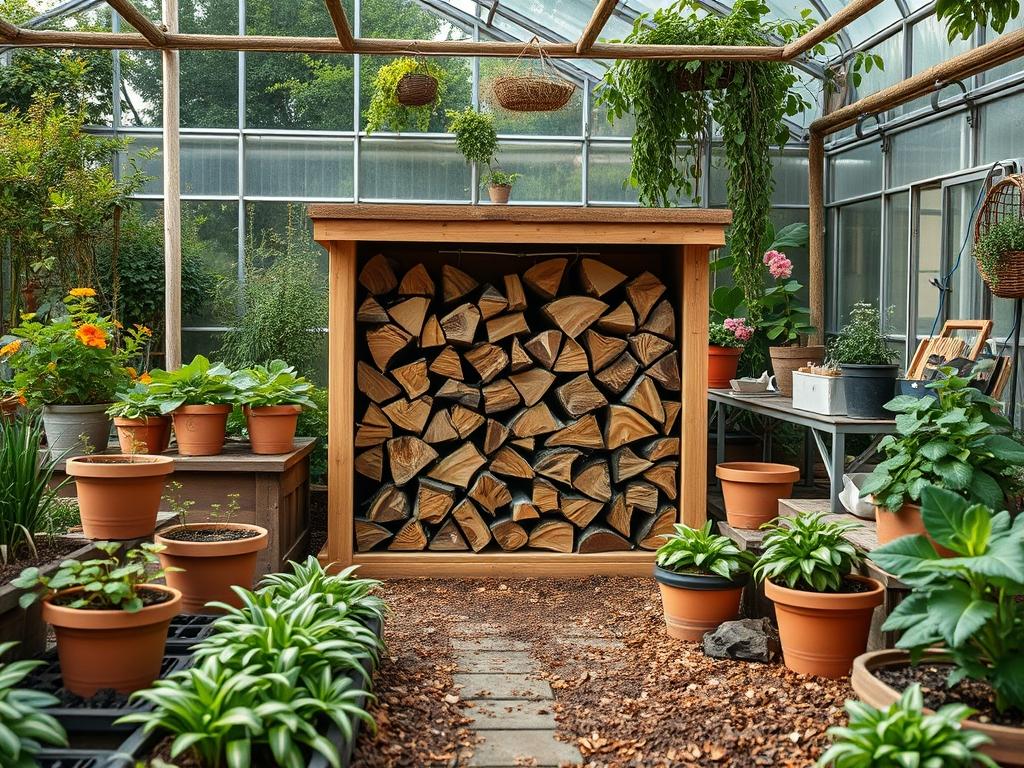
Verification: Search for “—” and “–” before final output. Ensure all bolding is applied. Use ASCII quotes. Outdoor firewood storage often exists as an afterthought in the residential landscape; it is frequently relegated to a tarp-covered heap in a dark corner of the yard. However, as an architectural element, the wood pile offers an incredible opportunity to introduce texture, warmth, and structural rhythm to a property. Integrating this functional necessity requires more than just a sturdy rack. It demands a sophisticated understanding of site drainage, microclimates, and visual weight. When planned with precision, a firewood feature becomes a focal point that enhances the curb appeal and value of the home while ensuring the fuel remains dry, accessible, and free from wood-boring insects.
In high-end landscape design, we view firewood as a building material in its own right. The organic, circular patterns of end-grain logs provide a soft, earthy contrast to the rigid lines of Steel, Concrete, and Glass. To achieve a stylish result, the storage solution must be intentional, reflecting the architectural language of the primary residence. Whether you are aiming for a rustic woodland aesthetic or a sleek, minimalist look, the placement and construction of your storage unit will dictate its longevity and its impact on the surrounding environment.
Landscape Design Principles
Symmetry and balance play pivotal roles in designing effective outdoor storage. Centering a firewood niche within a Retaining wall or flanking a fireplace with dual towers of timber creates a sense of permanence and order. If the storage is asymmetrical, it should be balanced by other landscape elements such as a large Bolder or a dense evergreen screen. Elevation is another critical factor. Raising the storage unit slightly above the surrounding grade prevents water from pooling at the base. This can be achieved through a raised Concrete plinth or a carefully leveled bed of Crushed stone.
The concept of focal points is often misunderstood. A firewood rack should not necessarily be the primary destination of the eye, but it should support the overall composition. For example, using Corten steel frames can create a modern, industrial vibe that complements a contemporary fire pit area. The orange-brown patina of the steel mimics the tones of the wood, creating a monochromatic and sophisticated palette. Walkways leading to the storage should be functional yet beautiful. Utilizing Flagstone or Permeable pavers ensures that you have a stable, mud-free path during the wet months.
Irrigation planning is frequently overlooked when situating wood storage. It is vital to ensure that Sprinkler heads are not directed toward the wood. Constant moisture from an irrigation system will lead to rot and fungal growth, rendering the wood useless for burning. Instead, the storage should be placed in a location with excellent airflow, preferably oriented to catch prevailing winds which assist in the seasoning process. By incorporating these principles, the storage becomes a seamless part of the outdoor living experience rather than a utilitarian eyesore.
Plant and Material Selection
The vegetation surrounding a wood storage area must be chosen with care. You want plants that provide structure and beauty but do not contribute to excess humidity or harbor pests that could migrate into the wood pile.
| Plant Type | Sun Exposure | Soil Needs | Water Demand | Growth Speed | Maintenance Level |
| :— | :— | :— | :— | :— | :— |
| Boxwood (Buxus) | Full Sun to Part Shade | Well-drained | Moderate | Slow | Low |
| Russian Sage | Full Sun | Sandy/Gravelly | Low | Fast | Medium |
| Switchgrass | Full Sun | Adaptable | Low to Moderate | Moderate | Low |
| Creeping Thyme | Full Sun | Well-drained | Low | Moderate | Low |
| Dwarf Alberta Spruce | Full Sun | Loamy | Moderate | Slow | Low |
| Blue Oat Grass | Full Sun | Lean/Dry | Low | Moderate | Low |
Implementation Strategy
The successful installation of an outdoor firewood storage system begins with meticulous site preparation. First, identify a location that is at least 30 feet from the home to minimize the risk of pests like termites or carpenter ants entering the structure. Once the site is selected, the transition from raw soil to a functional base is the most important phase. You must perform a rough grade of the area to ensure a 2 percent slope away from the storage unit. This prevents standing water from compromising the bottom layer of wood.
After grading, install a Geotextile fabric over the soil to prevent weed growth. This is followed by a 4-inch layer of 3/4-inch crushed gravel or Pea stone. This base provides excellent drainage and a stable surface for the weight of the wood. For the storage structure itself, materials like Western Red Cedar or Pressure-treated 4×4 posts are preferred for their natural resistance to decay. If you are building a custom shed or rack, ensure the roof has a significant overhang, at least 6 inches on all sides, to shed rain and snow.
When assembling the framework, use Stainless steel screws to prevent rust streaks from marring the wood. If the design includes a backing, use Galvanized hardware cloth or Lattice to allow for maximum ventilation. The stacking process itself is a skill. The bottom row should be elevated at least 6 inches off the ground using Concrete blocks or a built-in shelf. Stack the logs loosely to allow air to circulate through the interior of the pile. A well-stacked pile is not only more efficient for drying but also adds a rhythmic, sculptural quality to the landscape.
Common Landscaping Failures
The most frequent mistake in firewood storage is direct ground contact. When wood sits on soil, it acts as a wick, drawing up moisture and attracting subterranean termites. This leads to a soggy, punky mess that is impossible to burn. Another common failure is placing wood too close to the side of a house or garage. This restricts airflow and creates a damp environment that can lead to rot on the siding of the building. We recommend a minimum gap of 2 inches between the wood rack and any vertical wall to facilitate a chimney effect for air movement.
Root overcrowding and soil compaction are also risks when building large storage units near existing trees. The sheer weight of several cords of wood can compress the soil, suffocating the roots of a Mature Oak or Maple tree. Furthermore, if the storage unit is too tall and narrow without proper anchoring, it becomes a significant safety hazard. Always ensure that any rack over 4 feet in height is secured to a wall or deep-set Concrete footings. Lastly, many homeowners fail to account for the weight of the wood when choosing the flooring of the storage area. Soft Mulch or thin Plastic sheeting will quickly fail under the pressure of a full cord of hardwood.
Seasonal Maintenance
Landscape management is a year-round commitment, and the firewood area is no exception. During the Spring, inspect the structural integrity of the racks and the base. Look for any shifting in the Gravel or signs of wood decay. This is also the time to clear away any debris, such as fallen leaves or bird nests, that may have accumulated over the winter. If you are using a Metal frame, check for any chips in the powder coating and touch them up with Rust-resistant paint.
In the Summer, the focus shifts to seasoning. This is the peak time for air circulation. Ensure that nearby plants, like Switchgrass or Russian Sage, are pruned back so they do not touch the wood. If you use a Tarp during rainstorms, remove it during dry spells to allow the sun and wind to do their work. Autumn is the season for restocking. Clean out the bottom of the rack before bringing in new wood. This prevents old, decaying bark from contaminating the fresh supply. Finally, in the Winter, keep the path to the wood storage clear of snow using a Plastic shovel to avoid scratching any nearby Pavers. Ensure that clear access is maintained so that bringing wood into the house does not become a treacherous task.
Professional Landscaping FAQ
How far should I keep firewood from my house?
Maintain a distance of at least 30 feet from your home. This prevents pests like termites and mice from easily moving from the wood pile into your living space. It also improves airflow around the wood for better seasoning.
What is the best base material for wood storage?
A 4-inch bed of Crushed stone or Gravel over Filter fabric is ideal. It provides the best drainage and prevents the bottom logs from touching the damp earth. Avoid using Bark mulch which holds moisture.
Can I store firewood under a deck?
It is generally discouraged. Decks often lack the necessary airflow, and the space becomes a haven for rodents and insects. If you must, ensure the area is well-ventilated and the wood is elevated on a Concrete pad.
How do I prevent my wood rack from sinking?
Excavate the soil and install a compacted Sub-base of Crushed limestone. For large structures, pouring small Concrete footings for the corners of the rack is the most reliable way to prevent shifting and sinking over time.
Which wood species are best for stylish storage?
Hardwoods like Oak, Hickory, and Hard Maple are excellent. They have clean bark textures and hold their shape well when stacked. Avoid softwoods like Pine for long-term outdoor display as they tend to shed bark and debris more quickly.