
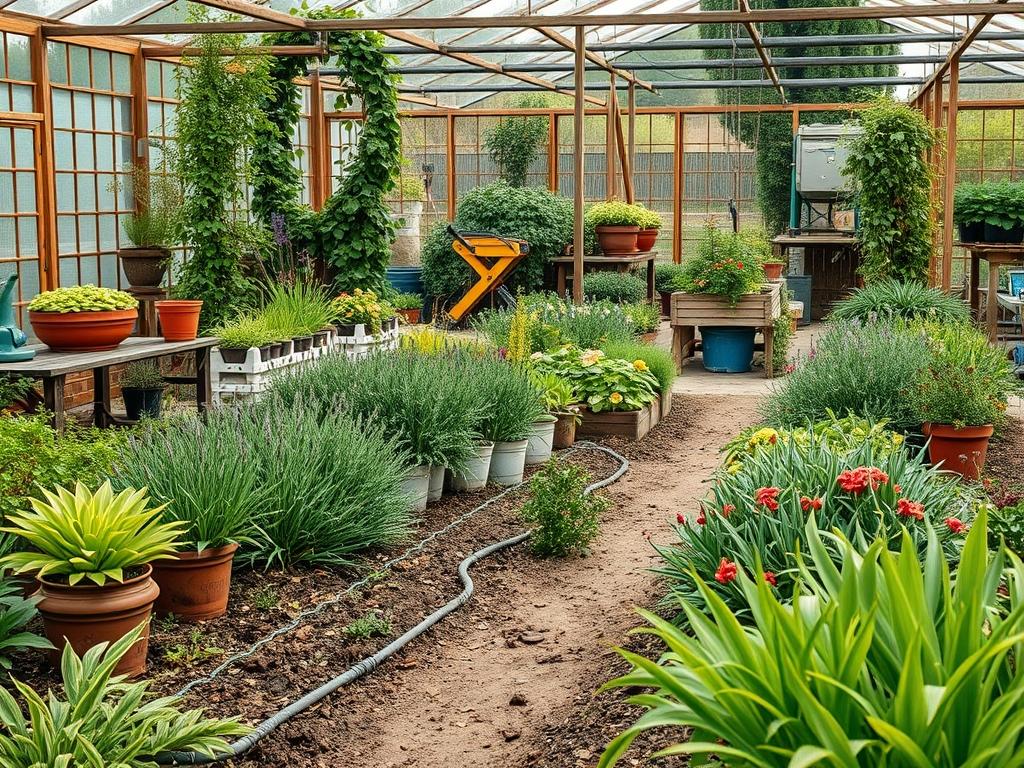
The modern landscape architect faces a dual challenge in the current climate; creating visually arresting outdoor environments while adhering to increasingly strict water conservation mandates. Designing a resilient garden requires a shift in perspective, moving away from high-maintenance turf and toward a sophisticated palette of drought-tolerant perennials. These species offer more than just survival in arid conditions. They provide structural depth, seasonal color, and a functional ecosystem that supports local pollinators. By prioritizing plants that have evolved to thrive with minimal supplemental irrigation, homeowners can enhance their curb appeal and property value without the ongoing costs of excessive water use. Professional landscaping is no longer just about decoration. It is about environmental stewardship and the intelligent application of horticultural science to create a sustainable, low-maintenance sanctuary.
Landscape Design Principles
Successful garden planning begins with a clear understanding of spatial dynamics and the architectural role of each botanical element. Symmetry and visual balance are the foundations of professional curb appeal. When working with drought-tolerant species, designers often utilize structural focal points, such as a large Agave or a meticulously pruned Desert Willow, to anchor the view and provide a sense of permanence. These specimen plants serve as the “bones” of the garden, around which softer textures are layered.
Elevation plays a critical role in the perception of depth and scale. By creating raised beds or utilizing retaining walls, a designer can introduce vertical interest and improve drainage, which is vital for plants that dislike “wet feet.” Layering follows a specific hierarchy; low-growing groundcovers occupy the foreground, mid-sized flowering perennials fill the center, and tall ornamental grasses or shrubs provide the backdrop. This tiered approach mimics natural plant communities and ensures that every specimen is visible from the primary viewing angles, whether from the street or an outdoor living area.
Functionality is integrated through the strategic placement of walkways and hardscaping. Natural stone paths or decomposed granite trails provide clean lines and define the transition between different garden “rooms.” These features also serve a practical purpose by reducing the total plantable area, thereby lowering the overall water demand of the site. When planning these paths, consider the “flow” of movement. A gently curving walkway feels more organic and inviting than a rigid, straight line, guiding the eye toward specific points of interest or seating areas.
Plant and Material Selection
The following table outlines fifteen high-performance Drought-Tolerant Perennials selected for their reliability, aesthetic value, and ease of care.
| Plant Type | Sun Exposure | Soil Needs | Water Demand | Growth Speed | Maintenance Level |
| :— | :— | :— | :— | :— | :— |
| Lavender (Lavandula) | Full Sun | Well-drained, Sandy | Very Low | Moderate | Low |
| Russian Sage (Perovskia) | Full Sun | Lean, Dry Soil | Very Low | Fast | Low |
| Coneflower (Echinacea) | Full Sun / Part Shade | Loamy, Well-drained | Low | Moderate | Low |
| Autumn Joy Sedum | Full Sun | Poor to Average | Very Low | Moderate | Minimal |
| Blanket Flower (Gaillardia) | Full Sun | Sandy, Well-drained | Low | Fast | Low |
| Yarrow (Achillea) | Full Sun | Any, Well-drained | Very Low | Fast | Low |
| Salvia (May Night) | Full Sun | Rich but Well-drained | Low | Moderate | Moderate |
| Agastache (Hyssop) | Full Sun | Very Well-drained | Low | Fast | Low |
| Red Hot Poker (Kniphofia) | Full Sun | Deep, Sandy | Low | Moderate | Low |
| Beardtongue (Penstemon) | Full Sun | Lean, Rocky | Very Low | Moderate | Moderate |
| Coreopsis (Tickseed) | Full Sun | Average, Well-drained | Low | Fast | Low |
| Black-eyed Susan | Full Sun / Part Shade | Clay to Loam | Low | Moderate | Low |
| Little Bluestem Grass | Full Sun | Any, Poor Soil | Very Low | Moderate | Minimal |
| Butterfly Weed | Full Sun | Sandy, Dry | Low | Slow to Start | Low |
| Catmint (Nepeta) | Full Sun / Part Shade | Average, Well-drained | Low | Fast | Moderate |
Implementation Strategy
Transforming a conceptual design into a physical landscape requires a systematic approach, beginning with site preparation and grading. Proper grading ensures that water flows away from the home foundation and toward designated drainage areas or rain gardens. Use a level and a landscape rake to smooth the soil surface, removing large rocks and debris that could interfere with root development.
Once the site is graded, define the edges of your planting beds using a spade or specialized edging tool. Clean, deep edges create a professional finish and prevent aggressive grasses from creeping into the perennial beds. Before any plants go into the ground, it is essential to amend the soil based on a professional soil test. While many drought-tolerant species prefer “lean” soil, incorporating a small amount of organic compost can improve the soil structure and water-holding capacity during the initial establishment phase.
When planting, space the perennials according to their mature width, which is often 18 to 24 inches apart for mid-sized species like Salvia or Coneflower. Dig a hole twice as wide as the root ball but no deeper. Once the plants are in place, install a drip irrigation system with emitters placed near the base of each plant. This localized watering method is far more efficient than overhead sprays. Finally, apply a 3-inch layer of mulch, such as shredded bark or pea gravel. Mulch acts as an insulator, keeping the roots cool and significantly reducing moisture evaporation from the soil surface.
Common Landscaping Failures
One of the most frequent mistakes in water-wise gardening is the failure to address drainage. Even the most drought-hardy plants, such as Lavender or Agastache, will succumb to root rot if they sit in standing water during the winter months. If your site has heavy clay soil, you must incorporate perlite or fine gravel to increase aeration and drainage. Soil compaction is another silent killer. Heavy foot traffic or construction equipment can crush soil pores, making it impossible for water and oxygen to reach the root zone. Aim to keep all foot traffic on designated walkways.
Improper plant grouping, often called “hydro-zoning,” leads to significant maintenance headaches. Many homeowners mistakenly mix thirsty annuals with drought-tolerant perennials. This results in either overwatering the perennials or underwatering the annuals. Group your plants according to their specific water and light requirements to ensure the entire bed remains healthy. Furthermore, overcrowding is a common aesthetic and health pitfall. It is tempting to plant items close together for an instant “full” look, but plants need air circulation to prevent fungal diseases. Always respect the spacing measurements provided by the nursery or architect.
Seasonal Maintenance
While drought-tolerant perennials are marketed as “easy care,” they are not “no care.” A professional maintenance schedule ensures the longevity of the landscape. In the Spring, remove the dead foliage of ornamental grasses and perennials using hand shears. This is also the ideal time to refresh your mulch layers and inspect the irrigation lines for leaks or clogged emitters. Applying a balanced, slow-release fertilizer at this stage can provide the nutrients needed for the summer growth spurt.
During the Summer, focus on deadheading spent blooms on plants like Coreopsis and Salvia. This process encourages a second flush of flowers and prevents the garden from looking “tired” in the heat. Monitor the soil moisture at a depth of 4 inches. If it feels bone-dry, a deep, infrequent watering is better than shallow daily misting. In the Autumn, resist the urge to cut everything back to the ground. Leaving seed heads on plants like Coneflower and Black-eyed Susan provides vital winter food for birds and adds architectural interest to the winter landscape. Finally, in Winter, protect any marginally hardy species with a thicker layer of mulch and avoid pruning until the threat of the last frost has passed.
Professional Landscaping FAQ
How long does it take for drought-tolerant plants to become established?
Most perennials require one to two full growing seasons of regular watering to establish a deep, resilient root system. Once established, they can survive primarily on natural rainfall and occasional deep watering during extreme heat.
What is the best mulch for a drought-tolerant garden?
For most perennials, organic wood chips or bark mulch is preferred. For desert species or rock gardens, pea gravel or crushed stone is better as it facilitates rapid drainage around the plant crown and prevents rot.
Do I still need an irrigation system for a xeriscape?
Yes. Even drought-tolerant gardens need supplemental water during prolonged dry spells or extreme heat waves. A drip irrigation system is the most efficient way to deliver water directly to the roots while minimizing waste.
Can I grow drought-tolerant plants in heavy clay soil?
Yes, but you must improve the drainage. Amend the soil with significant amounts of grit or organic matter, or plant in raised beds. Avoid species that require “sharp drainage” if the clay cannot be properly mitigated.
Why are my drought-tolerant plants turning yellow?
The most common cause is overwatering. Many of these species are adapted to dry conditions and are highly susceptible to root rot. Check the soil moisture levels before watering; if the soil is damp, hold off.