
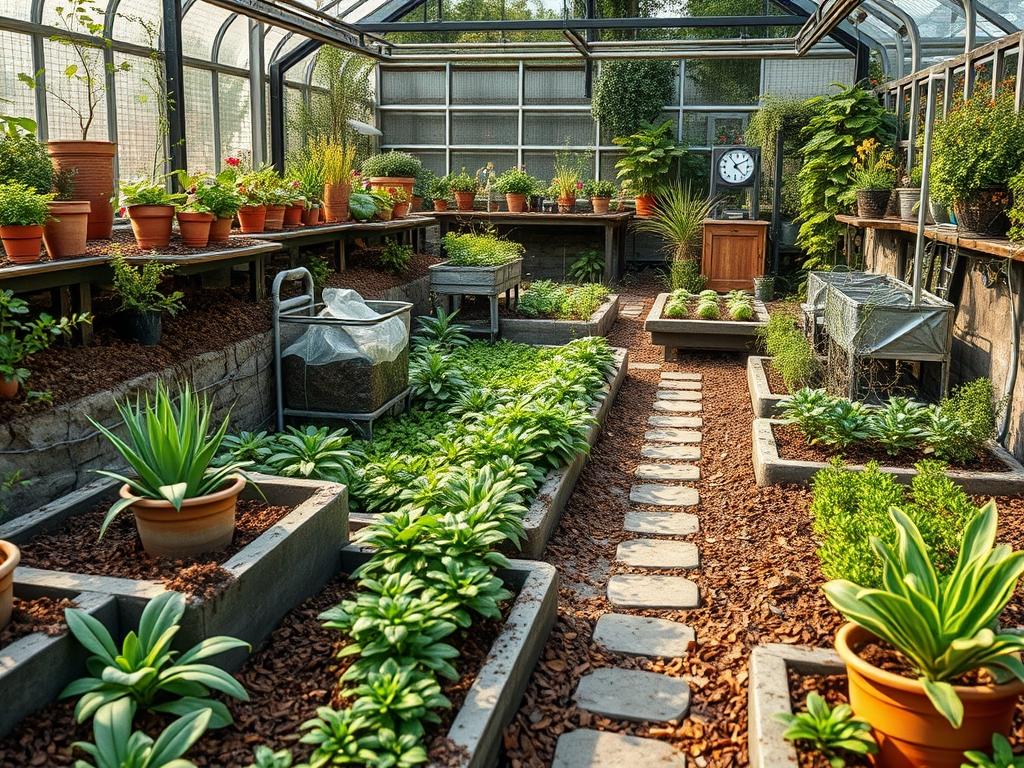
The modern residential landscape is evolving beyond the traditional monoculture of manicured turf, moving toward more sustainable and architecturally significant structures. Incorporating Modern Rockery Design into a yard addresses several contemporary challenges, including water scarcity, high maintenance costs, and the need for year-round visual interest. In many climate zones, especially those prone to drought or extreme temperature fluctuations, traditional gardens struggle to maintain vitality. A well engineered rockery provides a stable microclimate for sensitive species, utilizes thermal mass to regulate soil temperature, and significantly improves curb appeal through its structural permanence. Functionally, modern rock gardens are no longer just aesthetic choices; they are strategic environmental solutions that manage erosion on sloped terrain and facilitate efficient drainage in areas with heavy seasonal rainfall.
By shifting the focus from ephemeral seasonal color to the enduring texture of stone, a homeowner can create a functional outdoor environment that feels both grounded and sophisticated. The challenge lies in balancing the heavy, static nature of rock with the soft, fluid movements of ornamental grasses and perennials. Modern design favors clean lines, monochromatic palettes, and a meticulous selection of materials that reflect the natural geology of the surrounding region. Whether you are dealing with a steep embankment that requires stabilization or a flat urban lot that needs a dramatic focal point, the integration of stone offers a versatile toolkit for the professional landscape architect.
Landscape Design Principles
Successful modern rockeries rely on several core principles that elevate the design from a mere collection of stones to a cohesive architectural feature. The first is the concept of elevation and layering. In a flat yard, the introduction of verticality through tiered retaining walls or raised stone beds creates immediate visual depth. This is achieved by utilizing stones of varying sizes, ensuring that larger anchor boulders are partially buried, usually to about one third of their height, to mimic natural outcroppings. This “iceberg” technique prevents the rocks from appearing as if they were simply dropped onto the soil surface, providing a sense of geological age and stability.
Symmetry and focal points also play a critical role in the modern aesthetic. While traditional rockeries often aim for a chaotic, wild appearance, modern versions utilize intentional spacing and geometric alignment. A single, vertically oriented monolith can serve as a dramatic focal point, drawing the eye toward a specific area of the garden. This is often complemented by the use of negative space, where areas of uniform crushed basalt or pea gravel allow the viewer’s eye to rest between more complex plantings. Visual balance is maintained by weighing the “heaviness” of the stone against the airy texture of plants like Mexican Feather Grass or Blue Oat Grass.
Irrigation and drainage planning must be integrated into the design from the very beginning. In a modern rockery, the goal is to hide the mechanics of the system while ensuring that water reaches the root zones of plants tucked between crevices. This often involves the installation of a sub-surface drip irrigation system that runs beneath the geotextile fabric and is topped by a layer of decorative mulch or stone. Furthermore, if the rockery is built on a slope, the design must account for hydrostatic pressure. This is managed by installing perforated drainage pipes behind the stone structures to redirect excess water away from the foundation of the home or lower garden levels.
Plant and Material Selection
Selecting the right materials defines the longevity and aesthetic success of the project. For a modern look, designers often choose stones with sharp angles and consistent coloring, such as gray slate, dark basalt, or white quartz. The transition between the hardscape and the greenery should feel intentional, using a limited color palette to maintain a sleek, contemporary vibe.
| Plant Type | Sun Exposure | Soil Needs | Water Demand | Growth Speed | Maintenance Level |
| :— | :— | :— | :— | :— | :— |
| Blue Star Creeper | Full Sun to Part Shade | Moist, Well-drained | Moderate | Medium | Low |
| Dwarf Hinoki Cypress | Full Sun to Part Shade | Loamy, Acidic | Moderate | Slow | Low |
| Creeping Thyme | Full Sun | Sandy, Gritty | Low | Fast | Very Low |
| Sedum ‘Autumn Joy’ | Full Sun | Average to Poor | Very Low | Medium | Low |
| Blue Fescue | Full Sun | Well-drained, Dry | Low | Medium | Low |
| Hens and Chicks | Full Sun | Gritty, Succulent Mix | Minimal | Slow | Very Low |
| Japanese Forest Grass | Part Shade to Shade | Humus-rich | Moderate | Slow | Medium |
| Dwarf Mugo Pine | Full Sun | Adaptable/Well-drained | Low | Very Slow | Low |
For hardscaping materials, use steel garden edging to create crisp boundaries between different types of aggregate. A layer of 3-inch to 5-inch river rock can provide a beautiful contrast when placed next to larger, jagged boulders. Using a 2-inch depth of organic mulch in the planting pockets helps retain moisture, while the surrounding decorative stone mulch regulates the ground temperature.
Implementation Strategy
The implementation of a modern rockery requires a systematic approach to ensure both aesthetic beauty and structural integrity. Start by marking the site using a landscape marking spray. If the area is sloped, grading is the most critical first step. Use a plate compactor to stabilize the sub-base, especially in areas where heavy stones will be placed. For any retaining elements, dig a trench at least 6 inches deep and fill it with crushed gravel to provide a firm foundation that resists frost heave and shifting.
Once the site is prepared, lay down a high-quality non-woven geotextile fabric. This fabric is essential for weed suppression and prevents the decorative stone from sinking into the soil over time. Cut “X” shaped slits into the fabric for plant placement. When positioning your anchor boulders, use a solid steel pry bar to adjust their orientation. Ensure the “grain” or natural striations of the stones are aligned in the same direction to mimic natural geological formations.
After the primary stones are set, install your drip irrigation tubing, securing it with landscape staples. Next, place your medium-sized accent stones and then perform the planting. Once all biological elements are seated, backfill the remaining areas with a 2-inch to 3-inch layer of your chosen top-dressing, such as decomposed granite or lava rock. This top layer serves as a functional mulch that doesn’t blow away or decompose, maintaining the clean lines of the modern design for several years.
Common Landscaping Failures
The most frequent failure in rockery design is a lack of adequate drainage. When rockeries are built without considering the flow of water, they can act as dams, causing water to pool behind the stones and eventually leading to soil saturation and plant death. This is often the result of failing to install weep holes in rock walls or neglecting the use of a gravel backfill behind the stones to facilitate water movement.
Another common mistake is improper spacing and root overcrowding. Many homeowners choose plants based on their size at the nursery without researching their mature spread. Within two or three years, the plants can completely obscure the stone features that were meant to be the highlight of the design. Similarly, soil compaction during the construction phase can lead to poor plant health. Heavy equipment used to move ton-sized boulders frequently crushes the pore spaces in the soil, preventing oxygen and water from reaching the roots. To avoid this, always loosen the soil in the planting pockets with a hand tiller before adding amendments like perlite or pumice to improve aeration.
Lastly, many DIY enthusiasts underestimate the depth of the weed barrier and the importance of edging. Without professional-grade steel or aluminum edging, the transition between the rockery and the lawn will become blurred as grass and weeds encroach into the stone. Using thin, plastic barriers often leads to tears during installation, which allows resilient weeds to penetrate the stone layer, making maintenance a nightmare.
Seasonal Maintenance
Modern rockeries are prized for their low maintenance, but they are not maintenance-free. In the spring, the primary task is to clear debris that has accumulated between the stones. Use a leaf blower on a low setting or a stiff-bristled brush to remove fallen leaves and twigs, which can decompose and create a soil layer on top of the stones where weeds can germinate. This is also the time to check the irrigation emitters for clogs and to perform a light pruning on any evergreen shrubs or ornamental grasses to maintain their architectural shape.
During the summer, monitoring the soil moisture within the rock pockets is essential, as the stones can hold significant heat and dry out the soil faster than a flat garden bed. In autumn, cut back any spent perennials and ensure that all drainage paths are clear of obstructions before the rainy season begins. If you live in a climate with heavy snow, avoid using salt near the rockery, as the runoff can damage the specialized plants and potentially discolor certain types of stone like limestone. In winter, the structure of the rockery becomes the star of the yard, so ensure that any low-voltage landscape lighting is positioned to highlight the textures and shadows of the boulders during the shorter days.
Professional Landscaping FAQ
How do I choose the right size stone for my yard?
Select a variety of sizes to create a natural look. Use large anchor boulders as a base, medium accent stones for transition, and small river rocks or gravel as a top dressing to fill the gaps.
Can I build a rockery on a very steep slope?
Yes, but it requires structural engineering. You must use retaining wall stones and deep-set foundation boulders. Proper drainage pipes and geogrid reinforcement are necessary to prevent the slope from sliding during heavy rainfall events.
Will a rockery increase my home’s resale value?
Professional modern rockeries significantly boost curb appeal by providing a high-end, custom look. Their low-maintenance nature and sustainable design are highly attractive to modern buyers who prefer functional outdoor living spaces over high-maintenance traditional lawns.
How do I prevent weeds from growing in the rocks?
Install a heavy-duty non-woven geotextile fabric beneath the stones. Ensure you provide a deep layer of decorative aggregate, at least three inches, to block sunlight. Use pre-emergent herbicide in the spring for extra protection.
What is the best way to clean my landscaping stones?
For most stones, a simple spray with a high-pressure garden hose will remove dust and dirt. For algae or moss buildup on shaded rocks, a mixture of water and oxygen bleach applied with a scrub brush works effectively.