
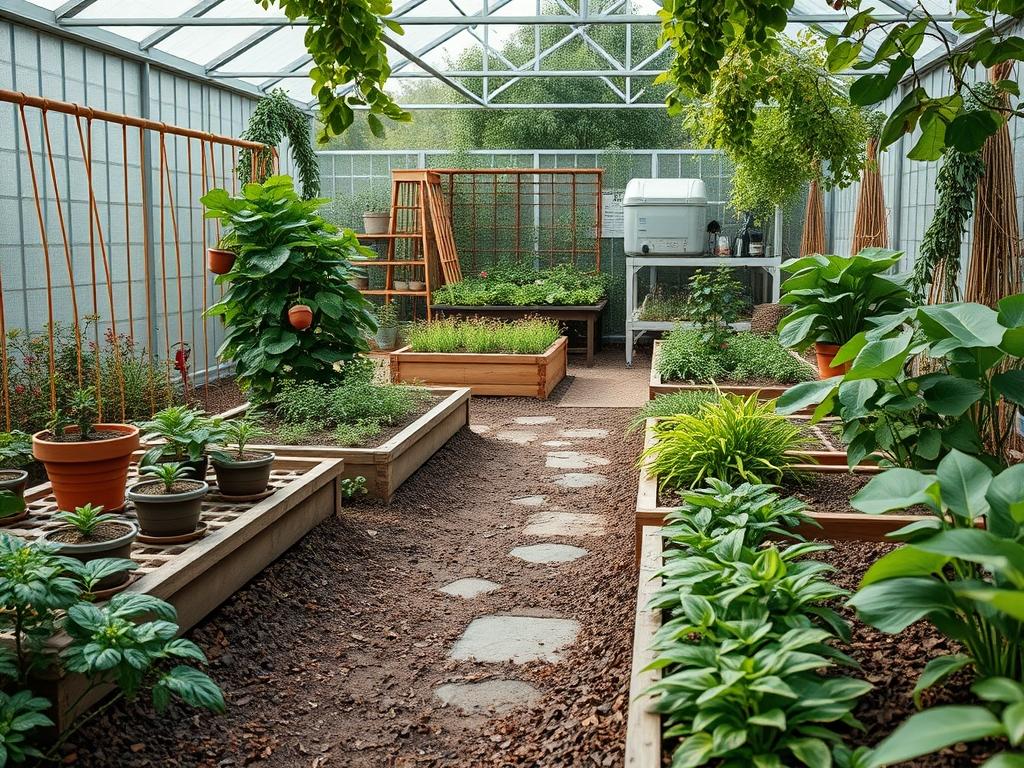
Creating a private sanctuary within an urban or suburban lot requires more than just erecting a fence. It demands a sophisticated understanding of spatial articulation, where modern garden screen ideas serve as both functional barriers and architectural focal points. As lot sizes shrink and multi-story developments rise, the challenge for the modern landscape architect is to mitigate overlooking while maintaining a sense of openness and airiness. Effective screening should not feel like a cage. Instead, it should act as a series of translucent or textured filters that manage light, wind, and views. The choice of screening material directly impacts the microclimate of the garden; for instance, a solid masonry wall reflects heat and blocks airflow, whereas a perforated metal screen or a staggered timber trellis allows for cooling breezes and dappled sunlight. Integrating these elements requires a strategic approach to curb appeal and outdoor functionality, ensuring that the transition from the interior of the home to the exterior environment is seamless and aesthetically consistent.
Landscape Design Principles
Successful garden screening is built upon the foundation of visual balance and the strategic use of elevation layers. When planning a screen, symmetry can be used to create a formal, disciplined atmosphere, but asymmetrical arrangements often feel more organic and less imposing in smaller residential spaces. We often look at the garden in three distinct planes: the overhead plane for shade, the vertical plane for privacy, and the ground plane for circulation. Modern screens should bridge these layers. For example, a tall slat screen made of Western Red Cedar can be paired with a mid-height hedge and low-lying groundcover to create a staggered, softening effect that prevents the screen from feeling like a monolithic wall.
Focal points are equally critical. A screen should not just hide a Neighboring property; it should provide something beautiful to look at. This is where the concept of “borrowed scenery” comes into play, where the screen frames a specific view of a distant tree canopy while obscuring an unsightly utility pole. Irrigation planning must also be integrated into the design phase. If your privacy solution involves living elements, such as a green wall or high-density planting, the PVC piping and drip emitters must be hidden behind or within the screen structure to maintain clean lines. Furthermore, walkway placement should dictate screen positioning. A screen placed too close to a path can feel oppressive, so we generally recommend a setback of at least 24 inches to allow for “elbow room” and the natural growth of tuck-in plants.
The use of shadow is a frequently overlooked principle. Laser-cut Corten steel panels, which develop a rich rust-colored patina over time, can be used to project intricate geometric patterns onto light-colored pavers as the sun moves. This adds a temporal dimension to the garden, where the privacy element changes character throughout the day. By varying the height of screens, you create a dynamic horizon line that draws the eye through the space, making a small garden feel significantly larger.
Plant and Material Selection
The materials selected for garden screening must be chosen for their durability, maintenance requirements, and their ability to withstand local climatic stressors. Below is a selection of top-performing plants and hardscape materials used in contemporary landscape projects.
| Plant or Material Type | Sun Exposure | Soil Needs | Water Demand | Growth Speed | Maintenance Level |
| :— | :— | :— | :— | :— | :— |
| Fargesia Robusta (Bamboo) | Part Shade/Sun | Rich, Loamy | Moderate | Fast | Low (Non-invasive) |
| Thuja ‘Smaragd’ (Arborvitae) | Full Sun | Well-Drained | Moderate | Medium | Low |
| Corten Steel Panels | N/A | N/A | None | N/A | Very Low |
| Ipe Hardwood Slats | N/A | N/A | None | N/A | Medium (Oiling) |
| Miscanthus Giganteus | Full Sun | Adaptable | Low | Very Fast | Low (Cut back in winter) |
| Taxus Baccata (Yew) | Full/Deep Shade | Well-Drained | Low | Slow | Medium (Requires pruning) |
| Composite Slatting | N/A | N/A | None | N/A | Very Low |
Implementation Strategy
Implementing a modern screen requires precision in both the grading and the structural installation. The process begins with a thorough site survey to identify utility lines and existing drainage patterns. If the screen is a hardscape element, such as a freestanding metal frame, the footings must be set below the frost line, typically 24 to 36 inches deep, using high-strength concrete. Ensuring the posts are perfectly plumb using a laser level is non-negotiable for a professional finish.
For living screens, soil preparation is the most important step. We recommend excavating a trench at least twice as wide as the root balls and amending the soil with high-quality organic matter to a depth of 18 inches. Proper grading is essential to ensure that water moves away from the base of the screen and toward a designated French drain or rain garden. Once the plants or structures are in place, the application of mulch is critical. A 4-inch layer of hardwood mulch or pine bark helps retain moisture and suppress weeds, while providing a clean visual finish at the screen’s base. Edging is another vital component; using 14-gauge steel edging creates a sharp, permanent line between the screening area and the lawn or walkway, preventing the migration of roots or mulch into high-traffic zones.
Common Landscaping Failures
One of the most frequent mistakes in garden screening is root overcrowding. Homeowners often plant Leyland Cypress or Privet too close together in an attempt to get instant privacy, only to find that the plants compete for nutrients and water, leading to “die-back” within three to five years. Proper spacing, based on the mature width of the plant, is essential for long-term health. Similarly, failing to account for drainage can lead to disaster. If a solid screen acts as a dam for surface runoff, it will cause soil saturation, which can rot the roots of nearby plants or cause the foundations of the screen itself to shift.
Soil compaction is another silent killer of landscape projects. During the construction of a house or a major garden renovation, heavy machinery compresses the soil, destroying the pore spaces required for oxygen and water infiltration. Planting into compacted soil without mechanical aeration or deep tilling ensures that even the hardiest species will struggle. Finally, irrigation inefficiencies are common. Many DIY projects rely on overhead sprinklers that waste water and promote fungal growth on screen foliage. A dedicated drip irrigation system with pressure-compensating emitters ensures water is delivered directly to the root zone, maximizing efficiency and plant vitality.
Seasonal Maintenance
Maintenance requirements change with the seasons and are necessary to preserve the architectural integrity of your screens. In the spring, the focus should be on “dead-heading” any spent blooms and applying a slow-release granular fertilizer to living screens to support the coming growth spurt. This is also the time to inspect wooden screens for any signs of winter damage, such as warping or loose stainless steel fasteners.
During the summer, the primary goal is moisture management. Checking the irrigation controller settings ensures that the system is compensating for increased evaporation rates. Autumn is the time for structural pruning. For deciduous screens or ornamental grasses like Miscanthus, wait until the late winter or extremely early spring to cut them back to the ground; this allows the dried foliage to provide visual interest and bird habitat during the colder months. Winter is the ideal season for maintaining hardscape elements. Use a mild detergent and a soft-bristle brush to clean metal or composite panels, removing any salt residue or organic debris that could lead to staining.
Professional Landscaping FAQ
How far apart should I space privacy plants?
Spacing depends on the species. For Thuja ‘Smaragd’, space them 30 to 36 inches on center. For clumping bamboo, 4 feet is standard. Always calculate based on the plant’s mature width to prevent nutrient competition and poor airflow.
What is the best material for a low-maintenance screen?
Powder-coated aluminum or composite wood slats are the best options. These materials do not rot, rust, or require seasonal staining. They provide a clean, modern aesthetic that remains stable regardless of humidity or temperature fluctuations.
Does a privacy screen require a building permit?
Regulations vary by municipality, but most allow screens up to 6 feet high without a permit. If the screen is part of a structural retaining wall or exceeds specific height limits, you must consult local building codes before installation.
How do I prevent wooden screens from warping?
Use kiln-dried lumber like Cedar or Ipe and ensure all sides are sealed before installation. Use stainless steel screws to prevent rust streaks and allow for natural expansion and contraction by leaving a small gap between slats.
Can I install a screen over an existing concrete patio?
Yes, but you must use heavy-duty surface mounts or steel base plates secured with wedge anchors. Ensure the concrete is at least 4 inches thick to support the wind load exerted on the screen.