
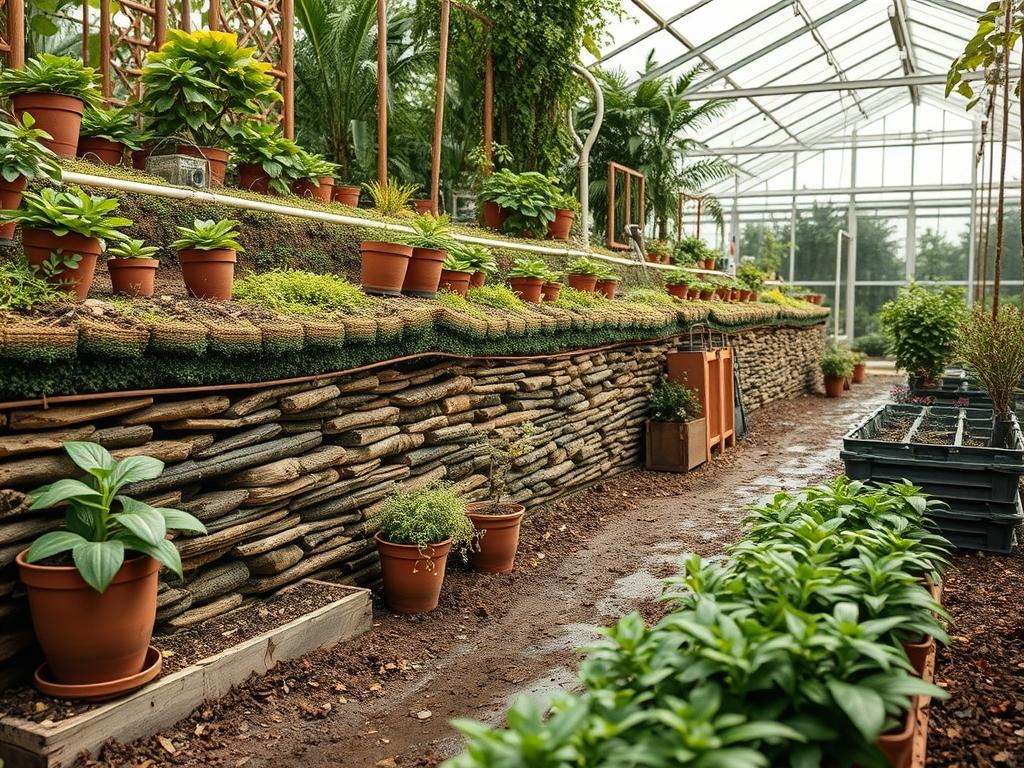
The transition from purely functional civil engineering to high-end residential landscape design has brought about a resurgence in the use of modular structural elements. Among these, Modern Gabion Walls have emerged as a premier choice for architects seeking to blend industrial durability with organic aesthetics. In an era where climate volatility necessitates superior drainage and soil stabilization, the traditional retaining wall often falls short. Static concrete or timber structures frequently trap moisture; this leads to hydrostatic pressure buildup and eventual structural failure. In contrast, a gabion system serves as a breathing, permeable membrane within the garden. This architectural approach not only mitigates runoff but also provides a stark, textural contrast to the soft greens of a well-manicured lawn. When a homeowner or developer considers the long-term curb appeal of a property, the choice of materials must reflect both the local geology and the clean lines of contemporary design. These rock-filled wire baskets represent a marriage of gravity and geometry, offering a solution that is as much a sculptural statement as it is a soil-retention tool.
Landscape Design Principles
Successful integration of Modern Gabion Walls begins with a deep understanding of visual balance and site topography. Symmetry can be achieved by flanking a main entryway with matching low-profile gabion planters filled with uniform black basalt or white quartz. Such focal points guide the eye and create a sense of arrival. However, landscape design is rarely about flat surfaces. Elevation layering is where these structures truly excel. By terracing a sloped backyard with varying heights of gabion baskets, a designer can transform a difficult, unusable hillside into a series of functional outdoor “rooms.” Each level provides a new opportunity for planting or seating.
Walkways and circulation paths should interact with these walls rather than simply running parallel to them. A gabion wall can serve as the structural backbone for a floating timber bench or as a backdrop for a water feature where the sound of moisture trickling through river rock adds a sensory dimension to the space. Irrigation planning must be integrated early in the design phase. Even though gabions are permeable, the plants situated in the pockets or behind the wall require consistent hydration. Routing polyethylene drip tubing through the center of the cages allows for a hidden, efficient irrigation system that delivers water directly to the root zones without compromising the clean exterior of the mesh. Visual balance is maintained by contrasting the heavy, rugged appearance of the stone with light, airy perennials or structured evergreen hedges.
Plant and Material Selection
| Plant Type | Sun Exposure | Soil Needs | Water Demand | Growth Speed | Maintenance Level |
| :— | :— | :— | :— | :— | :— |
| English Lavender | Full Sun | Well-drained, Sandy | Low | Moderate | Low |
| Blue Oat Grass | Full Sun | Dry, Loamy | Low | Moderate | Low |
| Star Jasmine | Full Sun/Part Shade | Moist, Well-drained | Moderate | Fast | Medium |
| Dwarf Boxwood | Part Sun | Rich, Loamy | Moderate | Slow | High |
| Stonecrop Sedum | Full Sun | Gritty, Poor soil | Very Low | Fast | Low |
| Japanese Forest Grass | Shade/Part Shade | Moist, Humus-rich | Medium | Slow | Low |
Implementation Strategy
The process of installing Modern Gabion Walls requires meticulous preparation to ensure longevity and safety. The first step involves a comprehensive site survey to determine the grading requirements. Once the layout is marked with string lines and marking paint, the excavation begins. For walls under 3 feet in height, a compacted 6-inch crushed stone base is generally sufficient to prevent settling. However, for taller structures, a professional engineer should be consulted to evaluate the load-bearing capacity of the soil.
After the base is leveled using a plate compactor, the galvanized steel mesh baskets are assembled on-site. It is critical to use stainless steel fasteners or helical binders to secure the corners. Before filling the baskets, a non-woven geotextile fabric must be placed against the soil-facing side of the wall. This fabric allows water to pass through while preventing fine soil particles from clogging the gaps between the stones.
The filling process is where the aesthetic value is finalized. While bulk stone can be dumped into the cages for economy, hand-stacking the outer facing layer results in a much more refined, architectural look. Use a leveling tool frequently to check the vertical alignment. To prevent the cages from bulging under the weight of the stone, internal cross-tie wires must be installed at 12-inch intervals. For the fill material, choose rocks that are larger than the mesh opening, typically a 3-to-5-inch stone size. Once filled, the lids are wired shut, and the surrounding area is finished with a 3-inch layer of hardwood mulch or decorative pea gravel to provide a clean transition to the rest of the garden.
Common Landscaping Failures
One of the most frequent mistakes in gabion construction is poor drainage logic. While the wall itself is porous, the area directly behind it must be graded to direct water toward the structure rather than allowing it to pool at the base of the foundation. Without a proper 4-inch perforated drain pipe at the base of the wall, heavy rains can saturate the soil, causing the entire unit to tilt over time.
Another failure point involves root overcrowding and improper plant spacing. Many designers forget that the stone in a gabion wall absorbs and retains heat from the sun. Planting heat-sensitive species directly against the mesh can result in scorched root systems. Furthermore, using the wrong stone size is a common pitfall. If the stones are too small, they will eventually sift through the wire mesh; if they are too large, the wall will have excessive voids that compromise its structural density.
Soil compaction is also a silent killer of landscape health. When heavy machinery is used to move stones, the surrounding soil often becomes so compacted that it loses its ability to transfer air and water. This leads to stunted growth for any plants situated near the new hardscaping. Finally, choosing cheap, non-galvanized wire will inevitably lead to rust and cage failure within a few years, especially in coastal or high-humidity environments.
Seasonal Maintenance
To keep Modern Gabion Walls and the surrounding landscape in peak condition, a seasonal management plan is essential. In the spring, the focus should be on structural integrity and soil preparation. Check the wire mesh for any signs of corrosion or broken welds caused by winter shifting. This is also the time to apply a fresh layer of mulch and top-dress the surrounding beds with organic compost.
During the summer, the primary concern is moisture management. The stones in the gabion baskets will radiate heat, which can dehydrate nearby plants quickly. Monitor the irrigation system for clogs and ensure that the drip emitters are functioning correctly. Hand-weeding is necessary to remove any opportunistic plants that may have taken root inside the crevices of the stone baskets.
As autumn arrives, debris removal becomes the priority. Leaves and organic matter can become trapped in the wire mesh; if left to decay, this can create pockets of soil that encourage unwanted weed growth and block the natural drainage of the wall. Blow out the crevices using a high-powered leaf blower. In the winter, the focus shifts to preventing frost heave. Avoid using harsh de-icing salts near the wall, as the chemical runoff can damage the galvanized coating of the mesh and alter the pH of the soil, harming the surrounding perennial plants.
Professional Landscaping FAQ
How long do modern gabion walls typically last?
When constructed with high-quality galvanized steel or PVC-coated wire, these walls can last between 40 and 60 years. Their lifespan depends heavily on the local climate and the chemical composition of the stone used for fill.
Can I use any type of rock to fill the baskets?
No; you must use hard, weather-resistant stone like granite, basalt, or limestone. Avoid soft sandstones or shales that may crumble over time, as this leads to structural settling and unsightly debris at the base of your wall.
Are gabion walls more expensive than concrete retaining walls?
Generally, gabions are more cost-effective because they require less specialized labor and no traditional concrete footings. The final price varies based on the cost of the chosen decorative stone and whether the cages are hand-stacked or bulk-filled.
Do these walls attract pests or snakes?
While the gaps between stones can provide habitat for small insects, a tightly packed, hand-stacked wall minimizes large voids. Regular maintenance and clearing of organic debris from the wire mesh will discourage larger pests from nesting within the structure.
Can I build a gabion wall on a steep slope?
Yes, they are ideal for slopes because of their flexibility and weight. However, for significant inclines, you must step the baskets back into the hill to create a battered face, ensuring the center of gravity remains stable.