
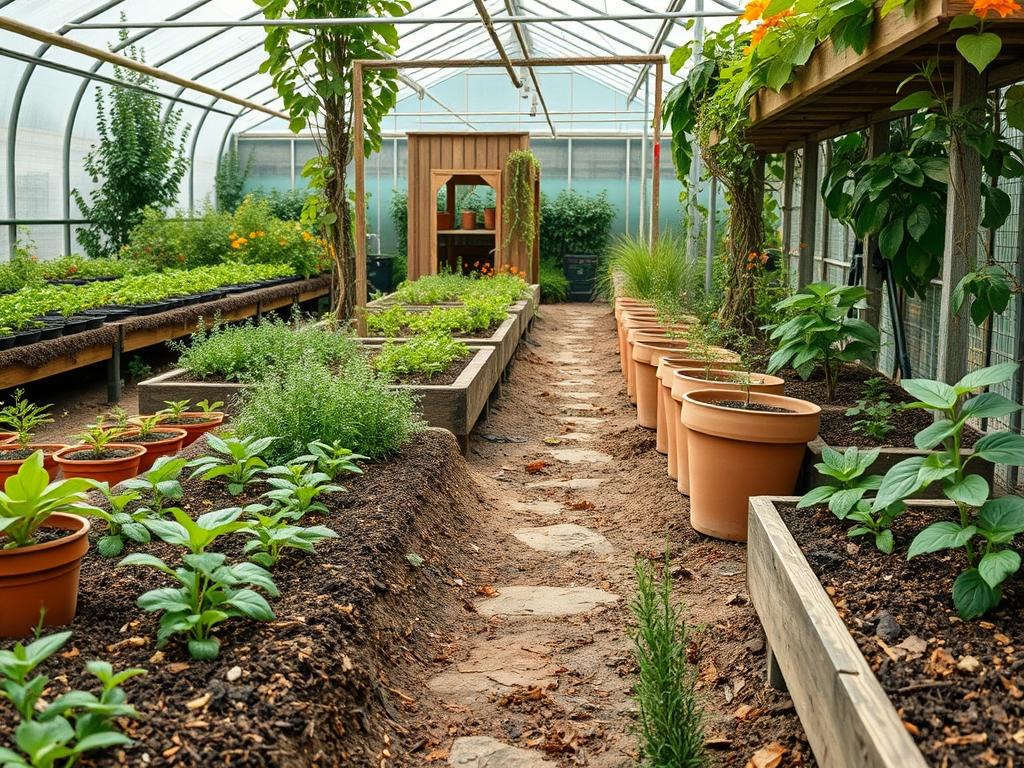
Managing large landscape beds requires a shift in perspective from reactive weeding to proactive ecological management. When we design outdoor environments at scale, the primary challenge is not the initial installation but the long term maintenance of aesthetic integrity and soil health. Sustainable weed control is a multi-dimensional strategy that integrates soil science, mechanical barriers, and biological competition. By viewing the garden bed as a closed system, we can reduce the labor demands that often lead to the abandonment of large scale residential projects. A successful landscape architect aims to maximize curb appeal while ensuring the environment remains functional for the inhabitants without requiring constant chemical intervention.
The goal is to move beyond the traditional cycle of pulling and spraying. Instead, we look at site-specific factors such as topography, wind patterns, and moisture retention. In large beds, a single weed can quickly produce thousands of seeds that move with the wind across the property. Establishing a resilient ecosystem begins with understanding that bare soil is an invitation for pioneer species, commonly known as weeds, to take root. We must replace this vulnerability with a deliberate hierarchy of vegetation and structural elements that define the space.
Landscape Design Principles
Symmetry and visual balance are the cornerstones of high end landscaping. In large beds, symmetry does not necessarily mean an exact mirror image, but rather a balance of visual weight. By placing focal points, such as a large specimen tree or a sculptural boulder, we can draw the eye and create a structure that helps organize the surrounding plant palette. These focal points also serve as anchors for weed control; the areas immediately surrounding these large features are often the most visible and require the most rigorous suppression techniques.
Elevation layers play a critical role in both aesthetics and weed suppression. A well designed bed uses horizontal and vertical layering to shade the soil surface. High canopies of ornamental trees provide filtered light, while a mid-story of flowering shrubs and a dense groundcover layer create a living mulch. This biological density prevents sunlight from reaching weed seeds, effectively neutralizing their ability to germinate. Furthermore, the inclusion of permanent walkways and stone paths prevents soil compaction in the beds. When humans or pets walk directly on the soil, they crush the delicate pore spaces, creating an environment where tough, anaerobic weeds thrive.
Irrigation planning must be integrated into the design phase rather than added as an afterthought. For large beds, drip irrigation is significantly more sustainable than overhead spray. By delivering water directly to the root zones of desired plants through 0.5-inch poly tubing, we leave the rest of the soil surface dry. This targeted hydration starves weed seeds of the moisture they need to establish, providing a massive advantage to the intended landscape. Visual balance is maintained when the irrigation components are hidden beneath a layer of organic mulch, ensuring the technology does not detract from the natural beauty of the space.
Plant and Material Selection
Selecting the right materials is the difference between a thriving garden and a maintenance nightmare. We prioritize native species and hardy cultivars that outcompete invasive varieties.
| Plant Type | Sun Exposure | Soil Needs | Water Demand | Growth Speed | Maintenance Level |
|—|—|—|—|—|—|
| Creeping Thyme | Full Sun | Well-drained | Low | Moderate | Low |
| Blue Fescue | Full Sun | Sandy/Loam | Low | Fast | Medium |
| Hostas | Shade | Moist/Rich | Medium | Moderate | Low |
| Switchgrass | Full Sun/Part | Diverse | Low | Fast | Very Low |
| Pachysandra | Shade | Acidic/Moist | Medium | Moderate | Low |
| Dwarf Boxwood| Full/Part Sun | Loamy | Medium | Slow | Medium |
| Catmint | Full Sun | Lean/Dry | Low | Fast | Low |
Beyond the plants themselves, the selection of mulch is vital. We recommend double-ground hardwood mulch or pine bark nuggets for their longevity and acidity. These materials break down slowly, enriching the soil with organic matter while forming a physical barrier against light. For a more permanent solution in high wind areas, 3-inch river rock or lava rock can be used, provided it is laid over a high quality non-woven geotextile fabric.
Implementation Strategy
The successful layout of a large backyard bed begins with proper site preparation. First, the area must be cleared of existing vegetation using a sod cutter or through solarization, which involves covering the ground with 6-mil black plastic for six weeks during the summer. Once the area is clear, grading is the next priority. The soil should slope away from the home at a rate of at least 2 percent to ensure proper drainage. Low spots in large beds are magnets for moisture-loving weeds like nutsedge and crabgrass.
Edging is perhaps the most overlooked tool in sustainable weed control. A deep 4-inch steel edge or a 6-inch trench edge creates a physical boundary that prevents turf grass from creeping into the garden bed. Without a defined edge, the lawn will eventually colonize the bed, regardless of how much mulch is used. Following the installation of edging, the planting process begins. We recommend the “stale seedbed” technique: irrigate the bare soil for a week, allow the first flush of weeds to germinate, and then kill them with a propane torch or an oscillating hoe before installing the permanent plants.
Once the plants are in the ground, mulch application is the final step of the installation. For large beds, a depth of 3 to 4 inches is the industry standard. This depth is sufficient to block light but shallow enough to allow oxygen to reach the roots of the ornamental plants. Around the base of trees and shrubs, the mulch should be tapered down to zero inches to prevent bark rot. This “doughnut” shape ensures the trunk remains dry while the surrounding root zone stays moist and weed-free.
Common Landscaping Failures
One of the most frequent mistakes in large bed management is the “bathtub effect.” This occurs when a hole is dug in heavy clay soil and backfilled with light, sandy potting mix. Rainwater fills the hole and sits there, drowning the roots of the ornamental plant while providing a perfect breeding ground for aquatic weeds. To avoid this, the entire bed should be amended with organic compost to create a uniform soil structure, rather than just amending individual holes.
Root overcrowding and improper spacing are also leading causes of failure. While it is tempting to plant closely for immediate impact, this leads to competition for nutrients and water, weakening the desired plants and making them susceptible to infestation. Conversely, spacing plants too far apart leaves large “voids” of bare soil. A professional grid system using biodegradable markers can help ensure that each plant has the 18 to 24 inches of space it needs to reach its mature width without leaving gaps for weeds.
Finally, soil compaction from heavy machinery during the construction phase can haunt a landscape for years. If a skid steer or heavy truck drives over the bed area, the soil will be compressed to the point where only the toughest weeds can survive. We recommend using a broadfork or mechanical aerator to loosen the soil to a depth of 12 inches before any planting occurs. This restores the vital air pockets that support a healthy soil microbiome.
Seasonal Maintenance
Spring is the season of prevention. As the ground thaws, apply a pre-emergent herbicide or a layer of corn gluten meal to the soil surface to prevent the germination of seeds that blew in during the winter. This is also the time to refresh the mulch layer, adding a light 1-inch top-dressing to bring the total depth back to the recommended 4 inches. Check the edges of the beds and redefine the trenches where necessary to prevent grass encroachment.
Summer management focuses on hydration and selective intervention. Monitor the drip irrigation system for leaks or clogged emitters. If weeds do appear, they should be removed before they flower. Using a scuffle hoe during the heat of the day allows the uprooted weeds to wither and die quickly under the sun. Avoid deep tilling in the summer, as this brings buried weed seeds to the surface where they can finally receive the light they need to grow.
Autumn is the time for soil building. Instead of removing all fallen leaves, consider shredding them with a mulching mower and adding them back into the beds. This natural leaf mold provides excellent insulation for the winter and feeds the earthworms that aerate the soil. It is also the ideal time to plant spring-flowering bulbs and many types of hardy shrubs, as the cooler temperatures reduce transplant shock.
Winter represents the dormant phase, but it is not without tasks. Overwintering weeds like common chickweed and henbit can grow under the snow. Inspect the beds during thaws and hand-pull any green growth. This is also the best time for structural pruning of deciduous trees and large shrubs. By maintaining the health and structure of your primary plants, you ensure they return in the spring with a vigorous canopy ready to dominate the space once again.
Professional Landscaping FAQ
How often should I refresh the mulch in my large beds?
You should inspect the depth annually. Usually, a light top-dressing of 1 to 2 inches every spring is enough to maintain the 4-inch barrier needed for effective weed suppression and moisture retention.
Are landscape fabrics recommended for sustainable weed control?
While they offer a temporary barrier, they often impede soil health and oxygen exchange over time. We prefer using a thick layer of organic mulch or cardboard sheet mulching which eventually decomposes into nutrient rich soil.
What is the best way to handle weeds in gravel paths?
For gravel areas, a propane flame weeder is highly effective. It kills the weed at the cellular level without disturbing the stones or introducing chemicals. Alternatively, a high concentration vinegar solution can work on sunny days.
Can I use groundcovers instead of mulch entirely?
Yes, this is known as a living mulch. Once established, dense groundcovers like Vinca Minor or Creeping Phlox create a biological carpet that is much more sustainable and aesthetically pleasing than wood chips or stone.
Why do weeds keep growing through my new mulch?
This usually occurs if the mulch is too thin or if the soil was heavily disturbed during planting. If you see breakthrough, use a hula hoe to slice the weeds just below the surface and add another inch of mulch.