
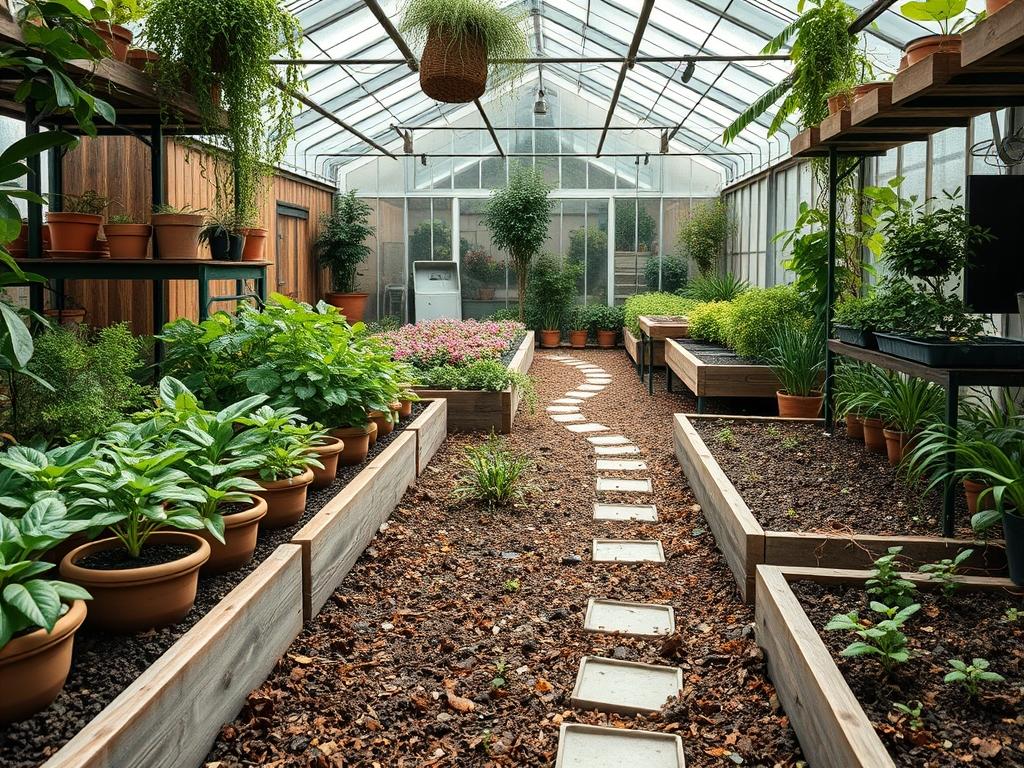
The modern backyard has transitioned from a simple patch of turf into a sophisticated extension of the primary residence. Defining distinct outdoor entertainment zones requires a blend of architectural discipline and horticultural knowledge to ensure the space remains functional throughout the changing seasons. When homeowners approach a landscape redesign, they often focus on the aesthetic appeal of specific plants without considering the internal flow of the environment. A well defined exterior plan addresses the transition from high activity areas, such as a grilling station, to quiet retreat spaces, such as a hidden stone bench or a fire pit nook. Successful zoning depends heavily on local climate constraints and the specific topography of the lot. By utilizing elevation changes and strategic hardscaping, a designer can create the illusion of separate rooms without the need for restrictive walls. This approach enhances curb appeal while maximizing the usable square footage of the property.
Landscape Design Principles
The foundation of any professional landscape plan rests on the intelligent use of symmetry and visual balance. To define your outdoor entertainment zones effectively, you must first establish clear focal points that draw the eye toward specific destinations within the yard. A pergola or a large water feature can serve as an anchor for a lounge area, while a formal dining table placed on a raised flagstone patio creates a natural gathering spot. Elevation layers are particularly effective for making a flat yard feel more dynamic. Short retaining walls built from interlocking concrete blocks or natural fieldstone can double as additional seating while physically separating a dining zone from a play area.
Walkways act as the circulatory system of the landscape, guiding guests through different environments. Use paver stones or decomposed granite to create paths that are at least 36 inches wide, allowing two people to walk side by side comfortably. Irrigation planning should be integrated at this stage to ensure that high traffic zones remain dry while adjacent garden beds receive adequate moisture. Professional designers look for ways to hide utilities like AC units or irrigation controllers behind lattice screens or dense evergreen hedges. This ensures that the visual harmony of the entertainment zones remains uninterrupted by the necessary mechanical components of the home.
Plant and Material Selection
Choosing the right components for each zone requires an understanding of how light and water interact with the site. The following table provides a selection of versatile options for various entertainment environments.
| Plant Type | Sun Exposure | Soil Needs | Water Demand | Growth Speed | Maintenance |
| :— | :— | :— | :— | :— | :— |
| Boxwood Hedge | Full to Partial | Well-Drained | Moderate | Slow | Medium |
| Lavender | Full Sun | Sandy/Rocky | Low | Moderate | Low |
| Oakleaf Hydrangea | Partial Shade | Humus Rich | High | Moderate | Medium |
| Switchgrass | Full Sun | Adaptable | Low | Fast | Very Low |
| Japanese Maple | Partial Sun | Loamy/Acidic | Moderate | Slow | Low |
| Creeping Thyme | Full Sun | Well-Drained | Low | Fast | Low |
Materials for hardscaping should complement the architectural style of the home. For a modern aesthetic, smooth cast concrete and dark basalt gravel provide a clean finish. More traditional homes benefit from the warmth of red clay bricks or tumbled travertine. Always ensure that floor materials in dining zones are slip resistant and easy to clean, as food spills are inevitable in high use areas.
Implementation Strategy
The transition from a design on paper to a physical landscape begins with proper site preparation. Grading is the most critical step, as the ground must slope away from the home at a rate of at least 2 percent to prevent basement flooding or foundation damage. Before any stone is laid, the area should be excavated to a depth that allows for a 4 to 6 inch base of compacted crushed stone followed by a 1 inch layer of bedding sand. This structural foundation prevents the shifting and heaving common in regions with freeze thaw cycles.
Edging provides the crisp lines that define a professional installation. Use heavy duty steel edging or pro-grade plastic borders to keep mulch from spilling onto walkways. When applying mulch, aim for a depth of 2 to 3 inches. This thickness is sufficient to suppress weed growth and retain soil moisture without suffocating the root systems of your plants. If the yard has significant drainage issues, consider installing a French drain consisting of perforated pipe surrounded by 3/4 inch washed gravel and wrapped in landscape fabric. This system directs excess water into a dry well or toward the street, keeping your entertainment zones dry even after heavy rainfall.
Common Landscaping Failures
Many DIY projects suffer from a lack of foresight regarding plant maturity. Root overcrowding occurs when rapid growth species are placed too close to house foundations or hardscaped paths. Over time, powerful roots can buckle brick pavers or crack poured concrete. Improper spacing also leads to poor air circulation, which invites fungal diseases like powdery mildew. Always research the mature spread of a tree or shrub before digging the hole.
Soil compaction is another frequent oversight. During construction, the use of heavy machinery can compress the earth, destroying the pore spaces necessary for oxygen and water to reach plant roots. If the soil is too tight, it must be mechanically aerated or amended with organic compost before planting. Irrigation inefficiencies also plague many yards. Placing high water plants like ferns next to drought tolerant succulents results in a situation where one species will inevitably suffer. Grouping plants by their water needs, a practice known as hydrozoning, ensures that your smart irrigation system can deliver the precise amount of water required for each section of the yard.
Seasonal Maintenance
A beautiful landscape requires a consistent management schedule to preserve the definition of your zones. In the spring, the focus should be on cleanup and preparation. This includes applying a pre-emergent herbicide to prevent weed seeds from germinating and pruning any winter damaged branches from your ornamental trees. Check the irrigation nozzles for clogs and adjust the timer for increasing temperatures.
During the summer, the primary goal is moisture management. Water your garden beds early in the morning to minimize evaporation. If you use hardwood mulch, check the depth and replenish any areas that have thinned out. Autumn is the season for renovation. This is the ideal time to aerate the lawn and overseed with tall fescue or Kentucky bluegrass. It is also the best window for planting new perennials or deciduous trees, as the cooler air and warm soil encourage strong root development before winter. When winter arrives, focus on protecting sensitive species with burlap wraps and ensuring that your outdoor plumbing and faucets are winterized to prevent burst pipes.
Professional Landscaping FAQ
How do I choose the best spot for a fire pit?
Place fire pits at least 10 feet away from any structures or low hanging trees. Ensure the surface is level and constructed from non-combustible materials like stone or gravel to prevent accidental fire spread.
What is the best way to handle backyard privacy?
Utilize “soft” walls made of tall grasses or clumping bamboo. These provide a visual barrier while allowing air to move through the space. Alternatively, a cedar fence with an integrated trellis can support climbing vines for added density.
How often should I refresh my garden mulch?
Organic mulch typically decomposes over the course of a year. You should check the depth every spring and autumn, adding a fresh layer to maintain the ideal 3 inch thickness for weed suppression and moisture retention.
Can I install a patio directly on the dirt?
No, a patio requires a stable foundation. Without a compacted gravel sub-base and a layer of leveling sand, the stones will quickly shift, sink, or tilt, creating a dangerous tripping hazard and an uneven aesthetic.
Why are my plants dying even though I water them?
This is often caused by poor drainage or soil compaction. If water cannot drain away, the roots sit in a saturated environment and eventually rot. Testing your soil for pH levels and compaction can help identify the root cause.