
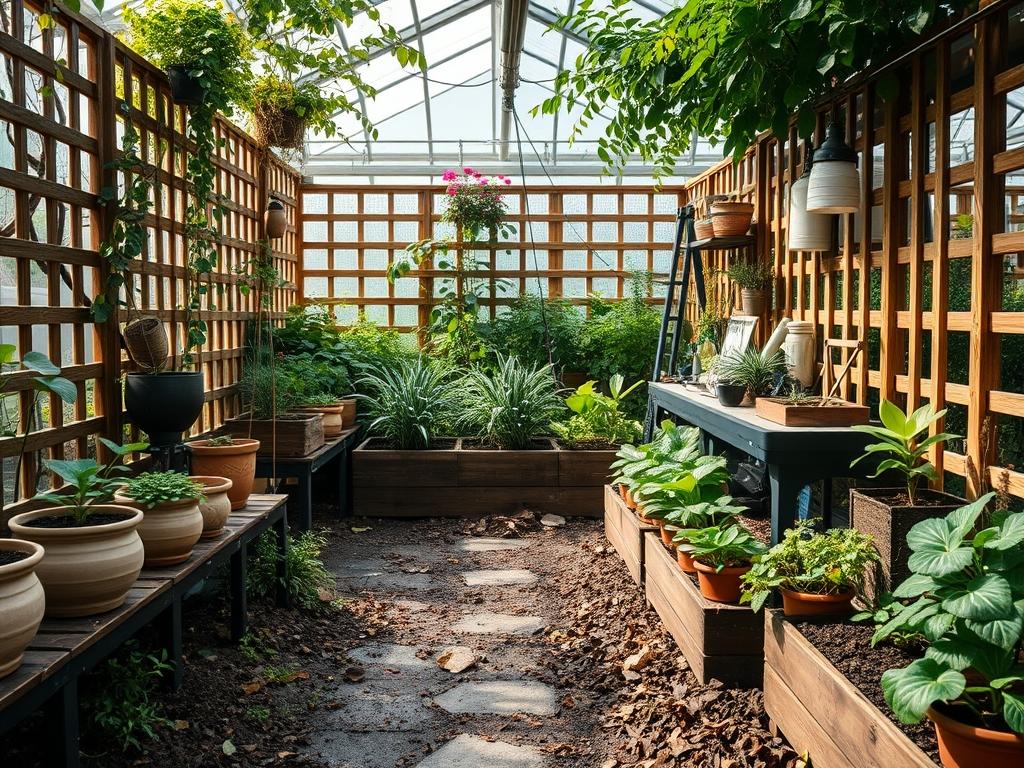
Designing a functional outdoor environment requires a delicate balance between openness and seclusion. Privacy lattice styles represent one of the most versatile tools in a landscape architect’s repertoire, providing a structural solution that defines boundaries while maintaining essential airflow and light filtration. In urban or suburban settings where properties are closely spaced, the strategic application of vertical screening can transform a standard backyard into a private sanctuary. Choosing the right pattern is not merely an aesthetic decision; it involves analyzing wind loads, local climate conditions, and the intended longevity of the material. For instance, a heavy wood lattice may provide excellent visual blockage but requires a robust foundation to resist high wind pressure during storm seasons. Furthermore, the selection of a lattice pattern influences the curb appeal of a property, setting a stylistic tone that can range from traditional English cottage to sleek, contemporary minimalism.
Landscape Design Principles
Effective landscape design relies on the harmonious integration of vertical and horizontal planes. When incorporating privacy lattice styles, one must first consider the principle of symmetry and visual balance. A towering ten foot lattice screen placed on only one side of a patio can create a lopsided, uninviting atmosphere. Instead, architects often use the lattice to frame focal points, such as a water feature or a curated specimen tree. Elevation layers are critical; the lattice should act as the highest tier, transitioning down to mid-sized shrubs and finally to ground-level perennials or hardscaping. This layering prevents the “walled-in” feeling that often accompanies solid fencing.
Walkways and circulation paths must also be considered during the planning phase. A privacy screen should guide the eye and the foot, creating a sense of discovery. If the lattice is used to divide a “living room” patio from a “utility” garden area, the transition must feel intentional. Irrigation planning is often overlooked in vertical design, yet it is paramount if the lattice will support climbing vegetation. Sub-surface polyethylene tubing should be installed at the base of the lattice before any hardscaping is finalized. This ensures that the root zones of climbing plants receive consistent moisture without wasting water on the lattice structure itself, which can lead to premature rot or staining.
Plant and Material Selection
The choice between Western Red Cedar, vinyl, powder-coated aluminum, or pressure-treated pine dictates the maintenance schedule and the structural integrity of the project. Wood offers a classic warmth but requires periodic sealing to prevent graying or warp. Vinyl and cellular PVC provide unparalleled durability in high-moisture environments, though they lack the organic texture of natural timber. For modern aesthetics, laser-cut metal panels featuring geometric patterns are increasingly popular, offering high privacy with a sophisticated architectural edge.
| Plant Type | Sun Exposure | Soil Needs | Water Demand | Growth Speed | Maintenance Level |
| :— | :— | :— | :— | :— | :— |
| Clematis armandii | Full to Partial | Well-drained, rich | Moderate | Fast | Medium |
| Star Jasmine | Full Sun | Loamy/Neutral | Low to Moderate | Moderate | Low |
| Climbing Rose | Full Sun | Fertile/Heavy | High | Moderate | High |
| Honeysuckle | Full to Partial | Adaptable | Moderate | Very Fast | Medium |
| Wisteria | Full Sun | Deep/Moist | Moderate | Aggressive | High |
| English Ivy | Shade | Adaptable | Low | Fast | Low |
Implementation Strategy
The successful installation of privacy lattice begins with thorough site preparation. Grading is the first step; the ground must be leveled or sculpted to ensure that water flows away from the lattice footings. For a standard six foot screen, posts should be set at a depth of at least 36 inches to ensure stability against lateral forces. Use an auger to dig holes, and fill the base with four inches of peagravel to facilitate drainage before pouring quick-set concrete.
Once the posts are plumb and level, the lattice panels are attached using stainless steel screws to prevent rust streaks. If you are using a wooden frame, include a cap rail along the top to shed water. Edging at the base of the lattice is essential for a professional finish; a brick soldier course or aluminum edging keeps turf grass from encroaching on the structure. Finally, apply a three inch layer of organic bark mulch or decorative stone around the base to retain soil moisture for any climbing plants and to provide a clean visual break between the vertical screen and the horizontal landscape.
Common Landscaping Failures
The most frequent error in lattice installation is the failure to account for drainage and soil contact. When wooden lattice frames touch the damp earth directly, capillary action draws moisture into the wood, leading to fungal decay and structural failure within five years. Always maintain a two inch gap between the bottom of the lattice and the ground level. Another common pitfall is root overcrowding. Many homeowners plant invasive climbers too close together, leading to a tangled mess that provides too much weight for the lattice and chokes out sunlight for the lower stems.
Improper spacing of the lattice grid itself can also be a failure point. For maximum privacy, a one inch square or diagonal opening is preferred. If the gaps are too large, the screen fails its primary purpose; if they are too small, the lack of airflow can create a “sail effect,” causing the entire fence to lean or collapse during high winds. Lastly, skipping the use of a level or string line during post-setting results in a jagged, unprofessional skyline that is immediately noticeable from the street.
Seasonal Maintenance
Landscape management is a year-round commitment that changes with the seasons. In the spring, inspect all fasteners and joints. The freeze-thaw cycles of winter can loosen screws and shift footings. This is also the time to prune any deadwood from climbing vines and apply a balanced, slow-release fertilizer to the root zones. During the summer, the focus shifts to irrigation. Inspect drip emitters for clogs and ensure that the increased foliage density isn’t preventing water from reaching the soil.
As autumn arrives, clear away fallen leaves and organic debris from the base of the lattice to prevent rot and pest nesting. If the lattice is made of wood, this is the ideal window to apply a fresh coat of UV-resistant stain or waterproofer, as the lower humidity helps the finish cure properly. In winter, heavy snow accumulation should be gently brushed off the lattice to prevent the weight from snapping the horizontal supports. For metal or vinyl systems, a simple wash with a mild detergent and a soft-bristle brush once or twice a year is usually sufficient to remove pollutants and salt spray.
Professional Landscaping FAQ
What is the most durable material for privacy lattice?
Powder-coated aluminum and high-density vinyl are the most durable options. They resist rot, rust, and insect damage far better than natural wood, making them ideal for long-term installations in humid or coastal climates.
How do I choose between diagonal and square lattice patterns?
Diagonal patterns offer a traditional, garden-centric look that hides imperfections well. Square patterns provide a modern, organized aesthetic that aligns with contemporary architecture and linear garden designs.
Can I attach lattice to an existing fence?
Yes, using vertical furring strips or 2×4 spacers is essential. This creates an air gap between the two structures, preventing moisture buildup and providing a space for climbing plants to wrap their tendrils.
What is the ideal post spacing for a lattice screen?
Standard layouts utilize six foot or eight foot centers. Shorter spans provide significantly more structural rigidity, which is necessary if you plan on growing heavy woody vines like Wisteria.
Do I need a permit for a privacy lattice?
Requirements vary by municipality. Most regions allow structures up to six feet without a permit, but anything taller or located in a front yard setback often requires local zoning approval before construction begins.