
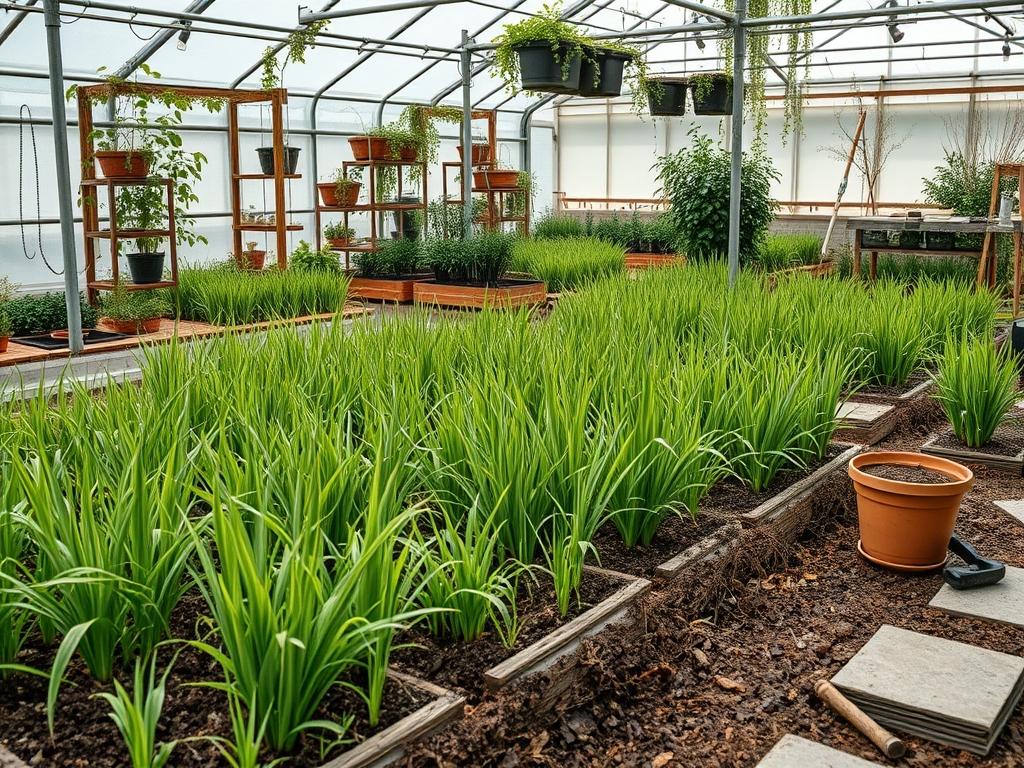
The conventional American lawn, often characterized by thirsty monocultures of non-native turf, is undergoing a necessary transformation in professional landscape architecture. For decades, the industry relied on species that required excessive hydraulic intervention and chemical additives to maintain a uniform, emerald appearance. However, shifting climate patterns and a growing emphasis on ecological stewardship have pushed native grass lawns to the forefront of high-end residential and commercial design. These species are not merely a sustainable alternative; they represent a fundamental shift in how we approach the outdoor environment. By integrating native grasses, designers can solve recurring drainage issues, reduce long-term overhead costs, and create a landscape that evolves with the local ecosystem rather than fighting against it.
A successful landscape must balance aesthetic appeal with functional durability. Traditional sod often fails in micro-climates that see extreme heat or prolonged moisture, leading to unsightly brown patches and soil erosion. Native grasses, having evolved over millennia to thrive in specific regional soil profiles, provide a structural resilience that imported species cannot match. From a consultant’s perspective, the transition to these grasses is driven by the desire for a landscape that offers year-round visual interest through varied textures and gold-hued dormant phases. This approach enhances curb appeal by providing a sophisticated, meadow-like aesthetic that feels anchored to the surrounding geography. It also satisfies the modern homeowner’s pursuit of a low-impact lifestyle without sacrificing the utility of their outdoor living space.
Landscape Design Principles
In the realm of professional architecture, the lawn serves as the foundational “negative space” that allows focal points like specimen trees or hardwired lighting features to stand out. When designing with native grasses, the principle of symmetry must be handled with nuance. Unlike the rigid uniformity of Kentucky Bluegrass, native species like Buffalo Grass or Blue Grama offer a softer, more organic texture. To maintain a sense of order, we utilize “mown edges” or steel bender board to create clean transitions between the wilder grass areas and structured walkways. This juxtaposition of the “tamed” and the “natural” creates a visual balance that signals intentionality in the design.
Elevation layers are critical when planning these spaces. We often utilize taller bunchgrasses, such as Little Bluestem, as a textural backdrop against low-lying retaining walls or stone terraces. These taller species act as architectural screeners, providing movement as they catch the wind, which adds a sensory dimension to the garden. Irrigation planning for these areas is radically different from traditional systems. Instead of high-volume spray heads, we implement subterranean drip lines or precision rotors that are only utilized during the establishment phase. Once the deep root systems of these native species reach the lower soil strata, often extending five to ten feet deep, the need for supplemental water is virtually eliminated. This change in elevation and water management ensures that the landscape remains viable even during severe municipal water restrictions.
Plant and Material Selection
Selecting the right species requires a deep understanding of the site’s unique topography and light exposure. The following table provides a breakdown of common native grasses utilized in contemporary landscape projects.
| Plant Type | Sun Exposure | Soil Needs | Water Demand | Growth Speed | Maintenance Level |
| :— | :— | :— | :— | :— | :— |
| Buffalo Grass | Full Sun | Clay/Loam | Very Low | Slow | Minimal |
| Blue Grama | Full Sun | Sandy/Rocky | Low | Moderate | Low |
| Sideoats Grama | Full/Partial | Diverse | Low | Fast | Moderate |
| Little Bluestem | Full Sun | Well-Drained | Very Low | Moderate | Annual Cutback |
| Purple Three-Awn | Full Sun | Poor/Dry | Very Low | Moderate | Minimal |
| California Fescue | Partial Shade | Loam | Moderate | Moderate | Seasonal |
Implementation Strategy
The transition to a native grass lawn begins with rigorous site preparation. The first step involves removing existing non-native vegetation, which is often accomplished using a sod cutter or an organic solarization process. We avoid tilling the soil excessively, as this can disturb the weed seed bank and destroy the existing soil structure. Grading is the next priority. We ensure a minimum 2 percent slope away from all permanent structures to facilitate proper drainage. In areas where the soil is heavily compacted, we integrate a core aeration process or top-dress with a thin layer of organic compost to jumpstart microbial activity.
Once the grade is set, we establish professional edging using materials like weathered steel or natural stone to define the lawn’s boundaries. For seeding, a drill seeder is preferred over broadcast spreading to ensure maximum seed-to-soil contact. For clients desiring an immediate effect, native sod is increasingly available for species like Buffalo Grass. Regardless of the installation method, we apply a two-inch layer of fine-textured mulch or a professional straw mat to retain moisture during the germination period. This strategy protects the investment from heavy rain events and bird foraging while the root systems anchor themselves.
Common Landscaping Failures
The most frequent mistake in native lawn implementation is treating these species like traditional turf. Over-irrigation is the primary cause of failure; native grasses are biologically programmed for drought. Excessive water leads to root rot and allows opportunistic weeds to outcompete the desired species. Furthermore, improper drainage planning can lead to water pooling in low spots, which kills the grass and creates a breeding ground for pests. Architects must ensure that the grading plan identifies and mitigates these “bowl” effects before any seed is laid.
Another common pitfall is improper spacing and overcrowding during the planting phase. While the desire for a “full” look is understandable, native bunchgrasses require adequate airflow to prevent fungal pathogens. Soil compaction is a silent killer in many residential yards. If the soil is not properly aerated before seeding, the deep-diving roots of native species will hit a literal wall, preventing them from accessing the deep-water reserves they were meant to utilize. Finally, the use of high-nitrogen fertilizers is counterproductive. These grasses thrive in nutrient-lean environments and adding synthetic fertilizers often results in “floppy” growth that lacks structural integrity.
Seasonal Maintenance
The maintenance schedule for a native grass lawn is significantly less demanding than traditional alternatives, yet it does require specific seasonal actions. In the Spring, the focus is on “awakening” the landscape. We recommend a high-mow or a light trim of dormant stalks to make way for new green shoots. This is also the ideal time to inspect the irrigation system and ensure that runoff patterns remain efficient. Hand-pulling any invasive winter weeds before they go to seed is essential during this window.
As we move into Summer, the landscape consultant’s job is to monitor. Most native grasses will go into a semi-dormant or slower growth phase during the peak heat of July and August. Resistance to the urge to over-water is paramount. In Autumn, the emphasis shifts to seed collection or allowing the grass to “go to seed” for local wildlife. The seed heads of species like Bouteloua curtipendula provide exceptional visual interest and should be left standing. During Winter, we treat the dormant grasses as a sculptural element. The tan and copper hues provide a striking contrast against white snow or grey skies. We advise against any cutting or clearing until the final frosts have passed, as the dead foliage protects the crown of the plant from freeze-thaw cycles.
Professional Landscaping FAQ
How often do I need to mow a native grass lawn?
Most native lawns only require mowing two to four times per year. You can choose to leave them at their natural height for a meadow look or maintain a four-inch height for a more traditional, residential aesthetic.
Are native grasses foot-traffic friendly for children and pets?
Species like Buffalo Grass and Blue Grama are resilient and handle moderate foot traffic well. However, for high-impact sports areas, we typically design a hybrid space using native species in the peripherals and durable turf in the center.
Will a native lawn impact my property value?
Yes, positively. Modern buyers prioritize low-maintenance and sustainable features. A professionally designed native landscape reduces future water bills and provides a unique architectural character that distinguishes the property from neighboring lots with generic, high-maintenance lawns.
Do native grasses attract unwanted pests?
Actually, native grasses promote a balanced ecosystem. They provide habitat for beneficial insects and birds that naturally manage pest populations. Because these grasses do not require constant watering, they are less likely to harbor mosquitoes compared to soggy, over-irrigated turf.
Can I install a native lawn in a heavily shaded yard?
While many native grasses prefer full sun, species like California Fescue or certain Sedges are specifically adapted for lower light conditions. We select your plant palette based on a detailed solar map of your specific property.