
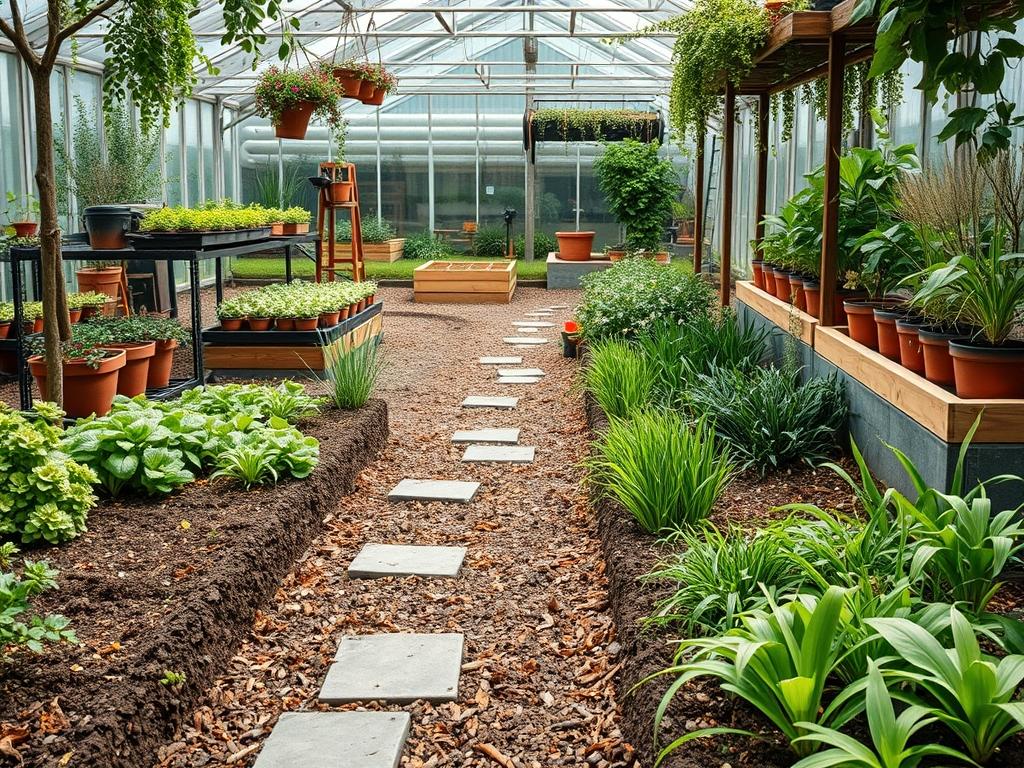
Defining the threshold between a manicured lawn and a cultivated garden bed is more than an aesthetic choice; it is a fundamental requirement for structural integrity and vegetative health. Professional landscape architects view the edge as the frame of a painting. Without a clean, intentional boundary, even the most expensive horticultural specimens appear untidy and neglected. Modern designs favor crisp lines, whether they are geometric and sharp or flowing and organic. In regions with high precipitation, a clearly defined edge prevents soil migration and protects expensive hardscape installations from encroaching turf. Conversely, in arid climates, edging serves as a vital component of water management, helping to retain concentrated moisture within specialized planting zones where irrigation lines are most active. Achieving a high-end finish requires considering how different materials interact with the local soil acidity and moisture levels.
Landscape Design Principles
Successful garden planning relies on the mastery of visual weight and transition. Symmetry is often the cornerstone of modern minimalism, where a central axis might be defined by mirrored rows of aluminum edging or poured concrete borders. However, for more contemporary residences with asymmetrical footprints, balance is achieved through the careful layering of elevations. Using retaining walls less than 18 inches in height creates subtle shifts in grade that catch the eye and allow for better drainage in low-lying areas. Focal points, such as a sculptural Japanese Maple or an architectural water feature, should be grounded by a distinct border that separates the feature’s mulch bed from the surrounding fescue or zoysia.
Walkways are another critical design element where edging plays a functional role. A paved path without a rigid border will eventually suffer from lateral movement and pebble migration. By installing a steel strip or a paver restraint system, the walkway remains locked in place during seasonal freeze-thaw cycles. Professionals also prioritize irrigation planning during the design phase. Edging components should be installed in a way that does not interfere with POP-UP SPRINKLERS or lateral PVC piping. When these elements are synchronized, the landscape functions as a singular ecosystem where the sharp lines of the edging highlight the soft textures of the surrounding foliage.
Plant and Material Selection
| Plant Type | Sun Exposure | Soil Needs | Water Demand | Growth Speed | Maintenance Level |
| :— | :— | :— | :— | :— | :— |
| Boxwood | Full Sun to Part Shade | Well-drained, Loamy | Moderate | Slow | High (Pruning) |
| Blue Fescue | Full Sun | Sandy, Well-drained | Low | Moderate | Low |
| Japanese Forest Grass | Part Shade to Full Shade | Rich, Moist, Humus | High | Slow | Medium |
| Lavender | Full Sun | Gritty, Alkaline | Low | Moderate | Medium |
| Creeping Thyme | Full Sun | Poor, Well-drained | Low | Fast | Low |
| Carex Sedge | Part Shade | Variable, Moist | Moderate | Fast | Low |
When selecting materials for modern edging, durability is the primary metric. Corten steel is a favorite among contemporary designers because it develops a stable, rust-colored patina that protects the underlying metal from further corrosion. For a more industrial or ultra-modern look, extruded aluminum offers a lightweight and rust-proof alternative. If natural textures are preferred, granite setts or cobblestone pavers laid in a tight soldier course provide a transition that feels both timeless and sophisticated. For those seeking budget-friendly versatility, high-density polyethylene (HDPE) strips offer the flexibility required for tight curves without the risk of rot common in cheap timber products.
Implementation Strategy
The successful installation of modern lawn edging begins with a precise site survey. Using a marking paint spray or a chalk line, map out the intended border to ensure curves are smooth and straightaways are perfectly linear. Once the layout is confirmed, the first physical step is trenching. A professional manual edger or a power gas edger should be used to cut a clean vertical line in the turf. The depth of the trench is determined by the material; for instance, steel edging typically requires a depth of 4 to 6 inches to ensure stability and to prevent grass roots from creeping underneath.
After the trench is excavated, grading becomes the focus. The base must be leveled with a hand tamper or a plate compactor to prevent future sinking. If you are using heavy materials like poured concrete or natural stone, a 2-inch layer of compacted crushed stone or 3/4-inch minus gravel should be applied as a sub-base. This prevents the edging from shifting during periods of excessive soil saturation. Once the edging material is set, anchors or staking pins are driven in at 3-foot intervals, or closer on curved sections. Finalize the installation by backfilling the garden side with organic mulch or decorative river rock at a depth of at least 3 inches to suppress weeds and finalize the aesthetic.
Common Landscaping Failures
The most frequent mistake in garden planning is the failure to account for drainage. When a solid border, like a poured concrete curb, is installed without weeping holes or gravel underlays, it acts as a dam. Water collects on the uphill side of the edge, leading to soil compaction and root rot in sensitive species like Azaleas. Another common error is improper spacing. This is particularly prevalent with living edges; homeowners often plant Green Velvet Boxwoods too close together, leading to air stagnation and fungal diseases as the plants mature.
Root overcrowding and “turf creep” are also significant issues. If the edging does not extend at least 3 inches below the soil surface, aggressive grass species like Bermuda grass or Kikuyu grass will simply send rhizomes underneath the barrier. Once grass enters a flower bed, removal is difficult without damaging the shallow root systems of delicate perennials. Furthermore, many DIY installations fail because they do not account for irrigation head placement. Edging that sits too high can block the spray pattern of sprinklers, leading to dry spots in the lawn and over-watered garden beds nearby.
Seasonal Maintenance
Seasonal care ensures the longevity of your landscape investment. In the spring, check for “frost heave,” which occurs when the ground freezes and thaws, pushing edging stakes out of the soil. Use a rubber mallet to reset any protruding sections of steel or composite edging. This is also the time to apply a fresh layer of hardwood mulch to maintain that crisp visual line. As summer arrives, the focus shifts to trimming. Use a string trimmer vertically against the edge to maintain the clean definition. For living edges, such as hedges, a light pruning in early summer promotes denser growth.
During the autumn, keep the edging troughs clear of leaf debris. Accumulating organic matter can break down and create a nutrient-rich bridge that allows weeds to cross the border. Finally, in winter, avoid using harsh de-icing salts near metal or concrete edging. These chemicals can accelerate the corrosion of steel or cause pitting and spalling in concrete. If you live in a region with heavy snowfall, use driveway markers to identify the location of raised edging so that snow removal equipment does not clip the borders. Consistent inspections twice a year are usually enough to keep a professional landscape looking sharp for decades.
Professional Landscaping FAQ
How deep should my lawn edging be installed?
A minimum depth of 4 to 6 inches is recommended. This prevents the root systems of aggressive turf grasses from migrating into your garden beds. Deep installation also provides structural stability during soil expansion and contraction.
What is the best material for curved garden borders?
Aluminum or 14-gauge steel are the best choices for curves. These materials offer high flexibility without snapping. They allow for smooth, organic radiuses while maintaining a thin, nearly invisible profile that highlights the plant material.
Does metal edging rust or corrode over time?
Corten steel is designed to develop a protective rust layer. Standard galvanized steel is treated to resist corrosion for decades. If you reside in a coastal area with salt spray, aluminum is the superior, rust-proof option.
Can I install lawn edging on a sloped yard?
Yes, but it requires “stepping” or tiered installation. In steep areas, edging often functions as a mini retaining wall. Ensure you use heavy-duty stakes and a solid gravel base to prevent the material from sliding downhill over time.
How do I prevent weeds from growing in the edging gap?
Maintain a 3-inch depth of mulch on the garden side and keep the grass side cleanly trimmed. For stone or brick edges, a polymeric sand joint or a landscape fabric underlay can significantly reduce weed penetration between the units.