
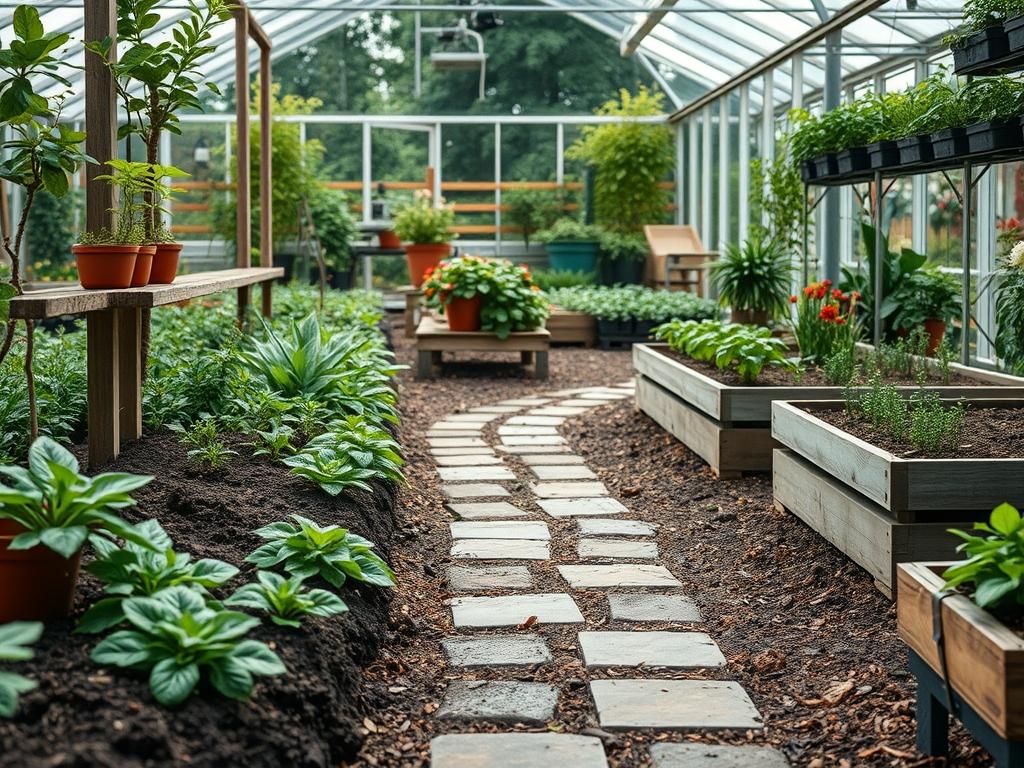
Every landscape project begins with the movement of people through space. A well-designed garden pathway is more than a simple trail through the dirt; it is a structural spine that connects distinct outdoor living zones while protecting the delicate root systems of your plantings. Choosing the right material involves a complex negotiation between your budget, the regional climate, and the desired aesthetic. In high-traffic zones near the primary entrance, durability and slip resistance are paramount to ensure safety and prevent soil compaction. Conversely, in secondary garden paths or secluded meditation areas, softer and more porous materials can offer a naturalistic feel that blends into the foliage. By integrating proper drainage solutions and site grading before laying the first stone, a landscape architect ensures that the investment adds significant curb appeal and functional longevity to the property.
Landscape Design Principles
Successful pathway integration relies on the foundational concepts of symmetry and visual balance. When planning the layout, consider whether the path should be a formal, straight line or a meandering, organic curve. Formal paths often use Large Format Pavers or Dimensional Bluestone to create a sense of order and grandeur, guiding the eye directly to a focal point such as a fountain or a sculpture. Meandering paths, often constructed from Pea Gravel or Irregular Flagstone, encourage a slower pace and allow for a sense of discovery within the garden. These paths work best when they follow the natural contours of the site elevation, avoiding steep grades that could cause runoff issues.
Elevation changes require careful planning of retaining walls and tiered planting beds to prevent erosion alongside the walkway. A path should never feel like an afterthought; it must be integrated with the irrigation planning from the earliest stages. Running PVC Sleeves under the path during construction allows for future expansion of the irrigation system without the need to tear up the finished hardscaping. Furthermore, consider the visual weight of your materials. Darker stones like Basalt provide a contemporary, grounding feel, while lighter materials like White Marble Chips or Tan Decomposed Granite can brighten a shaded woodland area. Proper lighting, spaced at specific intervals, ensures the safety of the path while highlighting these textural choices at night.
Plant and Material Selection
The following table provides a selection of plants that complement various pathway styles, considering their environmental needs and growth characteristics.
| Plant Type | Sun Exposure | Soil Needs | Water Demand | Growth Speed | Maintenance Level |
| :— | :— | :— | :— | :— | :— |
| Creeping Thyme | Full Sun | Well-drained | Low | Moderate | Low |
| Blue Star Creeper | Full to Partial | Loamy/Moist | Medium | Fast | Moderate |
| Japanese Forest Grass | Shade/Partial | Rich/Organic | Medium | Slow | Low |
| Dwarf Boxwood | Full to Partial | Neutral pH | Medium | Slow | High (Pruning) |
| Sedum Spurium | Full Sun | Poor/Sandy | Low | Moderate | Low |
| Mondo Grass | Shade to Sun | Adaptable | Medium | Slow | Very Low |
When selecting Garden Pathway Materials, the budget is often the primary driver. Decomposed Granite and Wood Mulch represent the most cost-effective options, priced roughly between $2 and $5 per square foot. These materials are permeable, allowing water to reach the soil, but they require consistent maintenance to replenish lost volume and keep weeds at bay. Mid-range options like Concrete Pavers or Brick Plating cost between $10 and $20 per square foot. These offer a more permanent surface and come in a vast array of colors and patterns. At the high end, Natural Flagstone or Exotic Hardwood Decking can exceed $30 per square foot. While expensive, these materials provide unmatched durability and a timeless aesthetic that significantly increases property value.
Implementation Strategy
The process begins with a precise layout using Survey Stakes and Landscaping String to mark the boundaries of the path. Once the layout is confirmed, excavation begins. For a standard pedestrian path, you typically need to dig to a depth of 4 to 6 inches. This depth allows for a 2-inch base of Crushed Limestone or ¾-inch Minus Gravel, which provides the stable foundation necessary to prevent shifting over time. After the base is laid, a Plate Compactor should be used to ensure the surface is level and firm.
Install Commercial Grade Landscape Fabric over the compacted base to inhibit weed growth while still allowing for drainage. Next comes the edging. Steel Edging, Aluminum Strips, or Pressure-Treated Timbers are vital for keeping the pathway material contained and preventing the surrounding grass or mulch from encroaching on the walkway. If you are laying Flagstones, place them roughly 2 inches apart and fill the gaps with Polymeric Sand or a low-growing groundcover like Creeping Thyme. For a gravel path, a 2-inch layer of the chosen aggregate is sufficient. Ensure the final height of the path is slightly above the surrounding grade to facilitate water runoff and prevent the path from becoming a stream during heavy rain.
Common Landscaping Failures
The most frequent failure in garden path construction is neglected drainage. Without a slight crown or a 1-percent to 2-percent cross-slope, water will pool in the center of the walkway, leading to ice hazards in winter and moss growth in summer. Another common error is inadequate sub-base compaction. If the ground is not properly prepared with a heavy Plate Compactor, the heavy stones or pavers will eventually sink and tilt, creating a significant tripping hazard and an unappealing, jagged appearance.
Root overcrowding is another issue that developers often overlook. Planting large trees like Silver Maples too close to a hardscaped path will inevitably lead to root heave. As the roots grow and thicken, they exert tremendous pressure, easily cracking concrete or lifting heavy Bluestone slabs. Always research the mature root spread of any nearby trees. Soil compaction is also a risk during the construction phase. Heavy machinery should not be driven over areas intended for planting beds, as this destroys the soil structure and makes it nearly impossible for plants to thrive without extensive aeration. Finally, failing to use a weed barrier or high-quality Polymeric Sand in the joints will lead to constant maintenance woes as opportunistic weeds take root in every available crevice.
Seasonal Maintenance
Seasonal care ensures your garden pathways remain safe and visually striking throughout the year. In the spring, inspect the pathway for any shifting caused by the winter freeze-thaw cycle. Use a Level to identify any pavers that have moved and reset them using a fresh layer of Bedding Sand. This is also the time to apply a pre-emergent herbicide to prevent weed seeds from germinating in the cracks.
During the summer, the focus shifts to hydration and edging. Use Power Edgers to keep the lawn from creeping over the path borders. If you have chosen a gravel path, use a Stretcher Rake to redistribute stones that have been kicked out of place. Autumn requires diligent cleaning. Leaf litter that is allowed to sit on Natural Stone or Concrete Pavers can cause permanent staining due to the tannins in the decomposing organic matter. A Leaf Blower or a stiff Push Broom should be used weekly to keep the surface clear. In the winter, avoid using harsh rock salt on your pathways, especially if they are made of concrete or limestone. Instead, use Calcium Chloride or simple Sand for traction, as traditional salt will pit and degrade the surface of the stone over time.
Professional Landscaping FAQ
What is the most durable material for a high-traffic garden path?
Natural Flagstone and Concrete Pavers are the most durable options. When set on a compacted Crushed Stone base with proper Edge Restraints, these materials can withstand decades of foot traffic and harsh weather without significant degradation or shifting.
How do I prevent weeds from growing in my gravel path?
Install a high-quality Non-Woven Landscape Fabric beneath the gravel layer. This fabric blocks light from reaching weed seeds in the soil while allowing water to pass through. Additionally, using Steel Edging helps prevent invasive grass roots from entering the path.
Should I use Permeable Pavers for my walkway?
Permeable Pavers are an excellent choice for eco-conscious designs. They allow rainwater to filter directly into the ground, reducing runoff and stress on municipal storm drains. They are particularly effective in areas with strict local codes regarding impervious surface coverage.
Can I build a path over existing tree roots?
It is generally discouraged. However, if necessary, use a “bridge” method with Raised Timber Decking or a thick layer of Wood Chips. Never cut significant roots as it compromises tree health. Avoid heavy heavy pavers that cause soil compaction and root suffocation.
How thick should the base material be for a stone path?
For standard pedestrian use, a base of 4 inches of compacted Gravel or Crushed Stone is the industry standard. This depth provides enough structural integrity to prevent the surface materials from settling unevenly while ensuring adequate drainage away from the path surface.