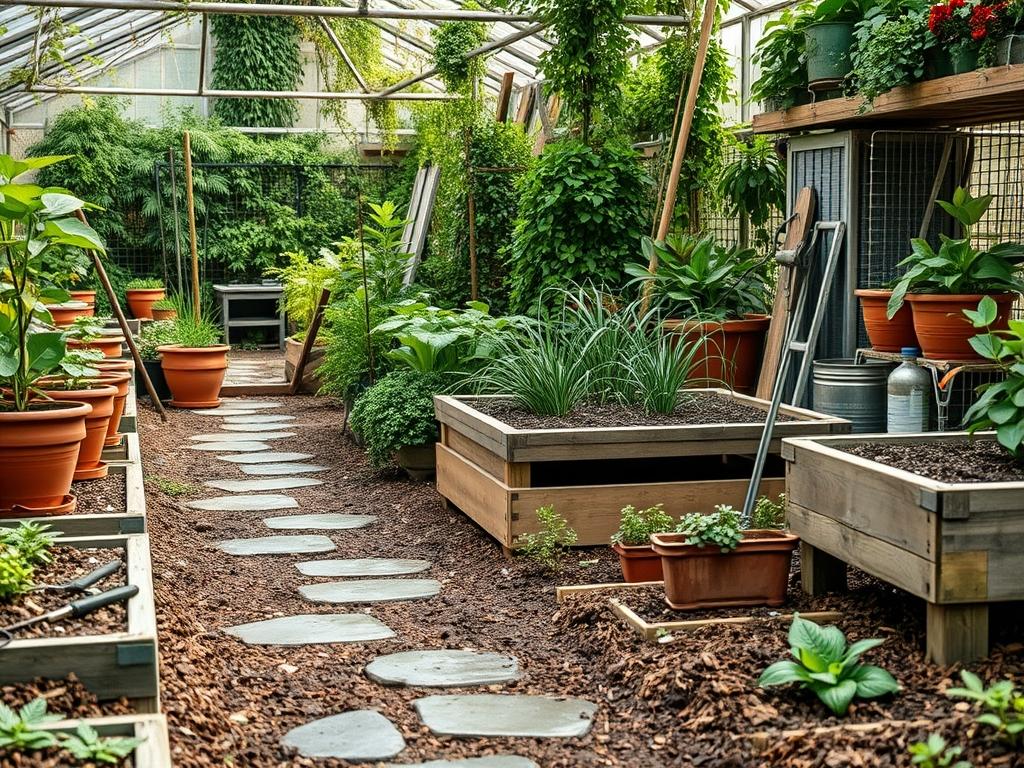
Modern residential architecture frequently prioritizes interior square footage over yard depth, which results in homeowners seeking sophisticated ways to reclaim their personal space. Privacy screen materials are no longer just about tall fences or basic hedges; they represent a strategic intersection of arboriculture and structural engineering. Achieving a private sanctuary requires a deep understanding of local microclimates, light shadows, and the long term growth habits of specific cultivars. A well executed privacy plan enhances curb appeal while simultaneously acting as a windbreak and noise buffer. It transforms a vulnerable backyard into a high function outdoor living room where residents can relax without the gaze of neighbors or passersby.
Landscape design is fundamentally about the management of sights and sounds. When we approach a blank site, we must consider how the transition from public to private spaces affects the psychological comfort of the occupants. The use of high quality materials and healthy specimens ensures that the investment retains its value as the landscape matures. Whether it is the installation of a Corten steel panel or a row of Italian Cypress, the choice of materials defines the texture and mood of the environment for years to come.
Landscape Design Principles
Effective privacy screening relies on foundational design principles that go beyond simple blockage. Symmetry and visual balance play a critical role in how a screen is perceived. A massive, monotonous wall of greenery can feel oppressive; however, by integrating focal points and varied textures, the screen becomes an aesthetic asset. We utilize elevation layers to break up the vertical plane. This involves planting low lying shrubs in front of taller screen trees, which creates a staggered effect that mimics natural forest edges. This layering also prevents the screen from looking like a flat, artificial barrier.
Symmetry is often utilized in formal gardens to create a sense of order and grandeur. In more contemporary or organic settings, we opt for asymmetrical balance, using clusters of different species to provide coverage. Irrigation planning must be integrated at the earliest design phase. Every privacy screen, whether living or hardscaped, interacts with water. For plants, a dedicated Drip irrigation system ensures consistent moisture levels without the water waste of overhead sprayers. For hardscaped screens, we must plan for runoff. If a solid wall is installed without considering the natural grade, it can act as a dam, leading to soil saturation and potential foundation issues.
Walkways and circulation paths should dictate where screens are placed. A screen should never impede the natural flow of movement through a property. Instead, it should guide the eye and the foot toward specific destinations, such as a fire pit or a pool deck. We also consider the “view from within.” A privacy screen must look as good from the kitchen window as it does from the street. By varying the height and density of materials, we can frame desirable views while obscuring unsightly ones.
Plant and Material Selection
| Material / Plant | Sun Exposure | Soil Needs | Water Demand | Growth Speed | Maintenance |
| :— | :— | :— | :— | :— | :— |
| Thuja Green Giant | Full Sun | Well-drained | Moderate | Fast | Low |
| Fargesia Bamboo | Part Shade | Rich, Moist | High | Fast | Medium |
| Taxus x media | Full/Part Sun | Loamy/Neutral | Low | Slow | Medium |
| Composite Panels | All Conditions | N/A | N/A | Instant | Low |
| Corten Steel | All Conditions | N/A | N/A | Instant | Very Low |
| Pleached Hornbeam | Full Sun | Versatile | Moderate | Medium | High |
| Star Jasmine | Full Sun/Part | Nutrient-rich | Moderate | Medium | Seasonal |
Implementation Strategy
The successful installation of privacy materials begins with a thorough site analysis and grading plan. Before any materials arrive, the soil must be prepared to handle the new structural or biological load. We begin by marking the exact boundaries with a Transit level to ensure the screen follows the topographical contours accurately. If the site has a significant slope, we may need to install Retaining walls to create a level planting bed. Proper grading ensures that water flows away from the root balls of the plants and the base of any structural posts.
For living screens, we excavate a trench that is twice as wide as the root balls to allow for lateral root expansion. We incorporate organic matter into the backfill to improve soil structure. When installing wooden or metal screens, we use a Power auger to reach a depth below the frost line, typically 36 inches in temperate climates. This prevents the screen from heaving during freeze-thaw cycles. Each post is set in Quick-set concrete with a slight taper at the top to shed water.
Once the primary structure is in place, we focus on the finishing details. For plant based screens, a 3 inch layer of hardwood mulch is applied to the base to suppress weeds and retain moisture. For hardscaped screens, we might integrate LED uplighting to enhance the nighttime ambiance and provide security. Edging materials, such as Steel bender board or Paver stones, are used to define the transition between the screen beds and the lawn, creating a clean, professional finish.
Common Landscaping Failures
The most frequent mistake in privacy screening is improper spacing. Homeowners often want instant privacy and plant Green Giant Arborvitae too close together. This leads to root overcrowding and poor air circulation, which invites fungal diseases like needle blight. Within five years, the trees begin to compete for nutrients, resulting in a thin, patchy screen. Professional planners prioritize the mature width of the species, even if it leaves gaps for the first two seasons.
Drainage inefficiencies represent another catastrophic failure. Installing a solid fence or a dense hedge without accounting for the “bathtub effect” in clay soils will drown the root systems. If the water has nowhere to go, it sits in the planting hole, suffocating the roots. Similarly, soil compaction from heavy machinery during construction can prevent water and oxygen from reaching the plants. We use Broadforks or Mechanical aerators to loosen the soil profile before planting.
Irrigation mistakes are also prevalent. Overwatering is just as deadly as underwatering. Many installers fail to adjust their systems for the changing seasons or the specific needs of different plant types. A common error is using the same zone for high water demand plants like Bamboo and low water demand plants like Yew. This lack of hydrozoning leads to a landscape that is never quite healthy.
Seasonal Maintenance
To ensure the longevity of privacy screen materials, a strict maintenance schedule must be observed. In the Spring, we focus on fertilization and structural pruning. Using a Slow release 10-10-10 fertilizer provides the necessary nitrogen for the early growth spurt. This is also the time to inspect hardscaping for any winter damage, such as loose fasteners or cracked concrete footings.
During the Summer, the primary concern is moisture management. We monitor the Drip irrigation timers and adjust for heat waves. For deciduous screens, we perform light “heading back” cuts to maintain the desired shape and density. We also watch for pests like spider mites or aphids, which thrive in hot, dry conditions.
Autumn is the season for preparation. We apply a fresh layer of Mulch to protect the roots from the coming cold. For evergreen screens, we may apply an Anti-desiccant spray to the foliage. This waxy coating reduces moisture loss through the needles when the ground is frozen and the wind is high. We also blow out the irrigation lines to prevent subterranean pipe bursts.
In Winter, maintenance is largely passive. We avoid using de-icing salts near the base of living screens, as the sodium can be toxic to the soil. If a heavy snowstorm occurs, we gently brush heavy accumulations off the branches of upright evergreens to prevent limb breakage. For metal and composite screens, we simply inspect for integrity after major wind events.
Professional Landscaping FAQ
What is the fastest growing plant for a 10 foot privacy screen?
Thuja Green Giant is the industry standard for rapid growth, often adding 3 feet of height annually under optimal conditions. It remains evergreen, providing year round density and sound dampening in most climates.
Do I need a permit for a 7 foot tall privacy screen?
Most municipalities allow fences up to 6 feet without a permit. Anything taller, or any permanent structural wall, typically requires a permit and a site plan review to ensure it does not infringe on property setbacks or utility easements.
Which material lasts the longest for a non-living screen?
Corten steel and high grade Aluminum panels are the most durable options. They resist rot, insects, and extreme weather. Unlike wood, these materials do not require regular staining or sealing to maintain their structural integrity.
How do I prevent my privacy hedge from getting thin at the bottom?
Ensure the hedge is pruned in a slight trapezoid shape, with the top narrower than the base. This allows sunlight to reach the lower branches, preventing the shaded needles or leaves from dying off and creating gaps.
Can I install a privacy screen on top of a retaining wall?
Yes, but it require careful engineering. The wall must be designed to handle the additional wind load of the screen. We typically extend the screen posts deep into the wall’s footing or use heavy duty steel brackets.