
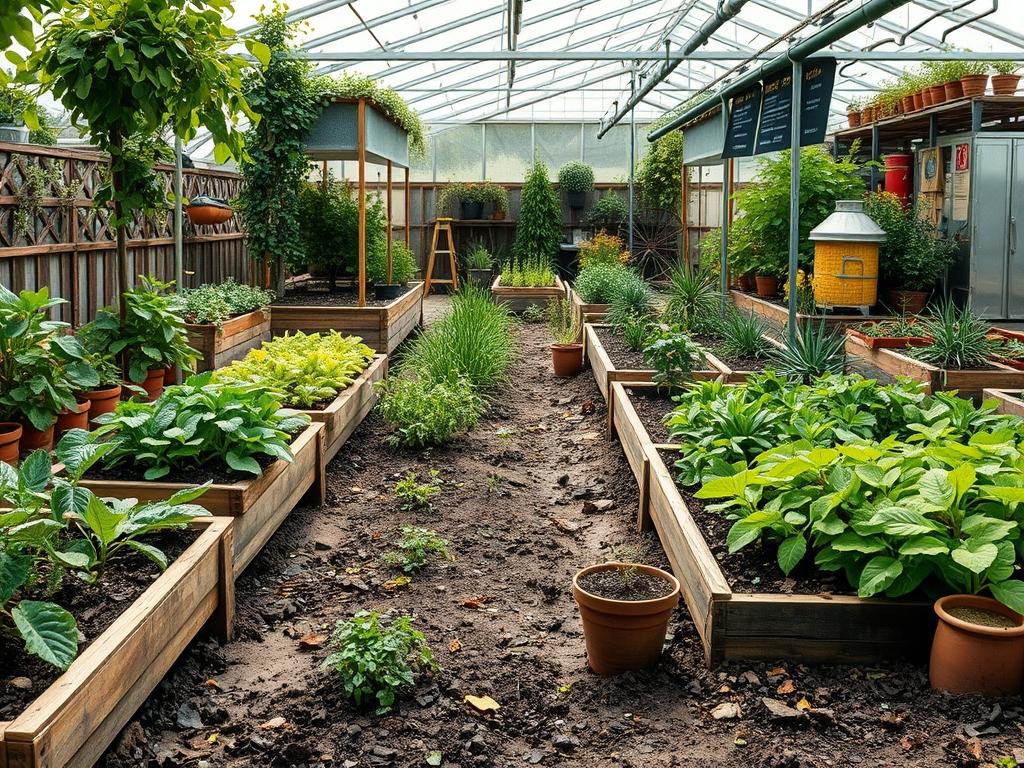
The landscape of 2026 is defined by a shift from ornamental excess to ecological resilience. As water costs rise and regional climates become more unpredictable, the modern homeowner and developer must prioritize Drought-Tolerant Planting not merely for its survival, but for its ability to provide high-end curb appeal with minimal resource consumption. Achieving a professional-grade outdoor environment requires more than just picking dry-climate species; it involves a holistic understanding of soil mechanics, micro-climates, and site-specific topography. The goal is to create an outdoor living space that serves as a functional extension of the home, utilizing a palette of textures and colors that thrive in arid or semi-arid conditions while providing the psychological benefits of a lush, intentional garden.
Successful drought-tolerant design is built upon the concept of hydro-zoning, where plants are grouped according to their specific moisture needs. This ensures that no single plant receives too much or too little water, preventing the common visual discrepancy of one thriving shrub next to a wilting neighbor. Beyond efficiency, the structure of the garden must remain rooted in classic architectural geometry. High-contrast textures such as the soft, needle-like foliage of Blue Fescue against the broad, sculptural leaves of Agave Americana provide year-round visual interest. By focusing on the structural integrity of the landscape, we ensure that the garden retains its value and beauty even during the height of a heatwave or the dormancy of a cold snap.
Landscape Design Principles
A professional landscape begins with a clear spatial hierarchy. Symmetry often anchors the entrance of a property, using Boxwood or drought-hardy Yew to frame a doorway, while more organic, asymmetrical patterns fill the larger garden beds. We utilize focal points to lead the eye through the space. A large Natural Stone Boulder or a modern Corten Steel Planter can serve as an anchor, drawing the viewer’s attention away from the boundary lines and into the heart of the garden.
Elevation layers are critical for creating a sense of depth and enclosure. We design with a three-tier system: the overstory, the mid-story, and the ground plane. The overstory is composed of canopy trees like the Desert Willow or Palo Verde, which provide necessary dappled shade for the layers below. The mid-story features architectural shrubs and perennials that provide color and mass. Finally, the ground plane is managed through a mixture of Creeping Thyme, Decomposed Granite, and River Rock.
Irrigation planning must be integrated into the design phase rather than added as an afterthought. For 2026, we utilize sub-surface Drip Irrigation systems equipped with Smart WiFi Controllers that adjust watering schedules based on real-time local weather data. Walkways should be constructed from permeable materials like Crushed Gravel or Flagstone with wide joints to allow for natural groundwater recharge. This visual balance of hardscape and softscape creates a polished look that feels intentional and permanent.
Plant and Material Selection
Selecting the right biological components is the foundation of a low-water landscape. The following table provides a selection of high-performance species suited for modern Drought-Tolerant Planting.
| Plant Type | Sun Exposure | Soil Needs | Water Demand | Growth Speed | Maintenance Level |
| :— | :— | :— | :— | :— | :— |
| Agave Victoria-reginae | Full Sun | Sandy/Rocky | Very Low | Slow | Low |
| Lavandula Angustifolia | Full Sun | Well-Drained | Low | Medium | Moderate (Annual Pruning) |
| Perovskia Atriplicifolia | Full Sun | Poor/Alkaline | Low | Fast | Low |
| Schizachyrium Scoparium | Full/Partial | Various | Low | Medium | Very Low |
| Cercis Occidentalis | Full/Partial | Well-Drained | Low to Moderate | Medium | Low |
| Sedum Autumn Joy | Full Sun | Loamy/Sandy | Very Low | Fast | Low |
Implementation Strategy
The transition from a design on paper to a physical landscape requires a precise implementation strategy. The process begins with site preparation and grading. It is essential to grade the land so that water moves away from the home foundation and toward the primary planting zones. This is often achieved through the installation of a French Drain or a dry creek bed lined with 3-inch to 5-inch River Stones. These features are both functional and aesthetic, mimicking natural watercourses while managing heavy rainfall events.
Once the grading is complete, the soil must be addressed. Drought-tolerant plants generally prefer lean soil with excellent drainage. If the existing site has heavy clay, we incorporate Expanded Shale or Coarse Sand to a depth of 12 inches to improve aeration. Before any plants go into the ground, we lay out the larger specimens in their designated spots to check for proper spacing. Each specimen should be planted at a height where the root flare is slightly above the soil line to prevent crown rot.
Edging provides the crisp lines that define a professional landscape. We recommend Steel Edging or Concrete Curbing to create a permanent barrier between planting beds and walkways. After the plants are installed and the Drip Irrigation lines are secured with U-shaped Landscape Staples, a layer of mulch is applied. In a drought-tolerant garden, we use 3 inches of Organic Cedar Mulch or Inorganic Midnight Pea Gravel. This layer is crucial because it suppresses weed growth and reduces soil evaporation by up to 70 percent.
Common Landscaping Failures
The most frequent error in Drought-Tolerant Planting is the “bathtub effect.” This occurs when a hole is dug in heavy clay soil and filled with loose potting mix. The water collects in the hole with nowhere to go, effectively drowning the roots of a plant that is supposed to be water-wise. To avoid this, ensuring consistent soil texture across the entire planting bed is vital.
Another common failure is root overcrowding. While it is tempting to plant closely for immediate impact, most drought-tolerant species require significant air circulation to thrive. Overcrowding leads to fungal issues and stunted growth as plants compete for limited underground resources. Proper spacing, often 3 feet to 5 feet apart for mid-sized shrubs, allows the specimen to reach its full, natural form over several seasons.
Irrigation inefficiency also plagues many modern gardens. Many homeowners assume that once a plant is labeled drought-tolerant, it requires no water at all. In reality, all new transplants require a “settling-in” period of 12 to 18 months where they receive regular deep watering. Failure to provide this initial support results in high mortality rates during the first summer. Finally, soil compaction caused by heavy foot traffic or construction equipment can kill a garden before it starts by preventing oxygen from reaching the root zone. Testing soil density with a Penetrometer or a simple Garden Fork can identify problematic areas that require tilling.
Seasonal Maintenance
Seasonal care for a drought-tolerant landscape is less labor-intensive than a traditional lawn, but it is not maintenance-free. In the Spring, the focus is on cleanup and rejuvenation. This is the time to prune spent flowers and cut back ornamental grasses like Mexican Feather Grass to about 4 inches from the ground to allow for fresh growth. Check the Irrigation System for leaks or clogged emitters and top off any thin spots in the Mulch to prepare for the rising temperatures.
During the Summer, maintenance is largely observational. Monitor for signs of extreme stress and adjust the Smart Controller if the region experiences an unusual heat dome. Avoid any heavy pruning or fertilization during the peak of summer, as this triggers new growth that the plant cannot support in the heat.
Autumn is the secondary planting season. The soil is still warm, but the air is cooler, which is the perfect environment for root development. This is also when we perform “deadheading” on late-bloomers like Russian Sage to keep the garden looking tidy. In Winter, the landscape enters a period of structural beauty. Deciduous trees like the Desert Willow reveal their architectural branch patterns. If your region expects a hard freeze, it is wise to wrap the trunks of younger trees and cover sensitive succulents with Burlap or Frost Blankets for the duration of the cold snap.
Professional Landscaping FAQ
What is the best mulch for a drought-tolerant garden?
For most applications, 3 inches of Cedar Mulch is ideal because it breaks down slowly and repels insects. For a more modern, desert-inspired aesthetic, use Decomposed Granite or Pea Gravel to provide superior drainage around the plant crowns.
How often should I water established drought-tolerant plants?
Once established after one to two years, most species only require deep watering once every two to three weeks during the growing season. In the winter, many of these plants can survive solely on natural rainfall and occasional supplement.
Can I have a lawn in a drought-tolerant landscape?
Yes, but you should replace traditional turf with water-wise alternatives like Buffalograss or Fine Fescue. These varieties require significantly less water and can be left unmowed for a meadow-like appearance, or mowed to 3 inches for a classic look.
Do drought-tolerant plants require fertilizer?
Most prefer lean soil and do not need heavy fertilization. A single application of a Slow-Release Organic Fertilizer in the early spring is usually sufficient. Over-fertilizing can lead to excessive, weak growth that is more susceptible to pests and heat stress.
How do I prevent weeds without using heavy chemicals?
The most effective method is maintaining a thick, 3-inch layer of mulch and using Landscape Fabric only under hardscape areas. For planting beds, dense groundcover plants like Sedum or Creeping Thyme naturally outcompete weeds by covering the soil surface.