
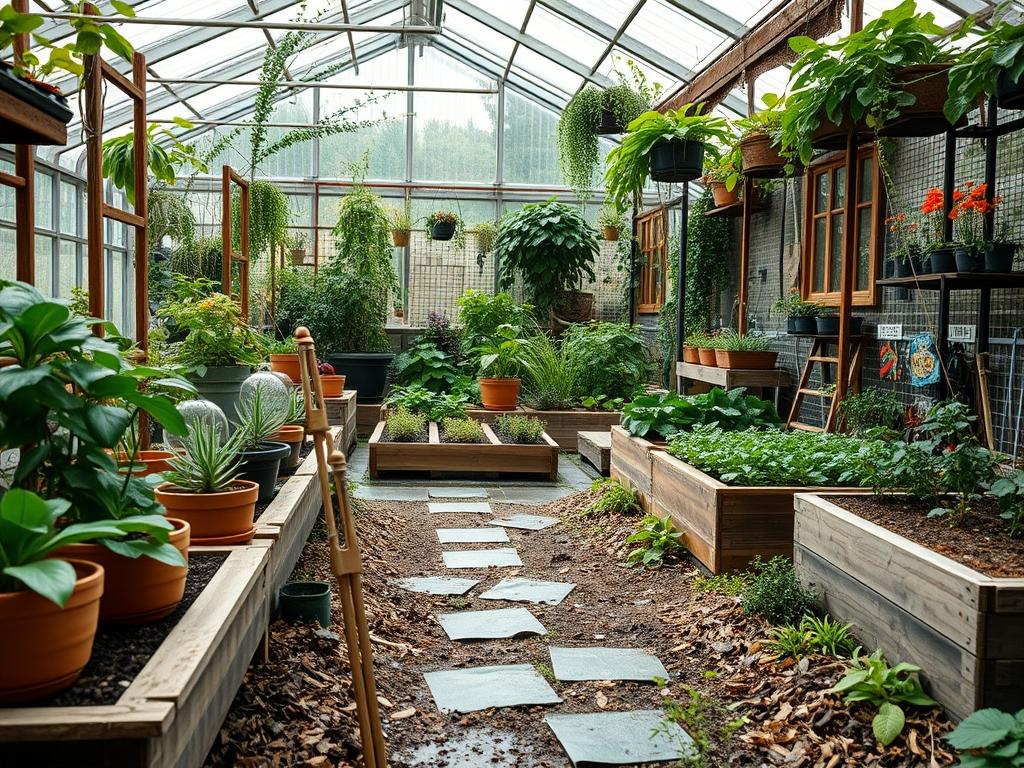
Achieving an authentic aged aesthetic in a landscape requires more than just planting a few perennials; it demands a strategic marriage of lived-in hardscaping and dense, layered vegetation. The primary challenge involves making newly installed elements look as if they have occupied the space for decades. In many modern developments, the lack of site history often results in a sterile environment. To counter this, a professional approach to cottage garden hardscaping focuses on texture, irregularity, and the intentional use of materials that weather gracefully over time. Climate considerations play a massive role here. If you live in a region with high freeze-thaw cycles, your choice of stone and jointing material will dictate whether your path lasts ten years or fifty. Beyond the visual charm, a well-planned cottage layout improves curb appeal and creates functional outdoor living spaces that feel private and secluded. By prioritizing structural integrity alongside traditional beauty, you can transform a flat, uninspired yard into a sanctuary that feels deeply rooted in the earth.
Landscape Design Principles
Successful cottage garden hardscaping relies on a delicate balance between structure and spontaneity. Unlike the rigid formal gardens of the eighteenth century, the cottage style utilizes visual balance rather than strict symmetry. You should aim for a soft hierarchy of focal points. For example, a wrought iron arbor or a weather-worn teak bench can serve as an anchor for the eye, preventing the lush planting from appearing cluttered. Elevation layers are equally vital for creating depth. Utilizing dry-stack stone retaining walls allows for the creation of terraces on a sloped lot, providing distinct zones for different plant communities while managing soil erosion and runoff.
Before any stone is laid, irrigation planning must be integrated into the base design. In a densely packed cottage environment, hand-watering becomes impractical and potentially damaging to delicate stems. Drip irrigation systems should be hidden beneath a layer of organic mulch to ensure water reaches the roots without causing foliage diseases. Walkways should be designed with a slight crown or cross-slope to manage drainage effectively. Avoid perfectly straight lines; instead, use gentle curves or meandering paths made of reclaimed brick or flagstone to encourage a slower pace and provide a sense of discovery as one moves through the garden.
Plant and Material Selection
The materials you choose should possess an inherent patina or the ability to develop one. Reclaimed clay bricks, weathered limestone, and distressed timber are superior to modern, uniform pavers. When selecting plants to spill over these hard edges, prioritize species that offer varied heights and textures.
| Plant Type | Sun Exposure | Soil Needs | Water Demand | Growth Speed | Maintenance Level |
| :— | :— | :— | :— | :— | :— |
| Lavandula angustifolia | Full Sun | Well-drained/Gritty | Low | Moderate | Low |
| Digitalis purpurea | Part Shade | Rich/Moist | Moderate | Fast | Moderate |
| Rosa rugosa | Full Sun | Loamy/Rich | Moderate | Moderate | Medium |
| Buxus sempervirens | Full to Part Sun | Well-drained | Moderate | Slow | High (Pruning) |
| Nepeta x faassenii | Full Sun | Average | Low | Fast | Low |
| Paeonia lactiflora | Full Sun | Deep/Humus-rich | Moderate | Slow | Medium |
| Alchemilla mollis | Part Shade | Moist/Adaptable | Moderate | Moderate | Low |
Implementation Strategy
The transition from a design on paper to a physical garden requires a systematic approach to site preparation. Start with a thorough site analysis to identify high and low points. Grading is the most critical first step; your land must slope away from any permanent structures at a minimum of 2 percent to prevent basement flooding or foundation damage. Once the grade is established, map out your primary walkways. For a traditional look, excavate your paths to a depth of 8 inches. Fill the first 4 inches with a compacted crushed stone base, followed by 2 inches of bedding sand.
When laying the flagstone or cobblestone, keep your joints tight, but leave enough space for moss or creeping thyme to grow between the cracks, which softens the overall appearance. Edging is mandatory to keep the lawn from invading the garden beds. Use steel edging or upright bricks buried halfway into the ground. Once the hardscape is set, prepare the planting beds by tilling in 4 inches of well-rotted compost. After planting your chosen species, apply a layer of hardwood mulch at least 3 inches deep. This depth is essential for moisture retention and weed suppression, but ensure the mulch does not touch the base of the plant stems or tree trunks to prevent rot.
Common Landscaping Failures
The most frequent mistake in cottage gardening is the neglect of drainage requirements. Because cottage gardens are often packed with diverse species, poor drainage can lead to localized “bogging,” where water-sensitive plants like lavender perish quickly. If your soil has a high clay content, installing a French drain or a dry creek bed made of river rock can redirect excess water. Another common error is root overcrowding. While the “overstuffed” look is desirable, planting too closely prevents adequate airflow, leading to powdery mildew and aphid infestations. Always check the mature spread of a plant before digging.
Soil compaction is a silent killer in newly landscaped yards. If heavy machinery was used during the hardscape installation, the surrounding soil may be too dense for root penetration. Using a broadfork to aerate the beds before planting is a professional’s secret to success. Additionally, improper irrigation setup often leads to inefficiencies. Sprinkler heads that hit the sides of retaining walls or wooden fences will cause premature degradation and staining. Ensure that your irrigation zones are grouped by “hydrozones,” placing high-water plants together and drought-tolerant species in their own dedicated area.
Seasonal Maintenance
A cottage garden is a dynamic ecosystem that requires specific care throughout the year. In the spring, focus on cleaning up the debris from the previous year. Prune back any dead wood on your climbing roses and apply a fresh layer of compost to the beds. This is also the time to check your hardscaping for any shifting caused by frost. Reset any loose pavers and top off the sand in your walkway joints.
During the summer, the priority shifts to deadheading and irrigation. Removing spent blooms from salvia and nepeta will encourage a second flush of flowers. Monitor the moisture levels closely; even drought-tolerant plants need supplemental water during extreme heatwaves. In autumn, leave some seed heads for the birds, but clear away any diseased foliage to prevent pathogens from overwintering. This is the ideal time to plant bulbs like tulips and alliums for a spring show. In winter, maintain the structural elements. Protect sensitive terracotta pots from cracking by moving them to a sheltered area and use the dormant season to plan any major structural changes, such as adding a new stone walkway or a pergola.
Professional Landscaping FAQ
How do I make new stone look weathered?
To accelerate the aging process, spray your stones with a mixture of plain yogurt or buttermilk and crushed moss. Keep the area shaded and moist. Over several weeks, this encourages the growth of lichen and moss for an antiqued appearance.
What is the best material for a cottage path?
Reclaimed clay brick and natural flagstone are the premier choices. They offer irregular shapes and earthy tones that blend into the landscape. Unlike concrete, these natural materials develop a beautiful patina and allow for minor shifting without cracking.
How do I prevent weeds between my garden stones?
Use a polymeric sand in the joints of your pavers to create a flexible, weed-resistant seal. For a more natural look, use a geotextile fabric under the base and plant low-growing groundcovers like Isotoma fluviatilis in the gaps.
Is a retaining wall necessary for a flat yard?
While not strictly necessary for stability, a low retaining wall of 6 to 12 inches can provide much-needed vertical interest. It creates distinct planting tiers and offers a finished, professional edge that enhances the “secret garden” feel.
How deep should my garden edging be?
Professional grade edging should be installed at least 4 to 6 inches deep. This depth is necessary to sever the rhizomes of aggressive lawn grasses and prevent them from creeping into your ornamental beds and choking out your perennials.