
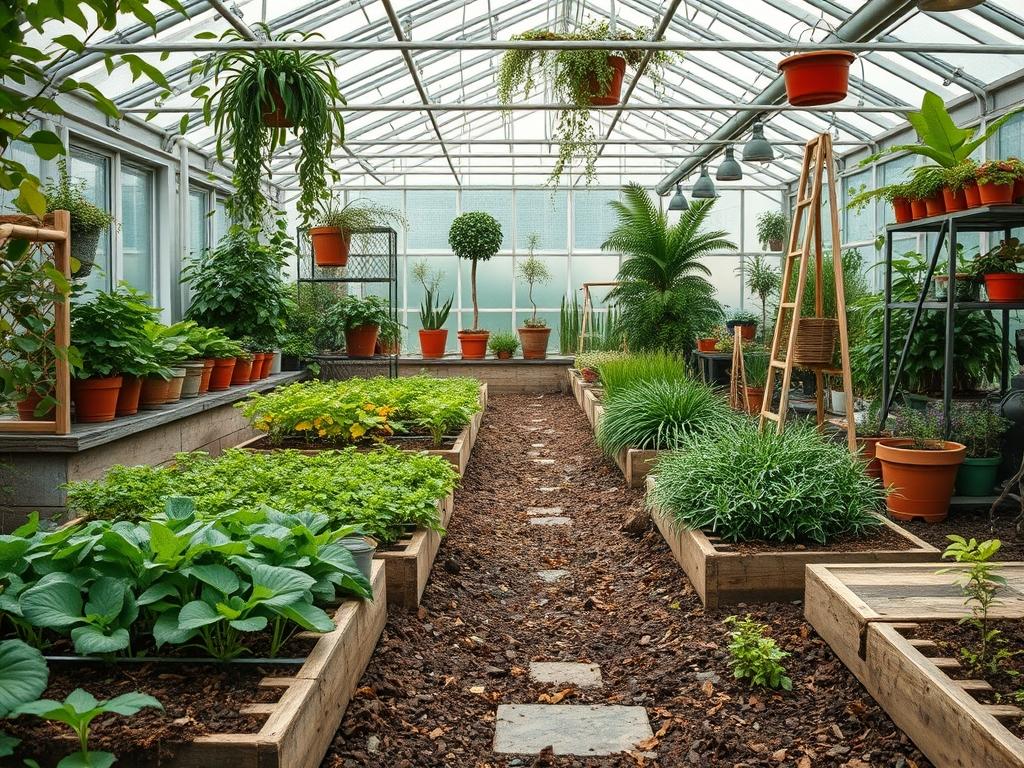
Designing for the coastline requires a fundamental shift in perspective from traditional inland landscaping. When we discuss Coastal Garden Features, we are addressing an environment defined by relentless salt spray, high-velocity winds, and sandy, nutrient-poor soils that offer little structural stability. A successful design does not merely exist in this space; it survives and matures by working with the atmospheric pressures rather than fighting them. Curb appeal in a maritime context is often a byproduct of resilience. If a feature looks fragile, it likely is, and the Atlantic or Pacific spray will quickly expose any weakness in material selection or installation. The goal for any consultant is to create a seamless transition between the rugged natural shoreline and the refined outdoor living areas of the home, ensuring that every deck, wall, and plant serves a functional purpose while enhancing the aesthetic value of the property.
Designing for durability means acknowledging that the ocean is a corrosive force. Hardscaping elements must be chosen for their chemical resistance to salt, while softscaping must account for the high pH levels and rapid drainage characteristic of seaside topography. Functionality should always dictate the layout. For instance, a beautifully designed fire pit is useless if it is positioned in a wind corridor that extinguishes flames or blows ash toward the residence. We must analyze wind patterns, sun paths, and the “salt line” which is the invisible boundary where salt spray is most concentrated, to place features where they can be enjoyed without constant maintenance.
Landscape Design Principles
A professional coastal landscape relies on the intelligent use of symmetry and focal points to anchor the eye against the vast, often overwhelming backdrop of the open water. Symmetry provides a sense of order in an environment that can otherwise feel chaotic and windswept. By using paired planters or mirrored retaining walls, we create a structured frame that pulls the architecture of the house out into the garden. Focal points, such as a large granite boulder or a weathered teak sculpture, provide visual weight, preventing the garden from looking like a collection of scattered plants.
Elevation layers are perhaps the most critical tool in the architect’s arsenal. By varying the height of the terrain through the use of terraced garden beds or raised limestone walkways, we can create microclimates. Lower levels are protected from the wind by the higher tiers, allowing for a broader palette of plant species. This variation also assists with drainage, preventing heavy rainfall from pooling near the foundation. Irrigation planning must be subterranean to protect the system from salt air. Using drip hoses buried at a 4-inch depth ensures that water reaches the root zones of the plants without being evaporated by the wind or contaminated by surface salt deposits.
Visual balance is achieved by contrasting the soft, moving textures of native grasses with the solid, immovable nature of stone. A walkway should not just be a path; it should be an experience that utilizes elevation to offer different vantage points of the coast. We often use 316-grade stainless steel for any metal connectors or railings, as it is the only grade capable of resisting the pitting and rusting common in high-salinity zones. Every element must be weighed against its ability to withstand a storm surge or a sustained gale.
Plant and Material Selection
The following table outlines the most reliable selections for Coastal Garden Features, focusing on species that have evolved specifically to handle maritime stressors.
| Plant Type | Sun Exposure | Soil Needs | Water Demand | Growth Speed | Maintenance Level |
| :— | :— | :— | :— | :— | :— |
| Sea Oats | Full Sun | Sandy/Arid | Very Low | Moderate | Low |
| Beach Plum | Full Sun/Partial | Sandy/Loam | Low | Slow | Moderate |
| New Zealand Flax | Full Sun | Well-drained | Moderate | Fast | Low |
| Japanese Black Pine | Full Sun | Acidic/Sandy | Low | Moderate | High (Pruning) |
| Rugosa Rose | Full Sun | Rich/Sandy | Moderate | Fast | Moderate |
| Bayberry | Full/Partial | Versatile | Low | Moderate | Low |
| Sea Lavender | Full Sun | Sandy/Rocky | Very Low | Slow | Low |
For hardscaping materials, we prioritize natural stone like granite or basalt. Unlike concrete, which can crack under the pressure of salt crystallization, dense natural stones remain inert. When using wood, Ipe or Teak are the gold standards. These woods contain high natural oil content that prevents the salt from penetrating the grain and causing rot. For fasteners, always specify silicon bronze or 316-grade stainless steel to prevent the “bleeding” of rust stains onto expensive stone surfaces.
Implementation Strategy
The implementation of Coastal Garden Features begins with a comprehensive site assessment focused on grading and drainage. Before any plants are installed, the land must be shaped to direct water away from the residence. This often involves the use of a transit level to ensure a minimum 2 percent slope toward a designated drainage area or a dry well. Once the grade is established, we install a geotextile fabric beneath any hardscaping to prevent the sandy substrate from shifting and causing pavers to sink.
Edging is the next step. Using heavy-gauge aluminum or thick stone blocks, we define the boundaries of the garden to prevent the encroachment of beach sand. After the structural elements are in place, we focus on soil amendment. Coastal soil is often devoid of organic matter. We mix compost and sphagnum peat moss into the top 12 inches of the planting beds to provide a nutrient base, though we avoid over-fertilizing, which can cause “leggy” growth that is easily broken by wind.
Mulch is applied at a 3-inch depth. We recommend shredded cedar mulch or river rock. Cedar is particularly effective because its weight prevents it from blowing away, and its natural oils repel pests. The final stage is the installation of the irrigation controller. We program this for early morning cycles to ensure leaves have time to dry before the sun reaches its peak intensity, reducing the risk of salt-induced foliage burn.
Common Landscaping Failures
The most frequent failure in coastal design is the “wind tunnel” effect. This occurs when a designer places a solid wall or a dense hedge in a way that forces wind through a narrow opening, drastically increasing its velocity. This can uproot plants and make outdoor seating areas unusable. A better approach is to use “permeable barriers” like trellises or split-rail fencing that break the wind’s force without creating a vacuum.
Another common mistake is root overcrowding. In an effort to make a garden look “full” immediately, many installers plant species too close together. In a coastal environment, plants need space for air circulation to prevent fungal growth caused by high humidity. Furthermore, sandy soil allows roots to spread further than they would in clay; if they are crowded, they will compete for limited water and nutrients, leading to a stunted landscape.
Soil compaction is also a silent killer. Heavy machinery used during construction can compress the sand until it is as hard as concrete, preventing water infiltration. If the soil is not properly tilled and aerated to a 18-inch depth before planting, the garden will struggle to establish itself. Lastly, many homeowners fail to account for the “whip effect.” A young tree that is not supported by nylon straps and wooden stakes for the first two years will be tilted by the prevailing winds, permanently ruining its structural integrity and aesthetic value.
Seasonal Maintenance
Spring is the time for salt flushing. Even the most tolerant plants accumulate salt on their leaves over the winter. Using a standard garden hose, thoroughly rinse the foliage of every plant in the garden. This is also the period for structural pruning. Remove any branches that have been damaged by winter gales using a pair of bypass pruners. Apply a slow-release fertilizer with a low nitrogen count to encourage root development over leaf growth.
Summer maintenance focuses on hydration and monitoring. While many coastal plants are drought-tolerant, the intense UV radiation and reflecting heat from the sand can dehydrate even the hardiest species. Ensure the drip irrigation system is functioning and check the mulch depth to ensure it hasn’t shifted. If you see signs of “leaf scorch,” which appears as browning on the edges of leaves, increase the watering frequency but not the volume per session.
Autumn is the season for fortification. Check all retaining walls and wooden structures for signs of salt damage. If you utilize teak furniture, apply a light coat of teak oil to protect it during the harsher months. This is also the best time to plant new trees, as the cooler air and warm soil allow roots to settle before the winter dormancy period.
Winter is about protection. In areas prone to heavy storms, we often wrap sensitive focal points in burlap to provide a physical shield against salt-laden wind. Avoid using de-icing salts on your stone walkways, as this adds to the salinity of the soil. Instead, use coarse sand for traction.
Professional Landscaping FAQ
How often should I rinse my coastal plants?
During periods of high wind or lack of rain, you should rinse your plants once a week. Use a gentle spray to wash salt from the leaves and the soil surface. This prevents salt-induced dehydration and foliage burn.
Can I use standard pressure-treated wood for my deck?
Standard pressure-treated timber often reacts poorly to constant salt exposure. For Coastal Garden Features, Ipe, Teak, or Western Red Cedar are preferred. If using treated wood, ensure it is rated for “ground contact” and high moisture environments.
What is the best way to stabilize a sandy slope?
Use a combination of geotextile mesh and deep-rooted species like Sea Oats or American Beachgrass. The roots of these plants act as a natural rebar, locking the sand in place and preventing erosion from wind and rain.
Why are my pavers shifting after only one year?
Shifting is usually caused by an inadequate base. In coastal areas, you need at least 6 inches of compacted crushed stone topped with a 1-inch layer of sand. Without a proper “sub-base,” the sandy native soil will subside.
Is lightning a concern for tall coastal trees?
Yes, isolated tall trees like a Japanese Black Pine on a coastal bluff are prime targets for lightning. If you have a prominent specimen tree, consider installing a copper lightning protection system to safely ground any strikes.