
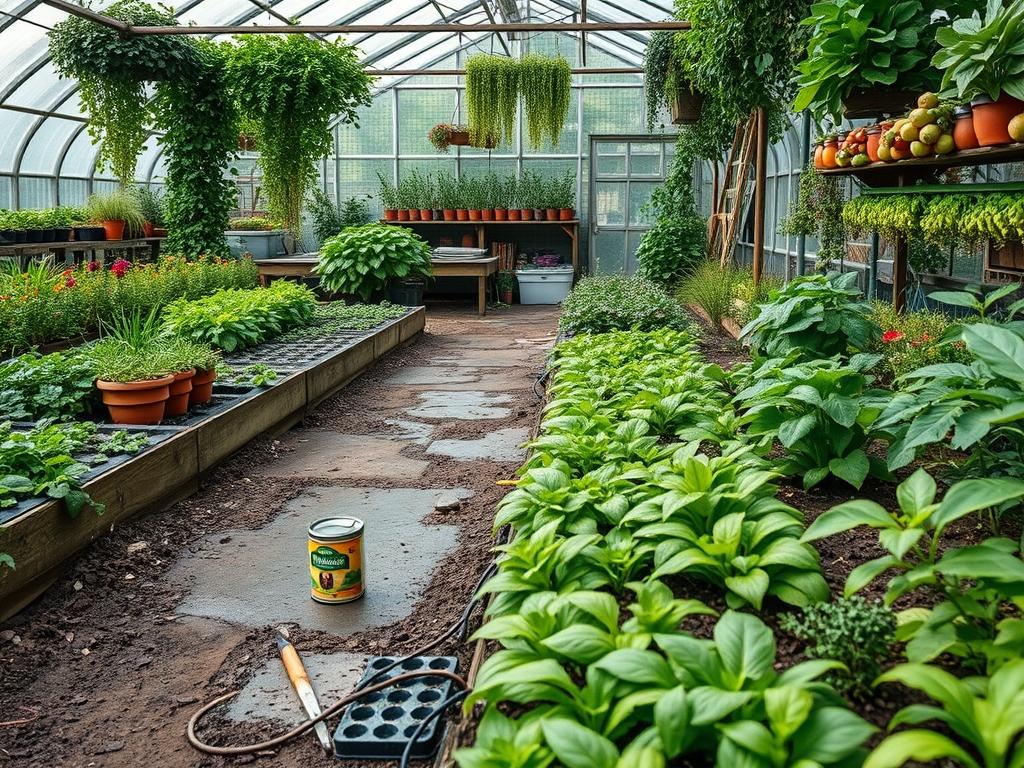
The traditional American lawn is undergoing a structural transformation as homeowners seek greater utility from their outdoor environments. While secondary garden plots were once hidden in the backyard, modern landscape architecture acknowledges that edible species can be just as ornamental as their non-productive counterparts. Integrating food-producing plants into a cohesive site plan requires a deep understanding of edible landscaping basics, which focuses on the intersection of horticulture, aesthetics, and civil engineering. By replacing high-maintenance turf with a mix of perennial vegetables, fruit-bearing shrubs, and decorative herbs, a designer can create a high-performance ecosystem that enhances curb appeal while providing a modular food source. Successful implementation hinges on a rigorous site analysis that considers local microclimates, existing soil structures, and the desired outdoor functionality.
Modern homeowners are no longer satisfied with static green spaces; they demand environments that work for them. This transition requires a shift in how we view the “aesthetic of the leaf.” A Serviceberry tree, for example, offers white spring blossoms, delicious summer fruit, and vibrant autumn foliage, making it a superior choice to a purely ornamental species in a multi-functional landscape. When planning an edible landscape, a consultant must account for the seasonal decay of certain crops to ensure the site remains visually structured year-round. This is achieved through a permanent framework of hardscaping and evergreen structures that maintain the site’s integrity even when the harvests are finished.
Landscape Design Principles
Structural integrity in an edible landscape is built upon the same foundational principles as any high-end residential project. Symmetry and focal points are the first elements a landscape architect considers. A grand Asian Pear tree can serve as a central specimen, drawing the eye and providing vertical scale. Around this focal point, gardeners should employ elevation layers. This layering technique mimics a natural forest edge, placing a tall canopy of nut or fruit trees above an understory of berry shrubs, followed by a ground layer of perennial herbs and vegetables. By managing these vertical tiers, you maximize solar capture and create a sense of lush abundance that feels intentional rather than overgrown.
Irrigation planning is perhaps the most critical technical component of the design phase. Edible plants generally require more consistent moisture than established ornamental shrubs. A professional plan integrates a Drip Irrigation system with programmable zones to deliver water directly to the root zones, reducing evaporation and fungal risks. Designers must also consider walkways and access. If a plant requires frequent harvesting, it must be within a 3 foot reach of a stable path. Using Flagstone or Permeable Pavers ensures that the soil near the plants does not suffer from compaction due to foot traffic, preserving the delicate pore space required for root respiration.
Visual balance is maintained by mixing textures and colors. The silver-green foliage of Artichokes provides a striking architectural contrast to the fine, feathery texture of Asparagus fronds. By treating these vegetables as ornamental accents, they can be placed in prominent locations like the front entry or alongside a driveway. The goal is to create a seamless transition where the observer cannot immediately distinguish between the “beauty” and the “food.” This is the essence of a sophisticated edible master plan.
Plant and Material Selection
Selecting the right materials and species is a matter of matching biological requirements with site conditions. Every plant must earn its place by fitting into the specific sun, soil, and moisture profile of the designated zone.
| Plant Type | Sun Exposure | Soil Needs | Water Demand | Growth Speed | Maintenance Level |
| :— | :— | :— | :— | :— | :— |
| Rosemary | Full Sun | Sandy, Well-Drained | Low | Moderate | Low |
| Blueberries | Full Sun/Part Shade | Acidic (pH 4.5 to 5.5) | Moderate to High | Slow | Medium |
| Swiss Chard | Full Sun/Part Shade | Loamy, High Organic | Moderate | Fast | Low |
| Persimmon | Full Sun | Adaptable/Loamy | Moderate | Moderate | Medium |
| Thyme | Full Sun | Rocky, Poor Soil | Low | Fast | Low |
| Elderberry | Full Sun/Part Shade | Moist, Fertile | High | Very Fast | Medium |
| Currants | Part Shade | Rich, Cool Soil | Moderate | Moderate | Medium |
Beyond the plants, material selection for hardscaping must reflect the longevity of the landscape. Using Cedar or Redwood for raised beds provides natural rot resistance without the need for chemical treatments that could leach into the soil. For retaining walls, Natural Fieldstone or Stackable Concrete Blocks help manage elevation changes and create thermal mass, which can help protect sensitive plants during late-spring frosts.
Implementation Strategy
The transition from a blueprint to a living landscape requires a systematic approach. The first step in any professional installation is grading and drainage. You must ensure the site has a minimum slope of 1/4 inch per foot away from any building foundations to prevent water pooling. Once the grade is established, designers should focus on soil remediation. Most suburban soils are heavily compacted and lack the biological diversity necessary for food production. Incorporating 4 inches of high-quality Compost and tilling it into the top 8 inches of soil will dramatically improve the success rate of new plantings.
After the soil is prepared, the hardscaping elements like Edging, Retaining Walls, and Walkways should be installed. These features act as the “bones” of the garden. Steel Edging is a popular choice for its slim profile and ability to create clean, sharp lines between edible beds and pathways. Once the structural elements are in place, the larger trees and shrubs are planted, followed by the smaller perennials and annuals.
Professional mulching is the final essential step. A layer of Wood Chips or Bark Mulch at a depth of 3 inches serves multiple purposes. It suppresses weeds, regulates soil temperature, and retains moisture. In an edible landscape, mulch also prevents soil-borne pathogens from splashing onto the leaves of low-growing vegetables during rain events. Be sure to keep the mulch a few inches away from the trunks of trees and shrubs to prevent bark rot.
Common Landscaping Failures
The most frequent mistake in edible landscaping is a failure to account for drainage. Many edible species, particularly fruit trees, cannot tolerate “wet feet.” If soil remains saturated for more than 24 hours, the roots may succumb to fungal rot. Installing French Drains or Drainage Tile in low-lying areas is a necessary investment for long-term plant health. Another common error is root overcrowding. It is tempting to plant closely for immediate impact, but an experienced architect plans for the “mature width” of the species. Overcrowding leads to poor air circulation, which invites pests and reduces the overall yield and beauty of the plant.
Soil compaction is another silent killer. When heavy machinery or frequent foot traffic compresses the soil, it eliminates the oxygen pockets that roots need to survive. This is why defined pathways are mandatory in a productive garden. Finally, irrigation inefficiencies often plague these designs. Using overhead sprinklers for edible plants is generally discouraged because it wastes water and increases the risk of leaf diseases like powdery mildew. A conversion to a targeted Drip System or Soaker Hoses is the professional standard for sustainability and plant vigor.
Seasonal Maintenance
A high-performing landscape requires a structured maintenance calendar. In the Spring, the focus is on “awakening” the site. This involves pruning dead or damaged wood, applying organic fertilizers, and refreshing the mulch layers. As the weather warms, checking the Irrigation Controllers and cleaning filters ensures the system is ready for the peak demand of the growing season.
Summer maintenance revolves around harvest and hydration. Regular monitoring for pests like aphids or mites is necessary, using integrated pest management techniques to avoid harsh chemicals. Weeding must be done consistently to ensure that the edible plants are not competing for nutrients and water. In Autumn, the landscape architect focuses on soil building. This is the ideal time to add another layer of Compost and to plant “cover crops” or “green manures” in any empty spaces to prevent erosion over the winter.
Winter is the season for structural pruning and planning. Deciduous fruit trees and bushes should be pruned while dormant to encourage a strong branch structure and better fruit production in the coming year. It is also the time to service power tools, sharpen Pruning Shears, and review the performance of the landscape to make adjustments to the design for the following spring.
Professional Landscaping FAQ
How do I prevent my edible landscape from looking messy?
Maintain clean lines using Steel Edging and formal hedges. Grouping edibles within established hardscape borders creates an intentional look. Use a consistent mulch color to unify disparate plant textures and keep the site looking professionally curated throughout the seasons.
Which edible plants provide the best curb appeal?
Blueberry bushes offer stunning autumn color, while Espalier Apple Trees create high-end architectural interest. Purple Basil and Rainbow Swiss Chard add vibrant splashes of color that rival traditional annual flowers without sacrificing the productive nature of the garden.
Can I grow edibles in a small urban lot?
Absolutely. Vertical gardening using Trellises and Wall Planters maximizes limited square footage. Selecting dwarf varieties of fruit trees allows for a diverse harvest in a confined area, while raised beds provide controlled environments for optimal soil quality and drainage.
What is the best mulch for an edible garden?
Organic Cedar Mulch or high-quality Straw are excellent choices. They break down over time, adding organic matter back into the soil. Avoid dyed mulches or those containing industrial byproducts, as these can leach unwanted chemicals into your food-producing plants.
How does edible landscaping affect property value?
A professionally designed edible landscape can significantly increase property value by offering a unique, sustainable feature. Buyers value mature fruit-producing plants and high-quality hardscaping. When executed with clean design principles, it serves as a functional luxury that distinguishes the property.