
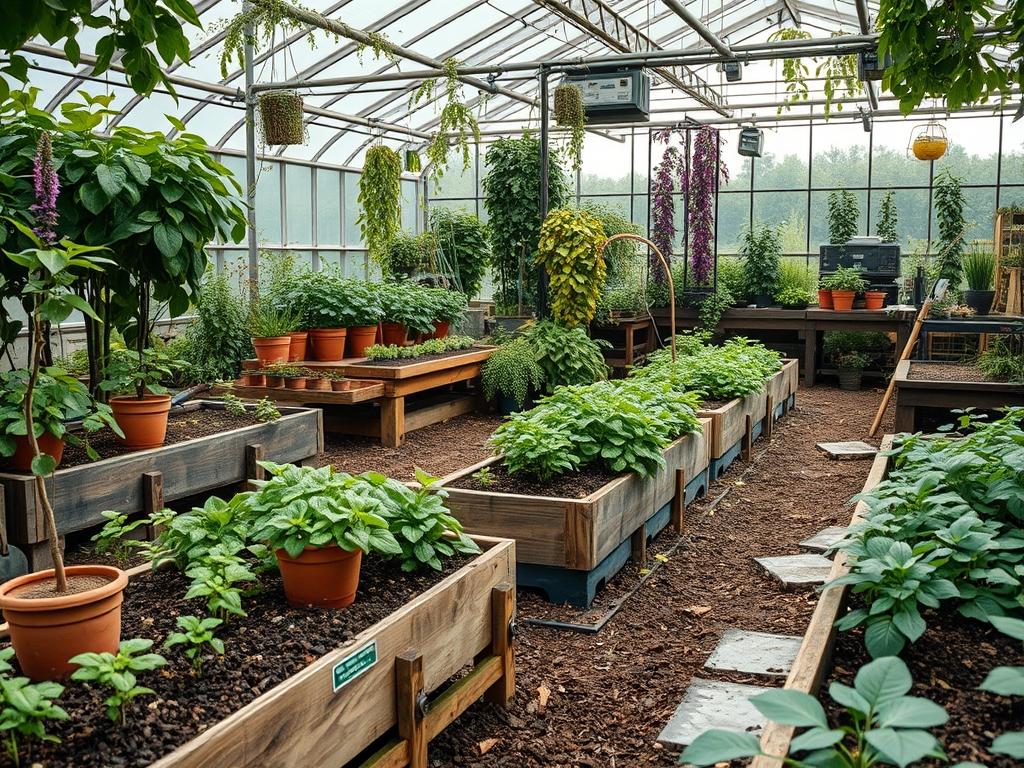
Designing a landscape for a north facing corner or a heavily canopied backyard presents one of the most technical challenges for property owners and professional architects alike. Most residential designs focus heavily on sun drenched patios and open lawn vistas, leaving the recessed, shadowed areas of the property to become muddy, barren, or overgrown with opportunistic weeds. These pockets of the yard often lack sufficient ultraviolet exposure for traditional turfgrass and suffer from poor air circulation, which can lead to moss accumulation and soil stagnation. However, from a professional consultancy perspective, these challenging zones provide a unique opportunity to create intimate, textured microclimates that increase property value and enhance curb appeal.
Successful Shady Corner Solutions require an understanding of how light interacts with the built environment and the organic canopy. When we evaluate a site, we look at both “dry shade,” which usually occurs under large established trees where roots compete for moisture, and “damp shade,” which is common against masonry walls with poor drainage. Addressing these conditions is not merely about choosing the right plant; it is about engineering an ecosystem that balances moisture, soil aeration, and visual interest. By treating these areas as high performance “outdoor rooms” rather than forgotten edges, we can transform a dark corner into a sophisticated focal point that provides a cooling respite during the peak of summer.
Landscape Design Principles
Effective shade design relies on the strategic use of luminosity and texture rather than relying solely on vibrant floral color. In low light environments, the human eye becomes more sensitive to variations in leaf shape and silver or variegated foliage. We prioritize symmetry in formal shade gardens by using mirrored plantings of Boxwoods or Japanese Maples to frame an entryway or a pathway. In more naturalistic settings, an asymmetrical balance works better, utilizing clusters of ferns and Hostas to mimic the organic layering found on a forest floor.
Elevation layers are critical in condensed shady corners. We utilize a three tier vertical strategy: the overhead canopy (large trees), the understory (smaller ornamental trees or tall shrubs), and the ground plane (perennials and groundcovers). This layering ensures that even when viewing the garden from a distance, the space feels full and intentional. Visual balance is further maintained by incorporating hardscaping elements like natural stone pavers or crushed granite walkways. These light colored materials act as a reflector, bouncing what little ambient light is available into the foliage.
Irrigation planning in these areas must be precise. Because evaporation occurs much slower in the shade, traditional spray heads often lead to crown rot or fungal issues. We recommend low volume drip irrigation lines or soaker hoses buried beneath 3 inches of organic mulch. This delivery method ensures water reaches the root zones directly without saturating the foliage or creating standing pools of water. Furthermore, the inclusion of a focal point, such as a stone birdbath or a weathered steel sculpture, provides a structural anchor that remains visually appealing even during the dormant winter months.
Plant and Material Selection
The following table outlines high performance selections specifically curated for Shady Corner Solutions, focusing on hardiness and aesthetic reliability.
| Plant Type | Sun Exposure | Soil Needs | Water Demand | Growth Speed | Maintenance |
| :— | :— | :— | :— | :— | :— |
| Hosta (Various) | Full Shade | Loamy, Well-Drained | Medium | Moderate | Low |
| Japanese Painted Fern | Part to Full Shade | Rich, Acidic | High | Slow | Low |
| Oakleaf Hydrangea | Part Shade | Moist, Fertile | High | Fast | Moderate |
| Hellebore | Full Shade | Alkaline to Neutral | Low | Moderate | Low |
| Japanese Forest Grass | Part Shade | Consistent Moisture | Medium | Slow | Low |
| Astilbe | Part Shade | Boggy/Moist | High | Moderate | Moderate |
| Coral Bells (Heuchera) | Part Shade | Well-Drained | Medium | Moderate | Low |
| Pachysandra | Full Shade | Adaptive | Medium | Fast | Very Low |
| Encore Azalea | Dappled Shade | Acidic, Well-Drained | Medium | Moderate | Moderate |
| Bleeding Heart | Part to Full Shade | Humus Rich | High | Fast | Moderate |
Implementation Strategy
The transition from a design concept to a physical landscape requires a rigorous installation process. We begin with site grading. A professional grade should slope at a minimum of 2 percent away from any residential foundations or retaining walls to prevent hydrostatic pressure and water seepage. In shady corners, this is particularly vital, as damp soil can harbor mold that affects both the plants and the home structure. Once the grade is established, we use a trenching shovel to define the perimeter for steel edging or Belgian block borders. This creates a crisp transition between the planting bed and the lawn or walkway.
Soil preparation is the next critical phase. Shady areas often contain heavy clay or compacted earth from years of neglect. We recommend tilling in 4 inches of organic compost and expanded shale to a depth of 12 inches to improve aeration. When installing larger specimens like Oakleaf Hydrangeas, the planting hole should be twice as wide as the root ball to encourage lateral root expansion. After the plants are set, we apply a consistent layer of hardwood mulch or pine straw. This mulch should never touch the trunk of the plant; instead, leave a 2 inch gap to prevent bark decay. Finally, the installation of low voltage LED path lights with “cool” color temperatures can highlight the architectural lines of the plants during evening hours.
Common Landscaping Failures
The most frequent mistake in shady garden management is ignoring the “dry shade” phenomenon created by large deciduous trees. Maples and Oaks have aggressive surface roots that will outcompete smaller perennials for water and nutrients. Simply planting a Hosta in a hole between tree roots is often a recipe for failure. Instead, use “pocket planting” techniques where you install the plant in a raised mound of soil or use a root barrier to give the new plant a head start.
Another common failure is soil compaction. In high traffic shady corners, the lack of sun prevents grass from growing, and subsequent foot traffic packs the soil as hard as concrete. Plants cannot breathe in these conditions. To solve this, always install a designated walkway using stepping stones or pea gravel to direct traffic away from sensitive root zones. Additionally, avoid over irrigation. Because these areas do not dry out as quickly as sunny flower beds, many gardeners accidentally drown their plants by keeping the soil “mucky.” Always use a soil moisture meter or the finger test before engaging your irrigation system.
Seasonal Maintenance
Maintenance in a shade garden is less about mowing and more about debris management and structural pruning. In the spring, remove dead foliage from Hellebores and Ferns before the new fiddleheads emerge. This is also the ideal time to apply a slow release granular fertilizer (such as a 10-10-10 blend) to stimulate early season growth. Monitor the moisture levels closely; spring rains can often lead to “damping off” in newly planted areas if the drainage is not functioning perfectly.
During the summer, the primary goal is hydration. Check the soil beneath the mulch every three days. If the top 2 inches of soil are dry, provide a deep, slow soak. Autumn requires the diligent removal of fallen leaves. While a few leaves can act as natural mulch, a thick mat of wet leaves will suffocate your perennials and encourage slugs. Shredding the leaves with a mulching mower and reapplying them is acceptable, but heavy whole leaves should be cleared. In winter, focus on the “bones” of the garden. Prune any damaged limbs from Japanese Maples and ensure that retaining walls and pavers are clear of ice to prevent heaving or cracking during freeze/thaw cycles.
Professional Landscaping FAQ
What is the best way to stop moss from growing in my shady corner?
Moss thrives in acidic, compacted, and damp soils. To discourage it, aerate the ground, incorporate lime to raise the pH level, and improve drainage. However, many designers now embrace moss as a low maintenance, lush groundcover in deep shade environments.
Can I grow flowering plants in absolute shade?
While most flowers require some dappled light, Hellebores and certain Astilbe varieties perform well in low light. For absolute shade, focus on foliage plants like Hostas or Japanese Painted Ferns which offer silver and burgundy tones that mimic the visual impact of flowers.
How deep should my mulch be in a shade garden?
Maintain a depth of 2 to 3 inches. This thickness is sufficient to suppress weeds and retain necessary moisture without insulating the soil too much, which could prevent the ground from warming up in the early spring.
Why do my shade plants look wilted even when the soil is wet?
This is often a sign of “wet feet” or root rot. If the soil lacks oxygen due to overwatering or poor drainage, the roots begin to die and can no longer transport water to the leaves. Improve the soil porosity immediately.
Are native plants better for shady areas?
Yes, native plants are generally more resilient to local pests and climate fluctuations. Species like Wild Ginger or Virginia Bluebells have evolved specifically for forest floor conditions and require significantly less supplemental fertilizer or specialized care once established.