
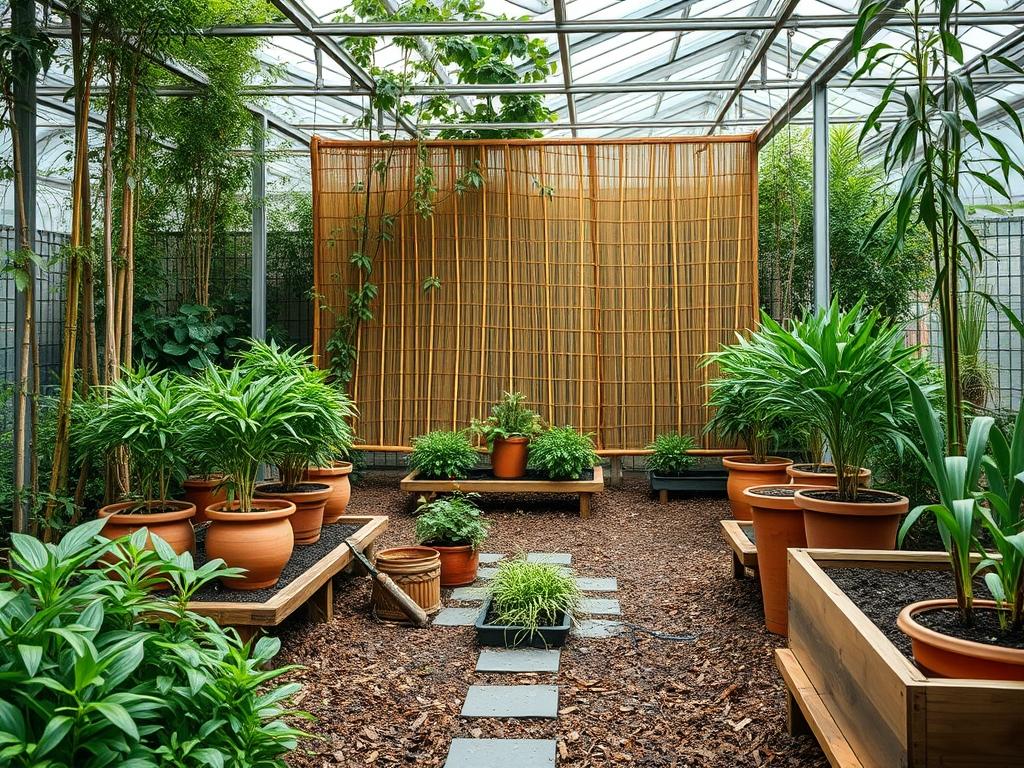
Creating a secluded sanctuary in a modern residential landscape requires a delicate balance between aesthetic elegance and functional density. As suburban lots shrink and multi story developments rise, homeowners face the challenge of maintaining intimacy without sacrificing the open feel of their outdoor environments. Traditional fencing often feels restrictive or architectural, yet biological solutions like Leyland Cypress or Arborvitae can be slow to mature or susceptible to regional blights. This is where Bamboo Privacy Screens emerge as a premier choice for contemporary landscape architecture. They provide a verticality that few other plants can match, offering a shimmering, kinetic wall that filters light while blocking prying eyes. Successfully integrating bamboo into a professional landscape plan requires a deep understanding of species behavior, soil mechanics, and long term containment strategies to ensure the screen remains an asset rather than an invasive liability.
Climate considerations play a pivotal role in the success of a living screen. For those in USDA zones 7 through 10, the options are vast, ranging from cold hardy temperate species to lush tropical varieties. The choice of bamboo significantly impacts the curb appeal of the property, as the culm color and leaf texture contribute to the overall design language. Golden or black canes can serve as a striking backdrop to minimalist hardscaping, while fine leafed varieties like Mexican Weeping Bamboo soften the hard edges of modern concrete structures. Beyond mere aesthetics, these screens act as effective sound dampeners, scattering acoustic waves through their dense foliage and flexible stalks. Achieving this functionality requires a strategic approach to site preparation, ensuring that the chosen variety aligns with the specific solar orientation and drainage profile of the garden.
Landscape Design Principles
Modern landscaping thrives on the concept of living architecture, where plants are treated as structural elements rather than mere decoration. When planning a privacy screen, symmetry and focal points must be established to guide the eye. A monoculture of bamboo can create a powerful, clean line that defines the perimeter of a property, but it must be balanced by lower elevation layers. Integrating shrubbery or groundcovers at the base of the bamboo prevents a “leggy” appearance and adds depth to the visual field. This layered approach mimics natural ecosystems, making the screen feel integrated into the broader garden rather than like an after-thought.
Elevation changes also dictate the placement of bamboo. On sloped lots, bamboo can be planted within retaining walls or raised planters to provide immediate height at the eye level of a deck or patio. This technique also aids in managing water runoff. Irrigation planning is critical; bamboo is a thirsty grass that requires consistent moisture to establish its dense canopy. A professional layout should include a drip irrigation system tucked beneath a layer of hardwood mulch to ensure water reaches the rhizome network directly. Furthermore, integrating walkways using natural stone pavers or decomposed granite allows for maintenance access while creating a rhythmic contrast between the static hardscape and the moving bamboo stalks.
Plant and Material Selection
Selecting the right species is the most important decision in the design process. The distinction between clumping (pachymorph) and running (leptomorph) bamboo determines the intensity of the containment strategy required.
| Plant Type | Sun Exposure | Soil Needs | Water Demand | Growth Speed | Maintenance Level |
| :— | :— | :— | :— | :— | :— |
| Bambusa oldhamii | Full Sun | Loamy, Well-drained | Moderate to High | Fast | Low (Clumping) |
| Phyllostachys nigra | Partial Shade | Rich, Acidic | Moderate | Fast | High (Needs Barrier) |
| Seabreeze Bamboo | Full Sun/Salt | Sandy Loam | Moderate | Very Fast | Medium (Clumping) |
| Alphonse Karr | Full/Partial Sun | Fertile, Moist | High | Moderate | Low (Clumping) |
| Fargesia robusta | Partial Shade | Well-drained, Cool | High | Moderate | Low (Clumping) |
Implementation Strategy
The successful installation of Bamboo Privacy Screens begins with precise site grading. The area must be sloped away from home foundations, ensuring that excess water does not pool at the base of the plants, which can lead to anaerobic soil conditions. Once the grade is established, the framing of the screen takes place. For running varieties, a 60 mil HDPE root barrier must be installed to a depth of 24 inches, with at least 2 inches of the barrier visible above the soil line. This creates a physical perimeter that prevents the underground rhizomes from encroaching on lawns or neighboring properties.
For the planting process, dig a trench that is twice the width of the root ball. Incorporate organic compost and bio-char into the backfill to provide a slow release nutrient source. Proper spacing is essential; most large timber bamboo should be spaced 3 to 5 feet apart to allow for lateral expansion while still achieving a full screen within two growing seasons. After planting, apply a 3 inch layer of mulch to the surface. This suppresses weeds, retains moisture, and provides a clean aesthetic finish that complements the vertical lines of the bamboo. If the design includes edged borders, use steel edging or concrete curbing to define the transition between the bamboo grove and adjacent turf.
Common Landscaping Failures
One of the most frequent errors in bamboo installation is the neglect of drainage management. While bamboo loves water, it cannot survive in “wet feet” or standing water. Soil compaction, often caused by heavy machinery during construction, creates a hardpan layer that prevents water infiltration, leading to root rot. To mitigate this, a French drain or perforated pipe should be installed behind the screen if the site sits at the base of a slope. Without proper drainage, the bamboo will exhibit yellowing leaves and stunted growth, common signs of physiological stress.
Another failure point involves root overcrowding in containers or restricted barriers. If a root barrier is too shallow or if the bamboo is kept in a planter that is too small for its species, the plant will become “pot-bound.” This limits its ability to absorb nutrients and makes it more susceptible to wind throw during storms. Furthermore, many homeowners fail to account for the sheer height of certain species. Planting a 30 foot variety under utility lines or eaves will necessitate constant, unsightly pruning that ruins the natural silhouette of the plant. Proper spacing and species selection are the only ways to avoid these long term maintenance headaches.
Seasonal Maintenance
Seasonal care is what separates a thriving living wall from a struggling one. In the Spring, the focus is on fertilization and new growth. Apply a high nitrogen fertilizer, such as a 10-10-10 NPK ratio, to support the rapid development of new culms (shoots). This is also the time to inspect the root barrier for any “escapees” that may have jumped over the top edge. As the weather warms into Summer, the priority shifts to irrigation. Bamboo requires consistent deep watering during its primary growing season, especially during periods of extreme heat where transpiration rates are at their peak.
During Autumn, owners should perform thinning and cleaning. Remove any culms that are older than five years or those that show signs of damage. Thinning allows light to penetrate the center of the grove, which encourages healthier growth the following year. Finally, in Winter, maintenance involves protection and structural integrity. In colder regions, a thick layer of straw mulch should be spread over the base to insulate the rhizomes from frost. If heavy snow occurs, gently shake the culm tops to prevent the weight from snapping the stalks. Unlike many deciduous plants, bamboo provides year round green color, but it needs this seasonal attention to remain vibrant.
Professional Landscaping FAQ
How do I prevent bamboo from spreading to my neighbor’s yard?
You must install a high density polyethylene (HDPE) root barrier. Dig a trench 24 inches deep around the planting area. Tilt the barrier slightly outward and leave 2 inches above the surface to catch any rhizomes trying to hop over.
Can I grow Bamboo Privacy Screens in large pots or containers?
Yes, but you must choose clumping bamboo varieties and use containers at least 20 inches wide. Ensure the pots have excellent drainage and use a high quality potting mix since containers dry out much faster than ground soil.
How fast will my bamboo screen reach full height?
Most bamboo varieties reach their maximum height within 3 to 5 years. However, they grow in “steps.” Each year, the new shoots will be taller and thicker than the previous year until the permanent height of the species is reached.
Does bamboo attract pests or garden diseases?
Bamboo is generally hardy, but it can occasionally attract bamboo mites or aphids. You can manage these with neem oil or high pressure water sprays. Proper spacing and thinning ensure airflow, which is the best defense against fungal issues.
What is the best way to prune bamboo for a clean look?
Prune the lower branches of the culms to show off the colorful “canes.” This is called “legging up.” Use a sharp pair of bypass pruners to cut branches flush against the culm for a sleek, architectural appearance.