
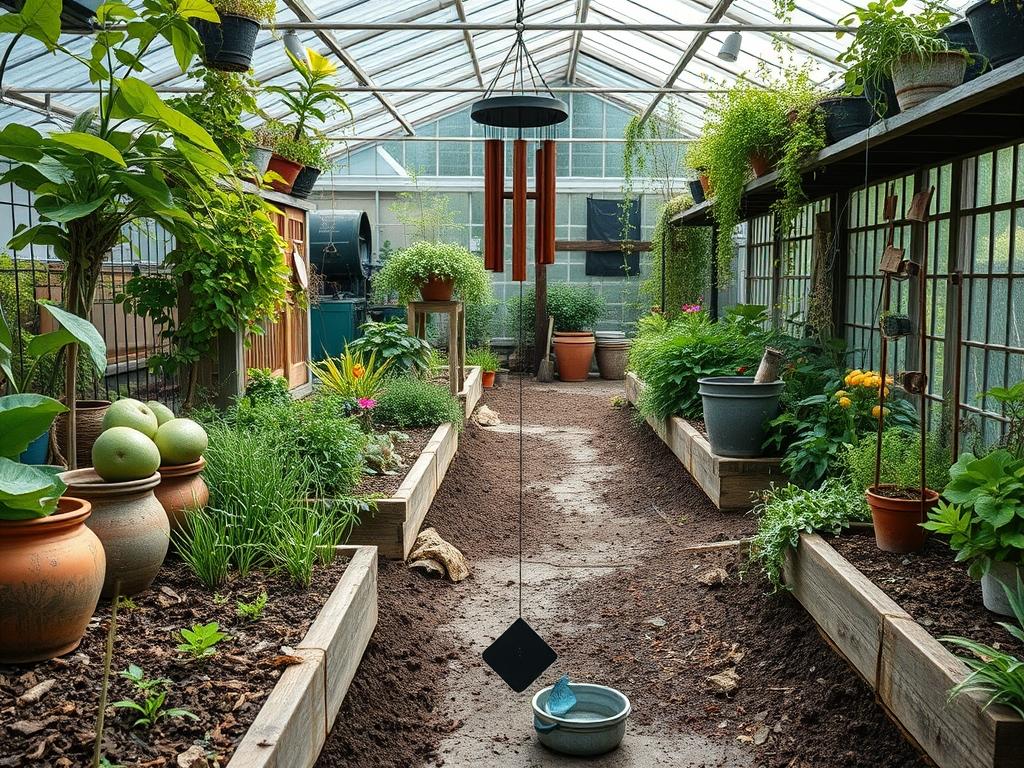
The integration of acoustic elements into a professional landscape design is often the final layer that distinguishes a functional yard from a true sensory sanctuary. While most homeowners focus heavily on the visual aspects of curb appeal or the tactile nature of hardscaping materials, the auditory dimension is frequently overlooked. Modern landscaping challenges involve more than just aesthetic beauty; they require a deep understanding of climate considerations, wind patterns, and how sound interacts with physical structures. By intentionally designing soundscapes with wind chimes, a landscape architect can mask undesirable local noise, such as traffic or distant machinery, while creating a cohesive atmosphere that complements the natural environment. Success in this area depends on recognizing how the wind moves through a property, influenced by topography and elevation, to ensure that the chimes act as a subtle background melody rather than a persistent distraction. Functional goals for such a project usually include the creation of a relaxing outdoor living space that remains harmonious throughout the changing seasons.
Landscape Design Principles
Effective sound design begins with the core principles of landscape architecture, specifically symmetry and the strategic use of focal points. When incorporating soundscapes with wind chimes, the placement of the instruments must serve a dual purpose as both a visual and auditory anchor. Symmetry in the layout helps balance the distribution of sound; for instance, placing identical sets of chimes on opposite sides of a pergola or a formal entryway creates a balanced acoustic experience. Beyond symmetry, designers must consider elevation layers. Sound behaves differently depending on the height of its source. Suspending chimes at varying heights, from lower branch attachments at 5 feet to higher structural beams at 10 feet, allows the wind to catch the sails at different velocities, resulting in a complex, layered resonance.
Walkways and movement through the garden also play a critical role in how sound is perceived. A professional plan guides the visitor through “sound pockets” where the intensity of the chimes increases and decreases based on the proximity to hardscape elements. Irrigation planning should not be ignored during this phase. While it may seem unrelated, the placement of bubbler emitters or small water features can complement the metallic or wood tones of the chimes. Visual balance is maintained by ensuring that the mounting hardware and the chimes themselves match the architectural style of the home. A minimalist, modern landscape might utilize sleek, powder coated aluminum tubes, while a rustic or traditional garden benefits from copper or bamboo materials that age gracefully over time.
Plant and Material Selection
The following table identifies key plant species that either enhance the wind movement required for soundscapes or provide a soft acoustic backdrop that absorbs harsher frequencies.
| Plant Type | Sun Exposure | Soil Needs | Water Demand | Growth Speed | Maintenance Level |
| :— | :— | :— | :— | :— | :— |
| Miscanthus sinensis | Full Sun | Well drained | Low | Fast | Low |
| Betula nigra | Full to Part Sun | Moist, acidic | High | Medium | Moderate |
| Bambusa | Full Sun | Loamy, rich | High | Fast | Moderate |
| Pinus strobus | Full Sun | Loamy | Medium | Medium | Low |
| Calamagrostis acutiflora | Full Sun | Heavy clay | Moderate | Fast | Low |
Selecting the right materials for the surrounding environment is just as vital as the plants. Hard materials like natural stone pavers or concrete retaining walls reflect sound, which can amplify the chimes in a confined space. Conversely, soft materials such as organic cedar mulch or dense groundcovers act as sound dampeners. When designing soundscapes with wind chimes, it is essential to utilize stainless steel hardware for all mounting points to prevent oxidation and staining of the support structures.
Implementation Strategy
The implementation process begins with a detailed site analysis to identify primary wind corridors. Start by marking the locations where wind naturally accelerates, such as narrow passages between the house and a fence or open areas at the top of a slope. Proper grading is the next step; the land should be sloped at a minimum 2 percent grade away from all structures to ensure that the areas beneath the chimes do not become boggy or unstable. Once the grading is established, define the boundaries of the soundscape using steel edging or paver borders to create clean lines and prevent the encroachment of turf into the chime zones.
When installing the chimes, consider the depth of the mulch layer around the base of the hanging area. A 3 inch layer of bark mulch provides excellent moisture retention for nearby plants while also softening the footfall of visitors approaching the focal point. If the chimes are to be mounted on a freestanding structure, such as a timber frame arbor or a retaining wall post, ensure that the footings are set in concrete at least 24 inches deep to withstand high wind loads. Drainage must be a priority; if you are building a dedicated sound garden, installing a French drain or a dry creek bed will help manage runoff without disrupting the peaceful environment you have created. Finally, coordinate the hanging height with the average eye level of the occupants to ensure the chimes are both visible and accessible for manual cleaning.
Common Landscaping Failures
One of the most frequent errors in landscape design involves drainage mistakes that lead to soil saturation around the base of supporting structures. When the ground becomes waterlogged, larger trees or posts used to hang chimes can shift, leading to crooked installations or structural failure. Root overcrowding is another significant issue; planting large species like Betula nigra too close to walkways can result in the root system lifting the pavers, creating trip hazards near the soundscape features. Proper spacing is non-negotiable. A designer must plan for the mature width of every plant to avoid a cluttered environment that blocks the very wind needed to activate the chimes.
Soil compaction is often overlooked during the construction phase of a yard. Using heavy machinery can crush the soil structure, preventing water and air from reaching the roots of the “whispering” plants that are meant to accompany the soundscape. This leads to stunted growth and a lack of the natural rustling sound that complements the chimes. Additionally, irrigation inefficiencies, such as overwatering or poorly aimed sprinkler heads, can lead to premature corrosion of chime components or the growth of mold on wooden strikers. It is vital to ensure that the irrigation zones are tuned specifically to the needs of the plants without drenching the acoustic equipment.
Seasonal Maintenance
Managing soundscapes with wind chimes requires a dedicated seasonal approach to ensure longevity and consistent performance. In the spring, inspect all nylon cords and suspension points for signs of fraying or wear caused by winter storms. This is also the time to apply a fresh 2 inch layer of wood chips or compost to maintain soil health. During the summer, the focus shifts to irrigation management. Ensure that the drip lines are functioning correctly and that the foliage of nearby plants like Bambusa has not grown so dense that it completely redirects the wind away from the chimes.
As autumn arrives, it is necessary to prune back any deciduous branches that may have grown too close to the chimes, as the friction can damage both the tree and the instrument. Cleaning the chimes with a mild detergent helps remove pollen and dust that can affect their resonance. Winter landscape management involves more protective measures. In regions with heavy ice or extreme gales, it may be prudent to temporarily remove or secure the chimes to prevent them from becoming tangled or damaged. Check any hardscape footings for heaving caused by the freeze-thaw cycle to ensure that the structural integrity of the soundscape remains intact for the coming year.
Professional Landscaping FAQ
How do I choose the right location for the best sound?
Identify a natural wind corridor, such as a side yard or an elevated patio area. Use a handheld anemometer to verify consistent airflow. Ensure the location is away from noisy air conditioning units to maintain the purity of the soundscape.
Can wind chimes be too loud for my neighbors?
Yes, decibel levels should be considered. To remain professional, place chimes within the interior of your garden, using solid fences or thick hedges as acoustic buffers. Select chimes tuned to pentatonic scales for a more harmonious, less intrusive experience.
What is the best material for long term durability?
Anodized aluminum and stainless steel are the superior choices for harsh climates. These materials resist rust and maintain their pitch for years. Bamboo or wood are beautiful but require more frequent treatment with marine grade varnish to prevent rot.
How do I integrate chimes into a small urban garden?
Focus on vertical elevation. Use wall mounted brackets and hang chimes at different heights to catch swirling urban breezes. Incorporate small ornamental grasses in containers to provide a complementary rustling sound without requiring extensive ground space for planting.
How often should I check the mounting hardware?
Perform a thorough inspection twice a year, specifically during the spring and autumn transitions. Check for rust on S-hooks and wear on the central cord where it passes through the tubes. Tighten any loose bolts on arbors or posts.