
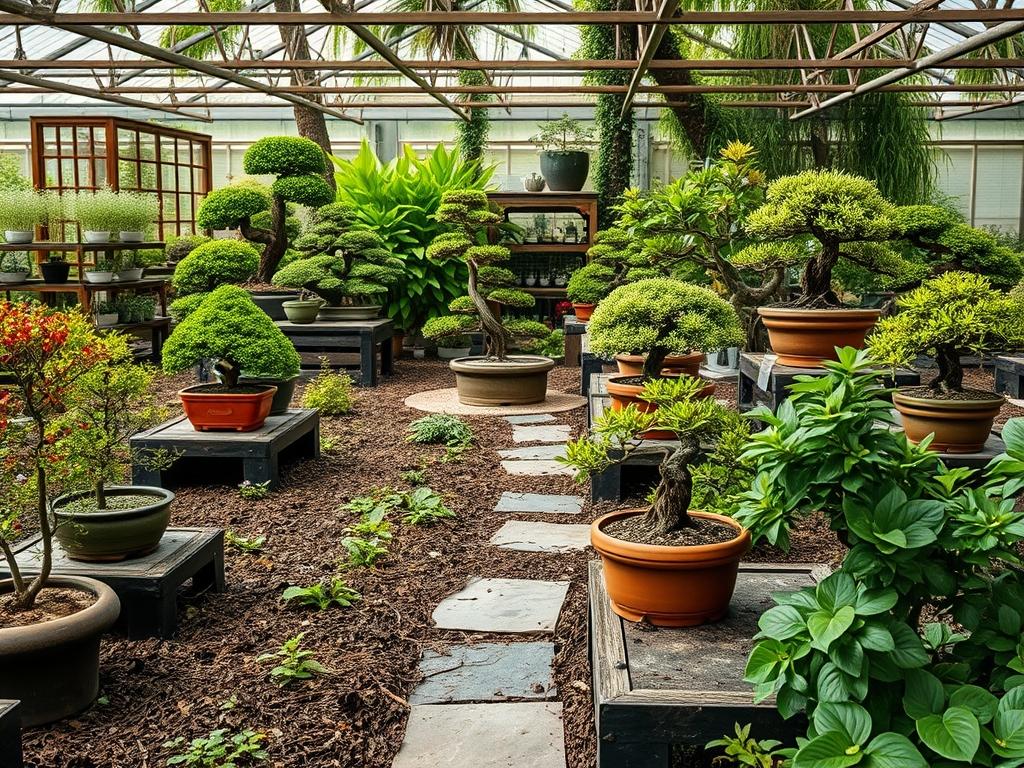
Designing professional Bonsai Display Areas requires a sophisticated understanding of both horticulture and architectural spatial planning. Unlike traditional garden beds where plants are integrated into the ground soil, a bonsai collection demands a gallery-like atmosphere that prioritizes visibility, accessibility, and environmental control. For the homeowner or commercial client, these areas serve as a bridge between the natural landscape and curated art. The challenge lies in creating a transition that feels organic yet provides the clinical precision necessary for the health of miniature trees. We must consider the microclimate of the specific site, as the small soil volume in a bonsai pot makes the tree highly susceptible to temperature fluctuations, wind desiccation, and solar radiation. A well-designed display area not only elevates the aesthetic value of the property but also ensures the longevity of the specimens by providing a stable, manageable environment. Success in this endeavor transforms a cluttered backyard into a high-end outdoor living space that functions as a private sanctuary.
Landscape Design Principles
When conceptualizing Bonsai Display Areas, the first principle to master is elevation. Bonsai are designed to be viewed at eye level to appreciate the intricate trunk movement, nebari (root flare), and branch structure. Incorporating various elevation layers through the use of retaining walls, raised benches, and tiered pedestals creates a dynamic visual flow. This prevents the display from looking flat and allows the architect to hide necessary infrastructure like irrigation lines and drainage pipes beneath the structures. Symmetry can be used for formal Japanese-style gardens, using pairs of trees to flank an entrance; however, an asymmetrical balance often feels more natural and allows for a more diverse collection.
Focal points are essential to guide the viewer through the space. A large, ancient Juniper or Japanese Maple might serve as the anchor of the garden, while smaller accent plants, known as kusamono, fill the interstitial spaces. Visual balance is achieved by contrasting the heavy, grounded nature of granite basins or stone lanterns with the airy, delicate foliage of the trees. Furthermore, the selection of walkways is critical for functionality. A path made of decomposed granite or irregular flagstone should lead the viewer on a deliberate journey, ensuring that every tree can be inspected closely without the viewer having to overreach or step into mulch beds.
Planning for irrigation and drainage is perhaps the most technical aspect of the design. Each tree in the display area likely has different water requirements based on its species and pot size. A professional layout includes a dedicated drip irrigation system with individual micro-emitters for each pot. This system must be discrete, often routed through the hollow centers of wooden posts or hidden behind fascia boards on the display benches. To manage runoff, the ground beneath the benches should be graded at a two percent slope toward a French drain or a bed of river rock to prevent standing water, which can attract pests and create unsightly algae.
Plant and Material Selection
| Plant Type | Sun Exposure | Soil Needs | Water Demand | Growth Speed | Maintenance Level |
| :— | :— | :— | :— | :— | :— |
| Japanese Black Pine | Full Sun | Well-drained, acidic | Moderate | Slow to Medium | High (Decandling) |
| Trident Maple | Partial Shade | Moisture-retentive | High | Fast | Moderate (Pruning) |
| Shimpaku Juniper | Full Sun | Inorganic, rocky | Low to Moderate | Slow | High (Wiring) |
| Chinese Elm | Full Sun/Part Shade | Universal mix | Moderate | Fast | Low (Hedge cutting) |
| Dwarf Boxwood | Part Shade | Alkaline to Neutral | Moderate | Very Slow | Low (Thinning) |
| Azalea (Satsuki) | Dappled Shade | Highly acidic (Kanuma) | Very High | Medium | High (Deadheading) |
Materials for the construction of Bonsai Display Areas must be chosen for durability and aesthetic synergy. Corten steel is an excellent choice for modern, industrial-themed gardens, as its weathered patina complements the bark of many deciduous trees. For a more traditional approach, Western Red Cedar or Ipe wood offers natural rot resistance and a warm color profile that ages gracefully into a silver-grey. Using 3-inch thick bluestone slabs for bench tops provides a stable, cooling surface that helps regulate pot temperature during the peak of summer.
Implementation Strategy
The implementation of a professional-grade display area begins with site grading and sub-grade preparation. Start by clearing the area of all turf and weeds, then excavate the top 4 inches of soil. Install a heavy-duty geotextile fabric to prevent weed intrusion and soil mixing. For the base layer, use crushed limestone or compacted gravel to create a stable foundation for the heavy benches and pedestals. This base also facilitates rapid drainage, which is vital for maintaining a clean environment around the trees.
Next, focus on the vertical elements. Install 4×4 pressure-treated posts at intervals no greater than 6 feet to prevent sagging of the display tiers. These posts should be set in concrete footings extending below the frost line to ensure they remain level over time. Once the framework is secure, install the headers and the display surfaces. Ensure that all surfaces have a slight, imperceptible tilt to allow rainwater to shed quickly. For the edging, use steel landscape edging or cobblestone to create a crisp border between the display area and the surrounding lawn or garden.
Finish the area by applying a 3-inch layer of decorative mulch or pea gravel around the base of the stands. This layer serves two purposes: it suppresses weeds and creates a splash-back barrier that prevents dirt from hitting the clean bonsai pots during heavy rain. Finally, integrate the low-voltage LED lighting. Position small path lights along the walkways and bullet spotlights beneath the most significant trees to highlight their silhouettes during the evening hours.
Common Landscaping Failures
One of the most frequent failures in designing Bonsai Display Areas is improper drainage. If the land is not graded correctly, water will pool at the base of the display stands, leading to wood rot and attracting mosquitoes. This stagnant water can also increase humidity to dangerous levels, fostering fungal diseases like powdery mildew. Another common error is failing to account for the “heat island” effect. Placing bonsai directly onto dark asphalt or unshaded concrete can cause the root systems to cook. Professional designs always use light-colored stones or elevated wooden slats to allow for air circulation beneath the pots.
Root overcrowding of the “companion” landscape plants is another issue. Often, designers plant aggressive native plants or ornamental grasses too close to the display benches. Over time, the roots of these plants can grow up into the drainage holes of the bonsai pots, stealing nutrients and clogging the drainage of the specimen tree. Furthermore, improper spacing between the trees themselves can lead to poor air circulation and lopsided growth as the trees compete for light. Every tree in the display area should have enough surrounding airspace to acknowledge its individual form.
Seasonal Maintenance
Seasonal management is the hallmark of a dedicated landscape architect. During the spring, the focus is on the “wake-up” phase. Re-apply a fresh layer of organic mulch and check all irrigation emitters for clogs caused by mineral buildup. This is also the time to apply a pre-emergent herbicide to the gravel areas to prevent summer weed growth. As temperatures rise in the summer, the implementation of 30 percent shade cloth may be necessary for delicate species like Japanese Maples. Ensure the automatic timers for the watering system are adjusted to account for increased evaporation rates.
In the autumn, the priority shifts to debris management. Falling leaves should be cleared daily from the display surfaces and the pots to prevent nitrogen spikes and pest nesting. Check all retaining walls for shifting caused by soil expansion. As winter approaches, the most critical task is protection. In colder climates, many bonsai must be moved from their high-profile display stands to the ground level or into a cold frame. For those remaining on display, wrapping the pots in burlap and applying a thick layer of pine straw can help insulate the roots. Winter is also the ideal time to perform structural repairs on the wooden benches and apply a fresh coat of penetrating oil sealer to protect against moisture.
Professional Landscaping FAQ
What is the ideal height for a bonsai display bench?
Most professional benches are built between 30 and 42 inches high. This range keeps the trees near eye level for a standing adult, allowing for easy inspection of the branches and facilitating comfortable daily maintenance without excessive bending.
How do I prevent my wooden display stands from rotting?
Use rot-resistant woods like Ipe, Cedar, or Teak. Ensure the end-grain of the wood is sealed and use stainless steel hardware. Maintaining a gap between the wood and the ground using concrete piers is essential for longevity.
Can I use a standard lawn sprinkler for my bonsai area?
Standard sprinklers are generally too imprecise and can damage delicate foliage or wash away topsoil. A dedicated micro-irrigation system or hand-watering with a fine-mesh wand is required to ensure even saturation without disturbing the specialized bonsai soil.
What is the best ground cover for under the benches?
A 2 to 4-inch layer of decorative stone, such as Mexican beach pebbles or crushed granite, is ideal. It provides excellent drainage, looks professional, and reflects light upward toward the lower branches of the trees.
How do I protect my display from high winds?
Incorporate a permeable windbreak such as a lattice fence or a row of tall evergreens. These structures break up the wind velocity without creating the turbulent air pockets that a solid wall might produce around your trees.