
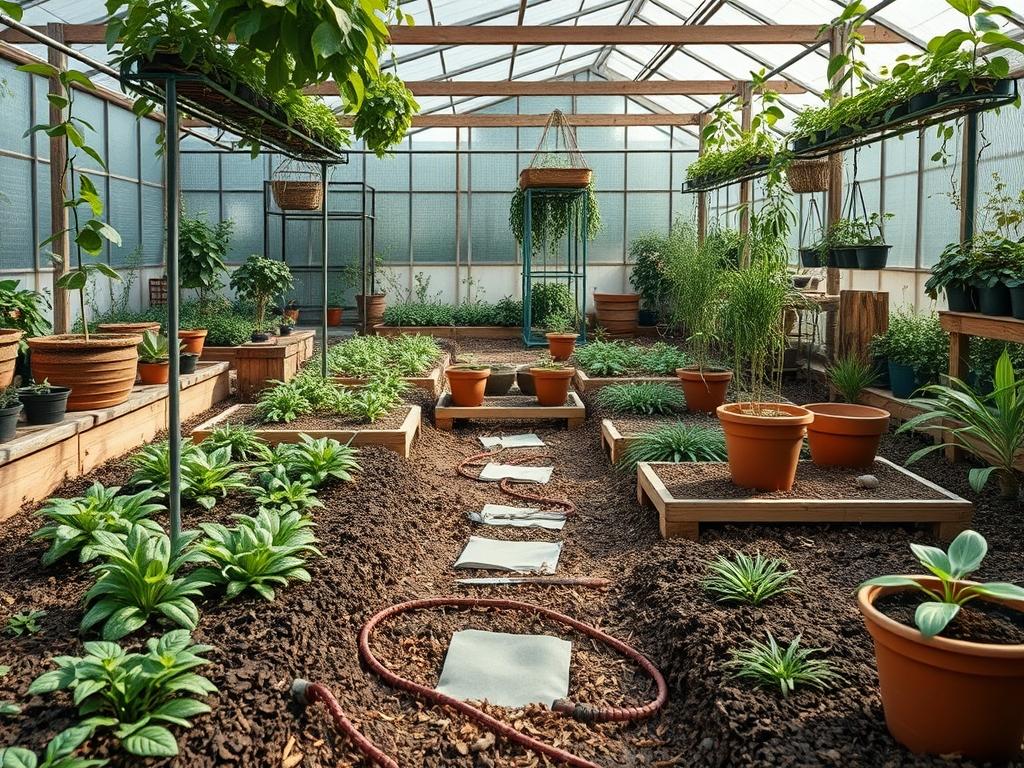
Designing an outdoor sanctuary requires a sophisticated understanding of how physical boundaries influence psychological states. Meditation Space Layouts are not merely aesthetic additions to a property; they are highly engineered environments that manage sensory input through deliberate site planning and biological integration. The primary landscape challenge lies in isolating the user from the distractions of the surrounding environment, such as traffic noise or visual clutter, while maintaining the structural integrity of the land. Climate considerations play a definitive role in this process. A layout that works in a humid subtropical zone will fail in an arid climate without significant adjustments to thermal mass and hydration systems. Furthermore, while these spaces are often private, their integration into the broader property enhances curb appeal by providing a structured, intentional transition from the public-facing facade to the intimate backyard retreat. A well executed meditation garden increases the functional square footage of a home by transforming underutilized corners into premium outdoor living areas.
Landscape Design Principles
The foundation of a successful meditation layout rests on the principle of controlled perspective. Symmetry is frequently used to provide a sense of order and predictability, which lowers the cognitive load on the observer. This does not require a rigid mirror image; rather, it suggests a balanced distribution of visual weight. Focal points are essential for grounding the practitioner. A stone basin, a large granite boulder, or a singular specimen tree like a Japanese Maple serves as an anchor for the eye. Elevation layers add depth and a sense of enclosure. By utilizing retaining walls or sunken seating areas, a designer can create a physical sense of “nesting” that provides emotional security.
Irrigation planning must be invisible yet omnipresent. Subsurface drip irrigation is preferred over surface sprayers to maintain the silence of the space and prevent water spotting on decorative hardscaping. Walkways should be designed to slow the pace of the individual. Using stepping stones spaced at 18 inch intervals forces a deliberate, mindful gait. Visual balance is achieved through the “rule of thirds,” ensuring that the height of the plantings is proportional to the width of the clearing. If a space is too enclosed, it feels claustrophobic; if it is too open, it feels exposed. The goal is to find the middle ground where the sky is visible but the immediate horizon is buffered by soft, green boundaries.
Plant and Material Selection
Selecting the right biological and mineral components is critical for long term sustainability. The following table outlines primary selections for a temperate meditation environment.
| Plant Type | Sun Exposure | Soil Needs | Water Demand | Growth Speed | Maintenance Level |
| :— | :— | :— | :— | :— | :— |
| Boxwood Shrub | Full to Partial | Well-drained | Moderate | Slow | Medium |
| Japanese Forest Grass | Partial to Shade | Rich, Humus | High | Moderate | Low |
| Lavender | Full Sun | Sandy, Alkaline | Low | Fast | Low |
| White Birch | Full Sun | Moist, Acidic | Moderate | Fast | High |
| Creeping Thyme | Full Sun | Gritty, Poor | Low | Moderate | Low |
| Maidenhair Fern | Deep Shade | Consistently Moist | High | Slow | Medium |
Implementation Strategy
The transition from a conceptual blueprint to a physical reality begins with professional grading. You must ensure that the site slopes away from the central meditation platform at a minimum 2 percent grade to prevent pooling. Once the “rough grade” is established, the placement of heavy hardscaping elements comes next. If you are installing a natural stone monolith, it must be anchored into a crushed stone base at least 6 inches deep to prevent shifting over time.
Edging provides the clean lines necessary for a meditative aesthetic. Use powder coated steel edging to create a crisp transition between decomposed granite paths and turf or mulch beds. For the ground cover within the planting beds, use a consistent 3 inch layer of dark hardwood mulch. This thickness is optimal for moisture retention and weed suppression without suffocating the root flares of the plants. Drainage should be handled via a French drain system if the area is at the bottom of a slope. This ensures that the meditation space remains dry and usable even after heavy rainfall. For the final layout, the “seating” area or platform should be constructed from durable materials like ipe wood or flagstone to withstand the elements while providing a level, stable surface for cushions or mats.
Common Landscaping Failures
The most frequent technical failure in Meditation Space Layouts is poor drainage. Even a beautiful space is useless if it becomes a mud pit after a storm. Surface water must have a clear exit path that does not cross the primary seating area. Another common mistake is root overcrowding. Designers often plant for “instant impact,” placing shrubs too close together. Within three years, the plants begin to compete for nutrients and light, leading to “leggy” growth and disease susceptibility. You must research the mature spread of every species.
Soil compaction is often overlooked during the construction phase. Heavy machinery moving across the site crushes the air pockets in the soil, preventing roots from breathing. Before planting, use a broadfork or tiller to aerate the ground. Improper spacing of stepping stones is a functional failure; if the gap is too wide or too narrow, it creates a tripping hazard rather than a mindful path. Finally, irrigation inefficiencies, such as misaligned sprinkler heads that soak wooden benches or stone statues, will lead to premature rot and mineral staining.
Seasonal Maintenance
Landscape management is a year round commitment that changes with the solar cycle. In the Spring, the focus is on rejuvenation. This is the time to apply a slow release fertilizer, prune away winter dieback using sharpened bypass pruners, and refresh the mulch layers. Check the irrigation controller to ensure all zones are functioning and that no lines were cracked during the freeze.
During the Summer, the priority shifts to hydration and pest management. Check for signs of heat stress and ensure that the drip emitters are placing water at the base of the plants rather than on the foliage. In Autumn, the landscape architect focuses on “putting the garden to bed.” This involves blowing out irrigation lines to prevent freezing, planting flowering bulbs for the following year, and clearing fallen leaves from permeable pavers to prevent staining and slippery surfaces. Winter is the time for structural maintenance. Inspect retaining walls for frost heave and perform “dormant pruning” on deciduous trees to maintain their silhouette. Keeping the paths clear of ice using calcium chloride rather than salt will protect the soil chemistry and the health of your plants.
Professional Landscaping FAQ
How do I choose the best location for a meditation space?
Look for a natural “niche” in your yard that offers existing shade and privacy. Ensure the area has stable soil and is far from noisy mechanical equipment like air conditioning condensers or pool pumps.
What is the ideal thickness for a stone patio base?
A professional installation requires a 4 to 6 inch base of compacted 3/4 inch minus crushed rock. This provides the necessary structural support to prevent the flagstone or pavers from cracking or settling unevenly over time.
Which plants are best for natural sound buffering?
Evergreens with dense foliage are the most effective. Species like Green Giant Arborvitae or Leyland Cypress provide a thick vertical wall that absorbs high frequency sound waves and creates a visual barrier for year round privacy.
How deep should my landscape edging be installed?
To effectively prevent grass rhizomes from migrating into your meditation garden, the metal edging should be buried at least 4 inches deep. This creates an underground physical barrier that reduces manual weeding significantly.
Does a meditation space require a professional drainage plan?
If your site has any noticeable slope or sits in a low spot, yes. A consultant will use a laser level to map the flow of water and may recommend a catch basin or a dry creek bed to manage runoff.