
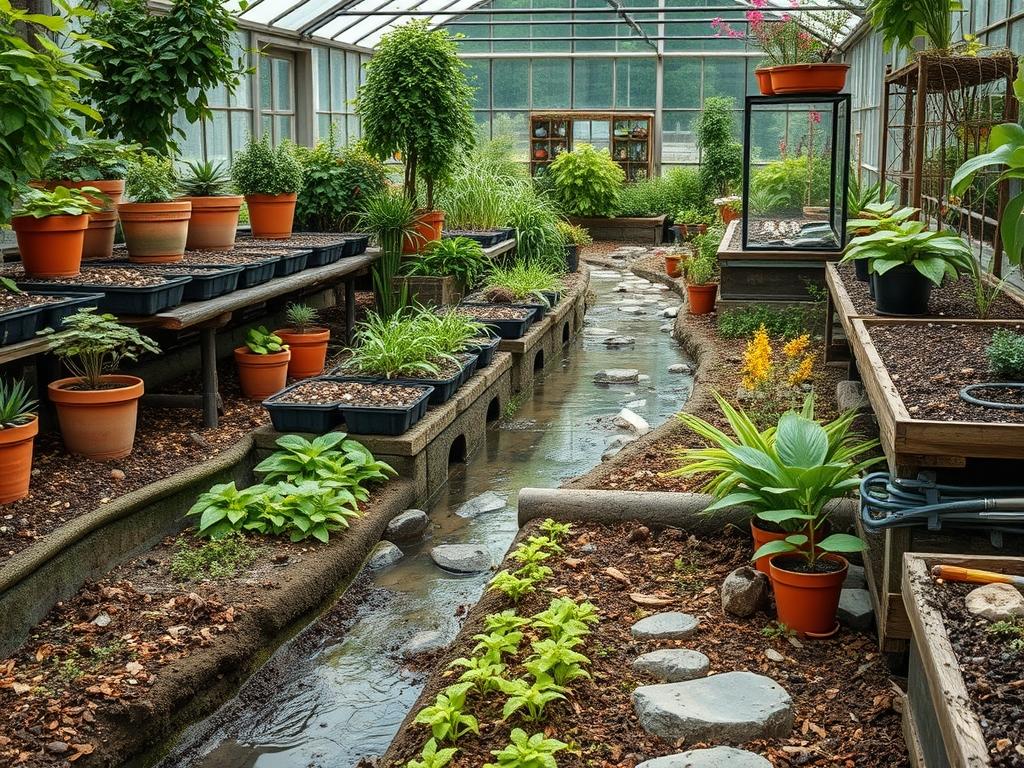
Navigating the transition between heavy rainfall and periods of drought requires a landscape that acts as both a sponge and a conduit. Stream bed landscaping serves this dual purpose, providing a sophisticated solution for managing stormwater while mimicking the rugged beauty of a natural watercourse. For many homeowners, a yard with erratic drainage or unsightly erosion gullies presents a significant design challenge. By implementing a dry or wet stream bed, you can transform these problem areas into high value assets that boost curb appeal and enhance the overall outdoor living experience. These features are not merely aesthetic additions; they are functional engineering projects that stabilize the soil, recharge groundwater, and create a sense of movement in an otherwise static garden.
Successful stream bed landscaping begins with a thorough site analysis. You must observe how water moves across the property during a storm and identify where it pools or creates ruts. In arid climates, a dry creek bed acts as a structural element that provides visual interest without the water requirements of a lawn. In temperate or tropical regions, the same feature can handle high volumes of runoff, directing it away from the foundation of the home toward a rain garden or a municipal drainage system. The goal is to create a landscape that feels intentional and integrated, where the stones, plants, and terrain work in harmony to define the outdoor environment.
Landscape Design Principles
Effective stream bed design relies on the principles of line, form, and scale. A common mistake is to create a perfectly straight channel, which often looks artificial and serves as a poor biological filter. Instead, the path should meander, curving around existing trees or artificial mounds to mimic the way water carves through a landscape. By varying the width of the bed, you create naturalistic pools and narrows. Narrower sections speed up the visual flow, while wider areas create a sense of tranquility and serve as perfect locations for larger focal points like a weathered limestone boulder or a sculptural piece of driftwood.
Elevation plays a critical role in the realism of the design. If the terrain is flat, you may need to use a skid-steer loader or a trenching spade to create artificial banks and depressions. Building up the edges with excavated soil, known as berming, allows you to plant at different heights, adding layers to the visual field. This verticality is essential for depth and prevents the stream bed from looking like a flat pile of rocks. Furthermore, integrating a walkway or a small timber bridge over the stream bed adds a sense of destination and encourages interaction with the garden.
Symmetry should generally be avoided in stream bed landscaping. Nature is asymmetrical. Position larger rocks in groups of three or five, and tuck smaller pea gravel or river jacks around their base to simulate natural siltation. Irrigation planning is also vital, even for dry stream beds. Drip lines should be hidden beneath the landscaping fabric and river rock to provide targeted hydration to the surrounding plants without causing surface erosion or promoting weed growth in the rock channel itself.
Plant and Material Selection
Choosing the right materials and flora determines the longevity and maintenance requirements of the installation. The stone used should reflect the local geology to ensure the feature looks like it belongs in its environment. Rounded river stones are ideal for the interior of the bed to suggest the smoothing effect of running water, while jagged riprap or fieldstone can be used on the banks to provide stability.
| Plant Type | Sun Exposure | Soil Needs | Water Demand | Growth Speed | Maintenance Level |
| :— | :— | :— | :— | :— | :— |
| Blue Flag Iris | Full Sun | Wet/Boggy | High | Fast | Moderate |
| Japanese Forest Grass | Part Shade | Rich/Moist | Medium | Slow | Low |
| Carex (Sedge) | Sun to Shade | Adaptable | Medium | Moderate | Low |
| Red Twig Dogwood | Full Sun | Moist/Clay | Medium | Fast | Moderate |
| Creeping Thyme | Full Sun | Well-Drained | Low | Moderate | Low |
| River Birch | Full Sun | Moist/Acidic | High | Fast | High |
| Little Bluestem | Full Sun | Dry/Lean | Low | Moderate | Low |
Implementation Strategy
The construction phase begins with precise grading. After marking the path with landscape marking paint, excavate the channel to a depth of at least 12 inches to 18 inches in the center. The sides should slope gently at a 3:1 ratio to prevent the banks from collapsing. Once the trench is dug, compact the soil using a plate compactor to prevent settling. Lay down a heavy duty non-woven geotextile fabric to serve as a weed barrier and to keep the stones from sinking into the dirt over time.
Securing the edges is the next step. Use steel edging or poured concrete curbs if a clean, modern look is desired, or use large anchor boulders for a more rustic appearance. When placing the stones, start with the largest pieces. Place these boulders at the bends and “cut banks” of the stream where water would naturally hit the hardest. After the large stones are set, fill in the gaps with medium sized cobbles and finally a layer of 1 inch to 3 inch river rock.
For wet stream beds, a 45 mil EPDM pond liner must be installed beneath the fabric to ensure the water stays within the system. If the stream bed is strictly for drainage, ensure the terminus is a well constructed dry well filled with crushed stone or a designated rain garden area. Finish the surrounding areas with 3 inches of shredded hardwood mulch to retain moisture for the perimeter plantings and to provide a clean contrast against the stone.
Common Landscaping Failures
One of the most frequent errors in stream bed landscaping is the “necklace effect,” where rocks of the same size are lined up in a single row along the edges. This creates a highly synthetic look that ruins the organic feel of the project. To avoid this, mix stone sizes and overlap them. Another significant failure is improper grading. If the bed is too shallow or lacks a consistent downward slope of at least 2 percent, water will stagnate, leading to mosquito breeding grounds and foul odors.
Root overcrowding and improper spacing of plants also lead to long term issues. It is tempting to plant densely for immediate impact, but a River Birch or Dogwood will quickly outgrow a cramped space, potentially upending the stone work with its root system. Always research the mature spread of your chosen species and provide a minimum of 24 inches to 48 inches of clearance from the main stone channel. Furthermore, failing to address soil compaction before planting will result in stunted growth and poor drainage, as the roots struggle to penetrate the hardened earth.
Seasonal Maintenance
Landscape management is a year round commitment that changes with the weather. In the spring, the focus should be on debris removal. High winds and winter runoff often deposit leaves and silt into the stream bed. Use a leaf blower or a stiff-bristled broom to clear the stones. This is also the time to apply a pre-emergent herbicide to prevent weed seeds from germinating in the rock gaps and to inspect the irrigation emitters for clogs.
Summer maintenance involves monitoring the water demand of the perimeter plants. During heat waves, even drought tolerant species like Little Bluestem may require supplemental watering. If the stream bed is a functional wet system, check the submersible pump and filters weekly to ensure clear water flow. In autumn, the primary task is managing leaf fall. If leaves are left to decay in the stream bed, they create organic sludge that fosters weed growth and blocks drainage. Installing a temporary fine mesh netting over the bed during the peak of the leaf drop can save hours of labor. Winter management is largely hands off, though you should ensure that heavy snow piles from shoveling do not collapse the banks or damage the shrubbery structure.
Professional Landscaping FAQ
How deep should a dry stream bed be?
A functional dry stream bed should be excavated to a depth of 12 inches to 18 inches in the center. This allows for a deep bed of drainage stone and ensures the feature can handle significant storm runoff without overflowing.
What is the best stone for a natural look?
A mix of river rock, smooth cobbles, and weathered boulders provides the most realistic appearance. Using varied sizes, from 2 inches to 24 inches, mimics natural geological sorting found in wild creek beds and prevents a synthetic look.
Do I need a permit for a stream bed?
Requirements vary by municipality. If your stream bed connects to a city storm drain or alters the natural flow of water onto a neighbor’s property, you may need a grading permit or an environmental impact assessment from local authorities.
How do I prevent weeds in the rocks?
Install a high quality non-woven geotextile fabric beneath the stones. This prevents soil migration while allowing water to permeate. Regularly removing organic debris like leaves and applying a seasonal pre-emergent will also significantly reduce weed growth between the river stones.
Can I build a stream bed on a steep slope?
Yes, but it requires check dams or weir stones to slow the water velocity. Without these structural interruptions, high speed runoff will wash away smaller pea gravel and eventually erode the banks, undermining the entire landscape installation.