
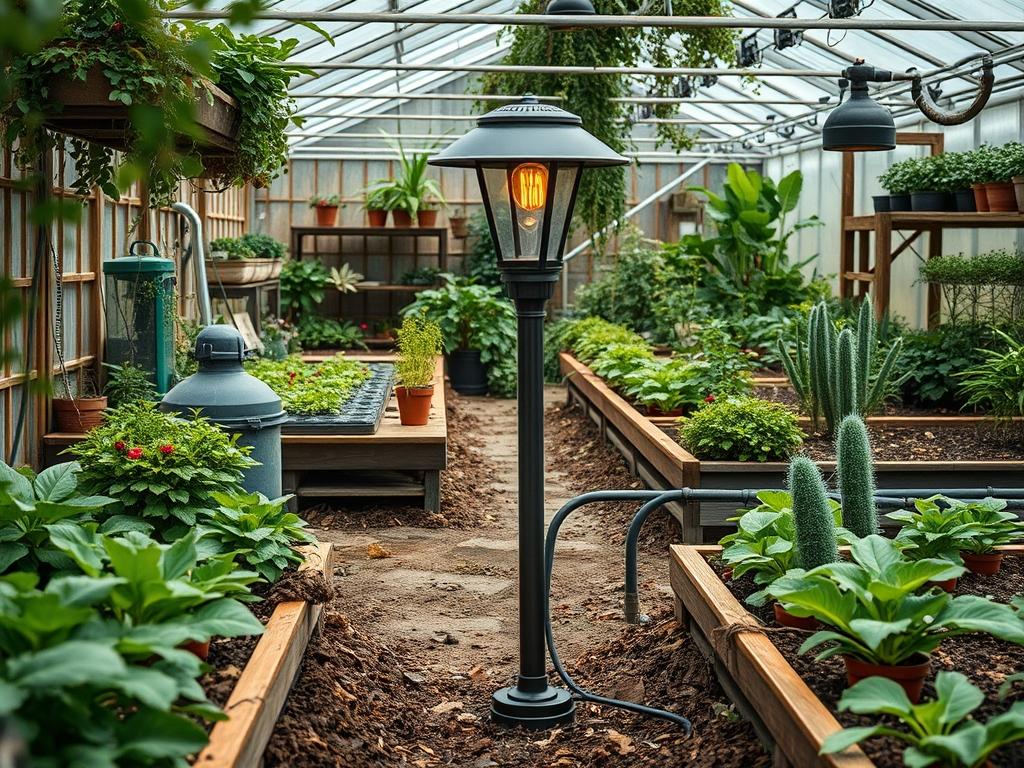
Designing a landscape requires a sophisticated understanding of how light, shadow, and structure interact across the four seasons. A successful outdoor environment serves as an extension of the interior living space, providing a seamless transition from the curated comfort of the home to the raw beauty of the natural world. Modern homeowners often struggle to balance functional illumination with aesthetic grace, which is where the integration of a high quality Solar Garden Torch Top becomes indispensable. These fixtures offer a sustainable way to define boundaries, highlight architectural features, and provide safety without the logistical nightmare of trenching for high voltage electrical lines. When we approach a new project, we prioritize curb appeal and functionality, ensuring that the property remains inviting long after the sun sets. The strategic placement of lighting transforms a flat, dark yard into a multi dimensional sanctuary, guiding guests along walkways and drawing eyes toward specific botanical specimens or water features.
The climate of your specific region will dictate the materials and plants used, but the principles of light remain constant. In arid environments, the crisp glow of a Solar Garden Torch Top reflects beautifully off Decomposed Granite and Succulents, while in lush, temperate zones, the flickering flame effect mimics the warmth of a traditional campfire among Ferns and Hostas. A landscape architect must look beyond the immediate visual impact and consider long term maintenance and sustainability. By opting for solar technology, you reduce the carbon footprint of your estate while maintaining the flexibility to move lights as your garden matures. This adaptability is crucial because a landscape is a living, breathing entity that changes in volume and height each year.
Landscape Design Principles
Successful landscape architecture relies on the foundational concepts of symmetry and visual balance. When we plan a site, we look for focal points that anchor the viewer’s attention. A seasoned designer might use a Japanese Maple or a large Basalt Fountain to center a courtyard. Surrounding these anchors with a Solar Garden Torch Top creates a vertical layer of light that prevents the ground plane from feeling disconnected from the canopy. Elevation layers are equally important; by varying the height of plantings and hardscaping elements like Retaining Walls, we create a sense of depth and mystery.
Walkways should never be an afterthought. They are the circulatory system of the garden, guiding movement and pace. Using Flagstone or Pavers to create a winding path encourages slow exploration, while straight lines indicate a more formal, direct approach. We often utilize lighting to mark transitions, such as a change in elevation or the entrance to a secluded seating area. Irrigation planning must also be integrated early in the design phase. A well placed Drip Irrigation System ensures that water reaches the root zones of your Ornamental Grasses and Flowering Shrubs without wasting resources or causing erosion. By harmonizing these structural elements with light and water, we create a balanced ecosystem that feels both intentional and organic.
Plant and Material Selection
Selecting the right biological and mineral components is the difference between a thriving garden and a constant struggle against nature. The following table outlines several reliable species that pair exceptionally well with modern lighting schemes.
| Plant Type | Sun Exposure | Soil Needs | Water Demand | Growth Speed | Maintenance Level |
| :— | :— | :— | :— | :— | :— |
| Lavender | Full Sun | Well drained, Sandy | Low | Medium | Low |
| Boxwood | Full to Partial | Loamy, Moist | Moderate | Slow | Medium |
| Golden Bamboo | Full to Partial | Rich, Moist | High | Fast | High |
| Blue Fescue | Full Sun | Poor to Average | Low | Medium | Low |
| Hydrangea | Partial Shade | Rich, Humus | High | Moderate | Medium |
| Agave | Full Sun | Rocky, Porous | Very Low | Slow | Low |
For hardscaping materials, we recommend Crushed Limestone or River Rock for drainage areas. If you are installing a Solar Garden Torch Top, ensure the surrounding ground is stabilized with Landscape Fabric and a 2-inch layer of Hardwood Mulch to suppress weeds and retain moisture. These materials provide a clean, professional finish that highlights the sleek profile of modern lighting fixtures.
Implementation Strategy
The transition from a blueprint to a finished garden requires a disciplined implementation strategy. The process begins with Grading, which is the most critical step for long term site health. You must ensure that the land slopes away from the home at a minimum of 2 percent to prevent water from pooling near the foundation. Once the grade is established, define your borders using Steel Edging or Bender Board to create crisp, clean lines between the turf and the planting beds.
Next, focus on your lighting layout. Before permanently installing any Solar Garden Torch Top, place them temporarily to observe how the shadows fall at night. You want to avoid “hot spots” where too much light is concentrated in one area. Instead, aim for a rhythmic spacing, perhaps every 6 to 8 feet along a primary path. After the lighting is positioned, install your larger Specimen Trees and Shrubs, followed by the smaller perennials and groundcovers. Finally, apply a 3-inch layer of Organic Mulch. This depth is ideal for regulating soil temperature while allowing the solar collectors on your torches to remain unobstructed by tall foliage.
Common Landscaping Failures
Many DIY projects fail due to a lack of foresight regarding drainage and growth patterns. The most common mistake is improper Drainage, which leads to “root rot” and the eventual death of expensive plants. If water has nowhere to go, it will stagnate, turning your garden into a swamp. Another frequent error is root overcrowding. It is tempting to plant items close together for immediate fullness, but you must respect the mature width of your plants. A Leyland Cypress that looks small today will eventually require a 15-foot spread.
Soil compaction is another silent killer. During construction, heavy machinery or even consistent foot traffic can crush the air pockets in the soil, preventing oxygen from reaching the roots. We recommend using an Aerator or adding Perlite to improve soil structure. Additionally, many homeowners fail to account for the charging needs of their Solar Garden Torch Top. Placing these units under a heavy tree canopy or a deep eave will result in dim performance. Ensure your solar panels receive at least 6 hours of direct sunlight to maximize their nighttime output.
Seasonal Maintenance
A professional landscape requires year round attention to remain in peak condition. In the Spring, focus on rejuvenation. Prune away any winter dieback with Bypass Pruners and apply a slow release Fertilizer to stimulate new growth. This is also the time to clean the collectors on your Solar Garden Torch Top using a damp Microfiber Cloth to remove pollen and dust buildup.
During the Summer, irrigation management is paramount. Increase the frequency of your watering schedule during heat waves, preferably in the early morning to minimize evaporation. Monitor for pests like Aphids or Spider Mites. In the Autumn, begin the cleanup process by raking fallen leaves, which can smother the lawn if left unchecked. Cut back spent perennials and prepare your irrigation system for winterization by blowing out the lines. Finally, in the Winter, protect sensitive plants with Frost Blankets and check that your solar lighting is still receiving enough light during the shorter days. If you live in an area with heavy snow, clear the tops of your torches to ensure they can still charge.
Professional Landscaping FAQ
How do I choose the best spot for solar torches?
Locate areas that receive at least six hours of unobstructed sunlight daily. Avoid placing them directly under large eaves or dense tree canopies. For the best aesthetic effect, space them evenly along paths or near focal points to create rhythmic lighting.
What is the ideal mulch depth for new beds?
Maintain a depth of two to three inches. This thickness is sufficient to suppress weed growth and retain soil moisture without suffocating the roots of your plants. Avoid piling mulch against the trunks of trees, which can lead to bark decay.
How can I fix poor soil drainage?
Incorporate Organic Matter or Sand to improve porosity. For severe cases, install a French Drain or create a Dry Creek Bed using River Rock. Proper grading to ensure a 2 percent slope away from structures is also essential for water management.
Do solar lights work well in the winter?
Yes, though their duration will be shorter due to decreased daylight. Keep the Solar Garden Torch Top panels clear of snow and ice. The cold weather does not damage the LED components, but battery efficiency may slightly decrease in extreme freezing temperatures.
How often should I prune my ornamental shrubs?
Most shrubs benefit from once a year pruning, typically in late winter or early spring before new growth begins. Use sharp Pruning Shears to make clean cuts. Always remove dead, damaged, or diseased wood first to maintain the overall health of the plant.