
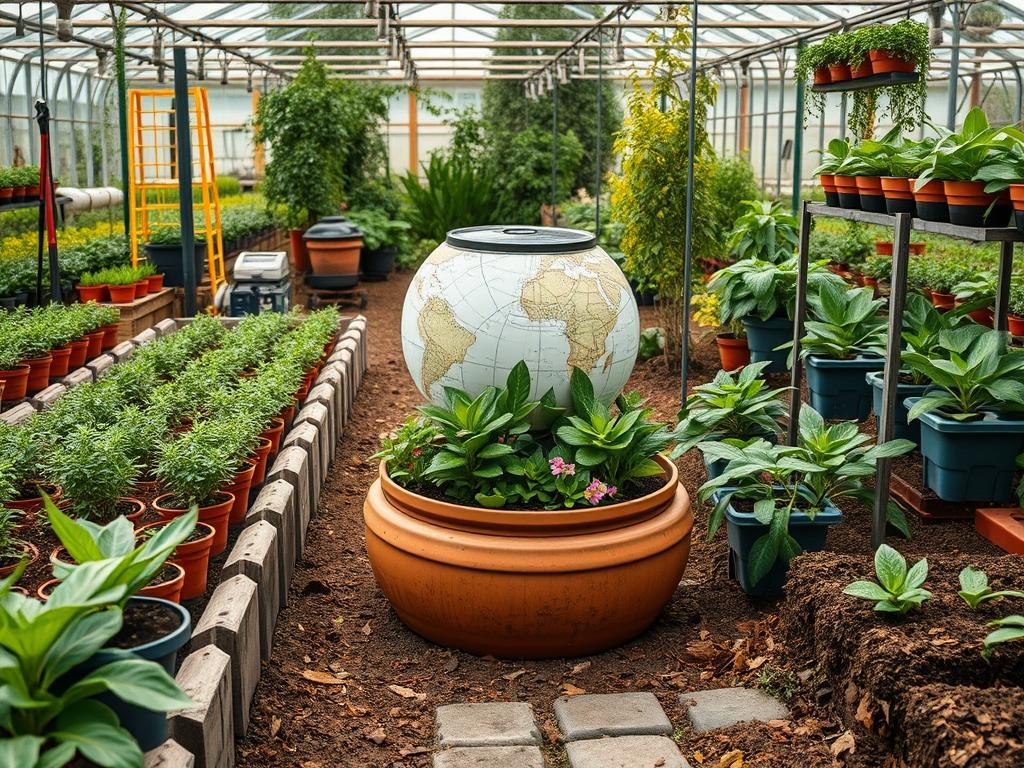
Modern landscape architecture often faces the dual challenge of providing functional illumination while maintaining an organic, aesthetic flow within a residential or commercial property. The integration of a solar garden globe top design offers a sophisticated solution to this problem, effectively bridging the gap between hardware and nature. Homeowners frequently struggle with curb appeal during the evening hours, as beautiful gardens disappear into the shadows, losing their architectural impact and safety features. By utilizing high quality solar components, designers can create a nocturnal environment that is both energy efficient and visually compelling. These lighting elements act as luminous anchors, guiding the eye through various zones of the outdoor space while requiring no complex electrical trenching. This approach is particularly valuable in regions with high solar gain, where daylight storage is maximized to ensure consistent performance throughout the night.
The placement of a solar garden globe top must be deliberate, considering both the physical structure of the garden and the specific microclimate of the site. In areas prone to heavy precipitation or extreme temperature fluctuations, the choice of materials for the globe housing and the quality of the internal photovoltaic cells are paramount. Beyond simple aesthetics, these units serve a critical function in defining the edges of walkways, highlighting elevation changes, and providing a sense of depth in flat landscapes. A well executed lighting plan does not merely brighten a space; it sculpts the environment, creating layers of light that emphasize the texture of foliage and the geometry of hardscaping. When these spherical luminaries are positioned at varying heights, they mimic the natural distribution of light, avoiding the harsh glare associated with high voltage floodlights.
Landscape Design Principles
Effective landscaping relies on fundamental principles that ensure the finished environment feels cohesive and intentional. Symmetry plays a vital role in formal entryways, where a matched pair of solar garden globe top units can frame a front door or a driveway gate, establishing an immediate sense of order and prestige. Conversely, in more informal or naturalistic gardens, these lights should be placed asymmetricaly to create a sense of discovery. By treating the solar globe as a focal point, the designer can draw visitors toward specific features, such as a specimen tree or a quiet seating nook.
Elevation layers are another critical consideration in professional site planning. A flat garden often feels monotonous, so architects incorporate raised beds, retaining walls, and tiered plantings to add vertical interest. Positioning a solar garden globe top at different heights, perhaps one on a low stone wall and another on a taller pedestal, creates a three dimensional light field. This technique helps to define the volume of the space rather than just its perimeter. Furthermore, visual balance must be maintained to prevent the garden from feeling cluttered. The soft, diffused light of a globe top design provides a calming counterbalance to the sharp lines of modern architecture or the rugged texture of a dry stack stone wall.
Plant and Material Selection
Choosing the right flora to surround your lighting elements is essential for long term health and visual impact. The following table outlines recommended species that complement the soft glow of solar globes while thriving in various conditions.
| Plant Type | Sun Exposure | Soil Needs | Water Demand | Growth Speed | Maintenance |
| :— | :— | :— | :— | :— | :— |
| Boxwood (Buxus) | Full Sun to Shade | Well-Drained | Medium | Slow | Low |
| Lavender (Lavandula) | Full Sun | Sandy, Gritty | Low | Medium | Medium |
| Hostas (Hosta spp.) | Shade | Rich Loam | Medium | Fast | Low |
| Blue Fescue (Festuca) | Full Sun | Well-Drained | Low | Medium | Low |
| Purple Coneflower | Full Sun | Varied | Low | Fast | Low |
| Japanese Maple | Partial Shade | Slightly Acidic | Medium | Slow | Medium |
When selecting hardscaping materials, consider using crushed granite, river rock, or premium cedar mulch to provide a clean base for your lighting fixtures. Natural stones with a light color palette will reflect the solar globe illumination, enhancing the overall brightness without increasing energy consumption.
Implementation Strategy
The successful installation of a comprehensive garden layout begins with proper site grading. Before any plants or lights are placed, the ground must be sloped away from building foundations at a minimum of two percent to ensure adequate drainage. Once the grade is established, use a marking spray or layout strings to define the shapes of garden beds and the locations of primary hardscaping features. Permanent edging, such as heavy duty steel or composite bender board, should be installed to prevent grass encroachment and to keep mulch neatly contained.
For the solar garden globe top units, stability is key. If you are placing them on posts, ensure the posts are set in concrete footings or anchored deeply enough to resist wind and frost heave. If the globes are ground mounted, clear a small area of debris and use a leveled paver stone as a base to prevent the unit from sinking into soft soil over time. Apply organic mulch to a depth of precisely three inches throughout the beds, keeping it a few inches away from the stems of plants and the base of light fixtures to prevent rot and moisture buildup. This layer regulates soil temperature and suppresses weed growth, allowing the aesthetic features of the garden to remain the primary focus.
Common Landscaping Failures
One of the most frequent mistakes in outdoor design is poor drainage planning. Water that pools around the base of a solar garden globe top can damage the housing or lead to soil compaction that smothers plant roots. If the site has heavy clay soil, a french drain or a dry creek bed may be necessary to move excess water away from the feature areas. Another common issue is root overcrowding, which occurs when plants are placed too close together in an attempt to make the garden look “full” immediately. Over time, these plants compete for nutrients and water, leading to stunted growth and increased susceptibility to pests. Always follow the spacing recommendations for each species, using the solar lights to fill the visual gaps until the plants reach maturity.
Improper irrigation design also leads to significant failures. Standard spray heads often hit the solar panels of the globe tops, leaving mineral deposits that block sunlight and reduce charging efficiency. A drip irrigation system is far superior, as it delivers water directly to the root zone and keeps the lighting hardware dry. Finally, failing to consider the mature height of shrubs can lead to a situation where the foliage eventually obscures the solar garden globe top, rendering it useless. Professional planners always account for the “ten year size” of every specimen in the drawing.
Seasonal Maintenance
To keep a landscape looking professional, a structured maintenance schedule is mandatory. During the spring, focus on pruning dead wood from shrubs and dividing perennials that have become overgrown. This is also the time to clean the photovoltaic panels on your solar garden globe top with a soft damp cloth, ensuring maximum energy absorption for the longer days ahead. In the summer, monitor soil moisture levels closely, especially for younger plants, and check that the lighting units are receiving at least six hours of direct sunlight as the tree canopy thickens.
Autumn requires a shift toward leaf management and soil health. Rake leaves away from the light sensors to prevent the globes from turning on prematurely or failing to charge. Applying a fresh layer of bark mulch before the first frost will protect root systems from temperature spikes. In winter, many solar designs should be checked for snow accumulation. If your region experiences heavy snowfall, consider elevating the solar garden globe top on a taller mounting to keep it above the snow line. Periodically checking the battery terminals for corrosion will extend the life of the units significantly, ensuring they remain functional for many seasons.
Professional Landscaping FAQ
How much sunlight does a solar garden globe top require?
Most high quality units require six to eight hours of direct, unobstructed sunlight to achieve a full charge. Shadows from buildings or dense tree canopies will significantly reduce the run time and brightness of the LED during the evening.
What is the best way to prevent weeds around solar fixtures?
Install a commercial grade landscape fabric topped with three inches of wood mulch or decorative stone. This barrier blocks sunlight from reaching weed seeds while allowing water and nutrients to permeate the soil for your desired plantings.
Can solar globe lights stay out during the winter?
Yes, provided they are rated for outdoor use and freezing temperatures. However, you must keep the solar panels clear of snow and ice. In extremely cold climates, battery efficiency may temporarily decrease until the weather warms.
Why is grading important for garden lighting?
Proper grading prevents water from pooling around the base of your fixtures. Standing water can cause soil instability, lead to the leaning of light posts, and potentially compromise the weather seals on the underside of the solar globe housing.
How do I choose the right height for my solar globes?
Consider the mature height of surrounding plants. Use taller pedestals for globes placed behind shrubs to ensure they remain visible. Lower, ground level placements are ideal for highlighting path textures or groundcover such as creeping thyme.