
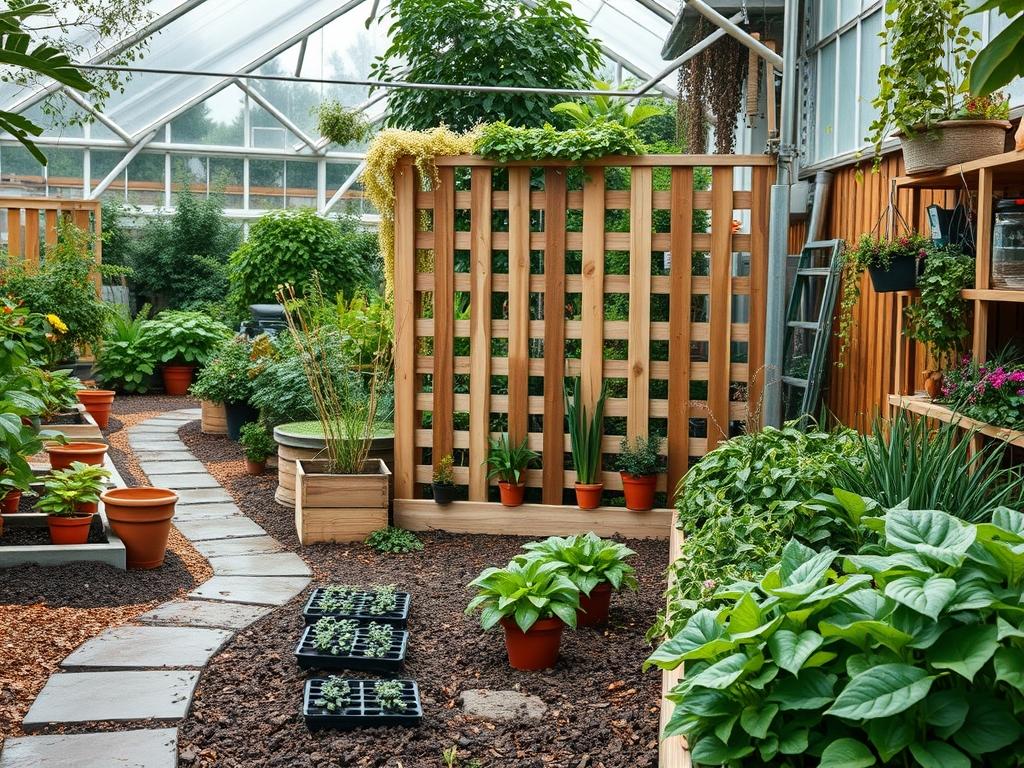
Creating a cohesive outdoor environment requires a sophisticated understanding of how structural boundaries and biological elements interact. The challenge often lies in more than just selecting aesthetically pleasing greenery; it involves managing the microclimate created by your property lines. When a high-quality Backyard Privacy Fence Top is installed, it changes the way wind moves through the lot and how shadows fall across your planting beds. These structural additions provide the necessary seclusion for modern living, but they also serve as the architectural backdrop for your entire horticultural scheme. A successful landscape architect views the perimeter not as a hard stop, but as a vertical plane that can be softened with texture, light, and layered vegetation to increase curb appeal and property value.
Functionality in a modern backyard must balance human utility with environmental stewardship. This means considering how a Backyard Privacy Fence Top interacts with existing drainage patterns. If a fence or wall is installed without considering the natural flow of runoff, the restricted movement can lead to stagnant water or soil erosion at the base of the structure. We must design with the long-term health of the site in mind, ensuring that the transition from hardscape to softscape is seamless and resilient. Every decision, from the placement of a retaining wall to the depth of a mulch layer, should contribute to a space that feels intentional and integrated rather than fragmented.
Landscape Design Principles
Symmetry and proportion provide the foundation for a professional-grade landscape. When working with a defined perimeter, such as one bounded by a Backyard Privacy Fence Top, designers often use the principle of rhythm to draw the eye along the length of the property. This involves repeating specific plant forms or colors at regular intervals to create a sense of order. However, strict symmetry can sometimes feel clinical. To counter this, landscape architects introduce focal points such as a large Specimen Oak or a sculptural stone water feature. These elements break the visual monotony and provide a destination for the viewer’s gaze, effectively making a small space feel significantly larger.
Elevation layers are equally critical in modern design. A flat backyard often feels uninspired, so we utilize topsoil mounds and retaining walls to create tiered interest. By raising planting beds by 18 inches to 24 inches, we can bring smaller, more intricate plants closer to eye level while simultaneously solving minor grading issues. These layers also allow for better drainage within the root zones of sensitive species. Behind these layers, the Backyard Privacy Fence Top acts as the highest elevation point, providing a dark or neutral contrast that makes the greens of the foliage pop.
Visual balance is achieved through the careful management of mass and void. The “void” is your open lawn or patio area, while the “mass” consists of your tree canopies and shrub thickets. In a well-planned garden, these two forces dance together to create comfortable outdoor rooms. Irrigation planning must be integrated into this stage. Using a drip irrigation system ensures that water is delivered precisely to the root zones of the mass areas without wasting resources on the voids. This level of precision is what separates a DIY project from a professionally curated environment.
Plant and Material Selection
The following table outlines high-performance plant species that pair exceptionally well with modern privacy structures.
| Plant Type | Sun Exposure | Soil Needs | Water Demand | Growth Speed | Maintenance Level |
| :— | :— | :— 😐 :— | :— | :— |
| Thuja Green Giant | Full Sun | Well-drained | Moderate | Fast | Low |
| Boxwood ‘Winter Gem’ | Partial Shade | Loamy | Medium | Slow | Moderate |
| Japanese Maple | Dappled Sun | Acidic | High | Slow | High |
| Switchgrass | Full Sun | Sandy/Clay | Low | Fast | Low |
| Skip Laurel | Partial Sun | Moist/Rich | Moderate | Moderate | Moderate |
| Hydrangea Macrophylla | Shade/Morning Sun | Rich/Humus | High | Fast | Moderate |
When choosing materials for the floor of your garden, consider the longevity of pea gravel, slate pavers, or hardwood mulch. For high-traffic walkways, 2 inch thick flagging stones set in a bed of leveling sand provide a stable and attractive path. The choice of native plants is paramount because they are already adapted to local rainfall patterns and soil chemistry. This reduces the need for chemical fertilizers and excessive supplemental watering.
Implementation Strategy
The first step in any professional installation is a thorough site analysis. Use a laser level to determine the high and low points of the yard. This data informs your grading strategy; you must ensure the ground slopes away from your home foundation at a rate of at least 2 percent. Once the grade is established, map out your irrigation lines and electrical conduits for landscape lighting. It is significantly more expensive to trench for these utilities after the plants and Backyard Privacy Fence Top are in place.
Edge definition is the hallmark of a clean design. Use a half-moon edger or a power edger to create deep, vertical trenches between the lawn and the planting beds. This prevents turf grass from creeping into your ornamental areas. Within the beds, apply a 3 inch layer of shredded bark mulch. This depth is optimal because it suppresses weeds and retains moisture without suffocating the roots of your shrubs. If you are installing a retaining wall, ensure you use a perforated drain pipe wrapped in filter fabric behind the wall to prevent hydrostatic pressure from causing a structural failure.
When it is time to plant, dig holes that are 2 times as wide as the root ball but no deeper than its height. Setting a plant too deep is one of the most common causes of trunk rot. Use a transplant fertilizer high in phosphorus to encourage root establishment. For larger trees, use staking kits with flexible straps to provide support during the first growing season, especially if the wind catch from the Backyard Privacy Fence Top creates a localized tunnel effect.
Common Landscaping Failures
The most frequent mistake in residential landscaping is improper drainage management. Homeowners often install beautiful gardens only to find them flooded after the first heavy rain. Without a French drain or a designated rain garden to collect and disperse runoff, water will sit against the base of your Backyard Privacy Fence Top, leading to wood rot or masonry efflorescence. Always plan for where the water will go before you decide where the plants will go.
Root overcrowding is another significant issue. It is tempting to plant shrubs close together to achieve instant privacy, but this leads to competition for nutrients and poor airflow. Over time, the lack of circulation encourages fungal diseases like powdery mildew. Follow the spacing recommendations on plant tags strictly; a shrub that looks small in a 3 gallon pot can easily reach a 10 foot spread within five years. Additionally, soil compaction from heavy machinery during construction can kill a garden before it starts. Use a tilling machine or a broadfork to aerate the soil and incorporate organic matter like compost before planting.
Seasonal Maintenance
Spring is the season for renewal and preparation. This is when you should conduct a full inspection of your irrigation system to check for leaks or clogged emitters. Apply a pre-emergent herbicide to prevent weed seeds from germinating and use bypass pruners to remove any winter-damaged branches from your shrubs. This is also the best time to refresh your mulch layers to ensure they are at the proper 3 inch depth for the coming heat.
Summer maintenance focuses on water management and pest control. During periods of extreme heat, monitor your plants for signs of wilt. Deep, infrequent watering is better than shallow, daily misting because it encourages roots to grow deeper into the cool earth. In autumn, the focus shifts to cleanup and protection. Rake leaves to prevent them from smothering the grass and apply a slow-release fertilizer to help perennial plants store energy for the winter.
Winter is the time for structural work. Since many plants are dormant, you can perform heavy pruning on deciduous trees to improve their architecture. It is also the ideal season to inspect the Backyard Privacy Fence Top for any necessary repairs or staining. Checking for soil heaving around your retaining walls after a freeze-thaw cycle will help you catch potential structural issues before they become catastrophic in the spring.
Professional Landscaping FAQ
How often should I water new native plants?
Native plants require consistent moisture during their first year. Use a soaker hose for 30 minutes twice a week. Once established, they typically survive on natural rainfall, though supplemental water is needed during extreme summer droughts or extended dry spells.
What is the best way to prevent weeds in large beds?
A combination of landscape fabric and a thick 3 inch layer of organic mulch is most effective. Ensure the fabric is pinned securely with landscape staples to prevent shifting. Hand-pulling small outbreaks early prevents them from seeding into the soil.
How do I choose between a retaining wall and a slope?
Use a retaining wall if you need to maximize usable flat space in a small yard. A natural slope is better for larger properties where erosion control can be managed with groundcover plants like Creeping Juniper or Vinca Minor.
Can I plant trees near my privacy fence?
Yes, but you must consider the mature canopy width. Plant small ornamental trees at least 5 feet away from a Backyard Privacy Fence Top to allow for maintenance access and to prevent branches from damaging the structural integrity of the fence.
What tool is best for maintaining clean garden edges?
A manual spade works for small areas; however, a gas-powered edger provides the cleanest, deepest line for large estates. Keeping a sharp edge prevents turf from encroaching and maintains the professional, high-end look of your modern backyard design.