
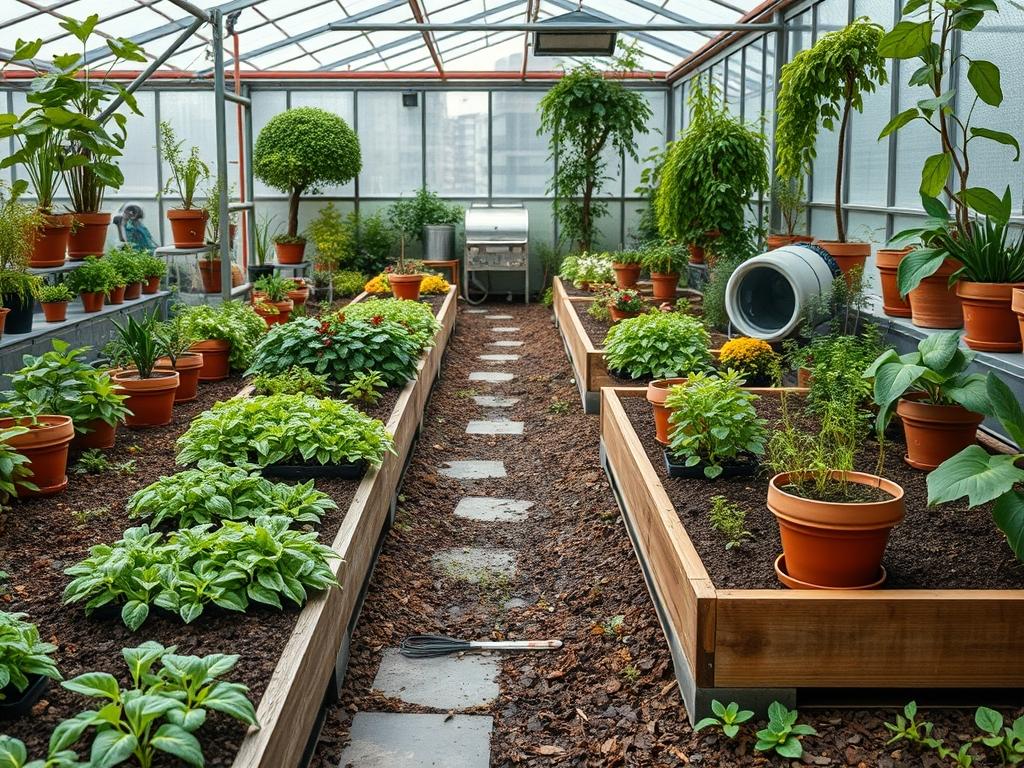
Converting a barren skyscraper roof into a functional sanctuary requires more than just a few potted plants and a folding chair. Urban rooftop landscaping demands a rigorous understanding of structural engineering, horticultural resilience, and spatial psychology. In the concrete jungle, the rooftop is often the only accessible outdoor environment for residents. This space must solve several problems simultaneously. It must mitigate the urban heat island effect, manage intense wind sheer, and provide a sense of privacy in a dense environment. Successful designs elevate the property’s curb appeal and market value while serving as a vital ecosystem for local pollinators. Before the first bag of lightweight soil is lifted, a designer must consider the unique microclimate of the site. High altitudes offer increased solar radiation and wind speeds that can desiccate foliage in hours. Therefore, the goal of urban rooftop landscaping is to balance aesthetic luxury with the hard realities of high-altitude exposure and weight limitations.
Landscape Design Principles
Effective urban rooftop landscaping relies on the principle of symmetry to create a sense of order amidst the chaotic city skyline. By mirroring elements like built-in planters or decorative screens, a designer can anchor the space. Focal points are equally crucial. A well-placed gas fire table or a singular multi-stem specimen tree draws the eye and defines the purpose of the outdoor room. Without these anchors, a rooftop can feel cluttered and aimless.
Elevation plays a dual role in urban design. Creating raised platforms or tiered decking allows for the installation of deep-root planters while masking unsightly utilities like HVAC units or vents. These layers also provide various vantage points to appreciate the surrounding view. Irrigation planning is the most critical technical component. Standard manual watering is rarely sufficient. A drip irrigation system with a smart controller ensures consistent moisture levels without the risk of over-saturation, which could exceed the roof’s weight capacity.
Walkways should be designed to facilitate flow while defining distinct zones for dining, lounging, and gardening. Using interlocking deck tiles or pedestal-mounted pavers creates a level surface that allows water to flow freely beneath the walking plane to existing drains. Visual balance is achieved by mixing textures. Pairing the sleek lines of powder-coated aluminum furniture with the soft, flowing movement of ornamental grasses creates a sophisticated tension that mirrors the intersection of nature and industry.
Plant and Material Selection
Selecting flora for a rooftop requires a focus on “toughness.” Professionals prioritize species that can handle fluctuating temperatures and shallow root environments. The following table outlines the most reliable selections for urban environments.
| Plant Type | Sun Exposure | Soil Needs | Water Demand | Growth Speed | Maintenance Level |
| :— | :— | :— | :— | :— | :— |
| Sedum (Stonecrop) | Full Sun | Well-drained | Low | Moderate | Very Low |
| Boxwood (Buxus) | Full to Part Sun | Rich Loam | Moderate | Slow | Medium |
| Blue Oat Grass | Full Sun | Gritty/Dry | Low | Moderate | Low |
| Lavender | Full Sun | Sandy/Alkaline | Low | Fast | Medium |
| Japanese Maple | Filtered Sun | Acidic/Peaty | High | Slow | High |
| Star Jasmine | Full to Part Sun | Standard Mix | Moderate | Fast | Medium |
Implementation Strategy
The transition from a design concept to a physical garden starts with a structural engineering report. You must confirm the “live load” and “dead load” capacity of the roof deck before adding heavy planters or water features. Once clear, the first layer of implementation is the protection of the roof itself. Install a high-quality root barrier and a drainage mat over the waterproof membrane. This prevents root systems from penetrating the building structure and ensures that excess rainwater reaches the internal drains efficiently.
Next, focus on grading within the planters. Even in a container, a slight pitch toward the drainage holes is necessary. Use a lightweight growing medium specifically engineered for rooftops, which typically contains perlite, vermiculite, and expanded clay rather than heavy topsoil. When placing planters, align them with the building’s structural beams or load-bearing walls whenever possible.
For the hardscaping, use adjustable pedestals to level the flooring. This system creates a void between the pavers and the roof, which is perfect for hiding irrigation lines and low-voltage lighting wires. Apply a 2-inch layer of organic mulch or polished river stones to the top of all soil surfaces. This suppresses weeds and reduces evaporation. Finally, install windbreaks such as tempered glass panels or slatted cedar screens to protect delicate foliage from the turbulent air currents common in high-rise environments.
Common Landscaping Failures
The most frequent failure in urban rooftop landscaping is improper drainage management. When drains become clogged with soil silt or fallen leaves, water can pool, leading to catastrophic weight increases and potential leaks into the units below. Designers must ensure that all deck systems remain accessible for regular drain inspections. Another common error is using standard garden soil. Traditional soil is too heavy and compacts quickly, suffocating roots and creating a “brick” that prevents water penetration.
Root overcrowding occurs when designers choose species that are too aggressive for the container’s volume. A Salix (Willow) tree, for instance, has an invasive root system that will quickly outgrow a standard rooftop planter. Improper spacing is another pitfall. In an attempt to achieve “instant” lushness, many people pack plants too closely. This reduces airflow and encourages fungal diseases like powdery mildew. Lastly, irrigation inefficiencies often stem from a lack of pressure regulators. High-pressure lines can blow out drip emitters, leading to massive water loss and soil erosion.
Seasonal Maintenance
Spring is the season for structural audits and rejuvenation. Test the irrigation system for leaks and clear any debris from the drainage grates. This is also the time to apply a slow-release fertilizer to replenish the nutrients that leached out during winter rains. Prune any winter-killed branches from deciduous shrubs and refresh the mulch depth to prepare for the heat.
Summer maintenance is dominated by water management and pest control. During heatwaves, even the most efficient drip systems may need a supplemental manual soak. Monitor for aphids or spider mites, which thrive in the dry, hot conditions of a city roof. Deadheading flowers will encourage continuous blooming through the late summer months.
Autumn requires a transition toward protection. Clear all fallen leaves immediately to prevent drainage clogs. For perennials, cut back the foliage once it yellows. This is also the ideal time to plant spring-flowering bulbs like tulips or daffodils in the understory of your larger containers.
Winter is about stability. Secure all patio furniture and lightweight ornaments to prevent them from becoming projectiles during winter storms. In colder climates, wrap the pots of sensitive plants in burlap or insulating foam to protect the root ball from the freeze-thaw cycle, which can crack terracotta or concrete planters.
Professional Landscaping FAQ
What is the best way to handle wind on a rooftop?
Use permeable barriers like trellises or slatted fences rather than solid walls. Solid walls create turbulence and vacuums, while permeable screens break the wind’s force into smaller, less damaging gusts that protect your foliage.
How much weight can a typical urban roof hold?
Weight limits vary drastically by building age and construction type. Old masonry buildings may only support 20 pounds per square foot, while modern steel structures might handle 100 pounds. Always consult a structural engineer before beginning.
Do I need a special permit for rooftop landscaping?
Most cities require permits for structural changes, permanent pergolas, or plumbing extensions. Check with your local building department and your Homeowners Association to ensure compliance with weight, height, and safety regulations.
Can I grow a vegetable garden on my roof?
Yes, provided the site receives at least 6 hours of direct sun. Use earth boxes or sub-irrigation planters to provide the consistent moisture that vegetables like tomatoes and peppers require in high-evaporation environments.
How do I prevent my plants from blowing over?
Use heavy, low-profile lead or stone planters for tall species. For lighter fiberglass pots, use stainless steel aircraft cable to “guy” the plants to the building’s structural anchors or heavy-duty weighted bases placed inside the container.