
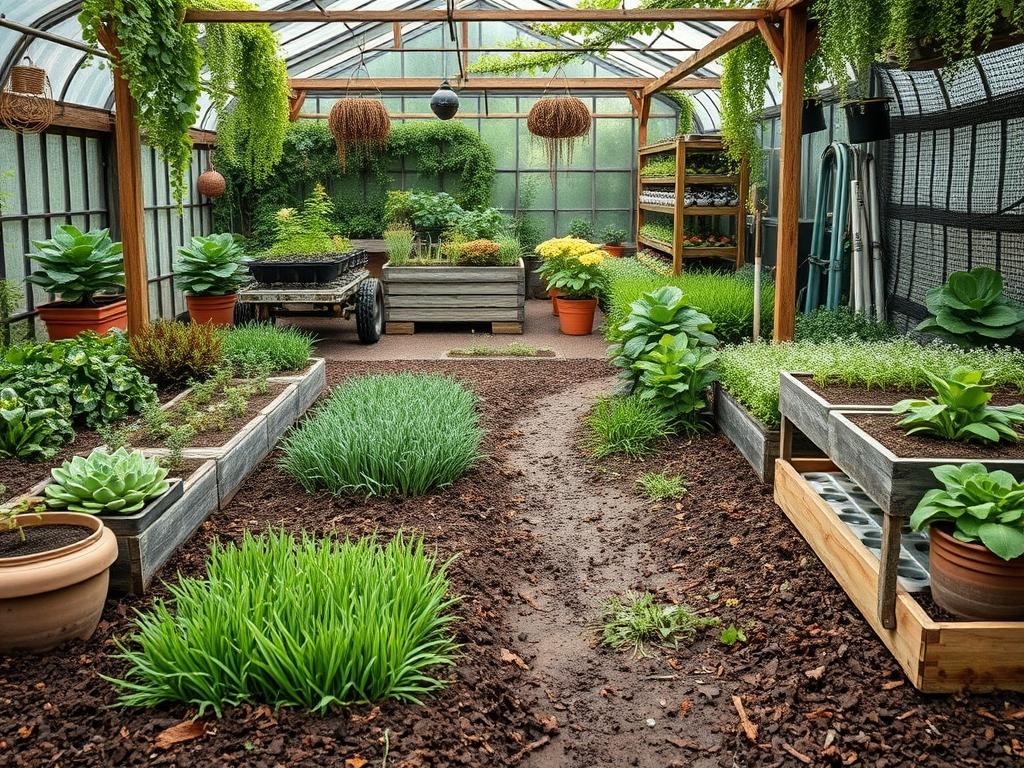
The traditional obsession with the manicured monochrome lawn is undergoing a fundamental shift in the world of high-end landscape architecture. For decades, the status symbol of a successful home was a thirsty, high-maintenance patch of Kentucky Bluegrass, but modern ecological realities and aesthetic preferences have moved beyond this resource-heavy relic. Homeowners today are increasingly seeking outdoor environments that offer more than just a green carpet. They want biodiversity, climate resilience, and functional spaces that act as extensions of their interior living rooms. The transition toward grass-free lawns is not merely a trend; it is a professional response to the rising costs of water, the decline of local pollinator populations, and the desire for year-round visual interest that a dormant, brown lawn simply cannot provide.
Modern landscaping focuses on the orchestration of textures and layers rather than the maintenance of a single, sensitive biological specimen. By removing traditional turf, we eliminate the need for weekly mowing, chemical fertilizers, and the massive water waste associated with spray irrigation. In its place, we create sophisticated ecosystems using permeable pavers, decomposed granite, and specialized groundcovers. This shift allows for more creative site planning where the outdoor environment is divided into distinct “rooms,” each with its own microclimate and purpose. Whether the goal is a sleek, minimalist courtyard or a lush, drought-tolerant meadow, the move away from grass opens up a palette of materials and plants that were previously constrained by the need for a rectangular mowing path.
Landscape Design Principles
Successful grass-free design relies on the rigorous application of spatial hierarchy and visual balance. When the unifying green mass of a lawn is removed, the remaining elements must be carefully managed to prevent the space from feeling cluttered or unfinished. We begin with the principle of “Mass and Void.” In a traditional yard, the grass represents the void. In a modern grass-free landscape, the void might be a clean expanse of Mexican Beach Pebbles or a precisely graded patio of flagstone. This creates a designated area for the eye to rest, which is essential when surrounding it with complex plantings.
Symmetry and focal points take on heightened importance in these environments. Without a lawn to act as a neutral background, a designer might use a large basalt column fountain or a sculptural multi-trunk Olive tree to anchor the view. Elevation layers are utilized to create a sense of enclosure and privacy. This is achieved by utilizing a “step-up” approach, starting with low-growing groundcovers near walkways, moving to perennial grasses at the mid-level, and finishing with canopy trees or tall shrubs at the perimeter.
Irrigation planning must also evolve. Rather than the blanket coverage provided by oscillating heads, we implement subsurface drip irrigation. This system delivers moisture directly to the root zones of specific plants, significantly reducing evaporation and preventing the growth of weeds in the unplanted gaps. Furthermore, the integration of retaining walls can help manage sloped sites, creating flat, usable terraces that maximize the square footage of the property while adding architectural depth.
Plant and Material Selection
| Plant Type | Sun Exposure | Soil Needs | Water Demand | Growth Speed | Maintenance Level |
| :— | :— | :— | :— | :— | :— |
| Creeping Thyme | Full Sun | Well-drained / Sandy | Low | Moderate | Low (Light trimming) |
| Dwarf Mondo Grass | Shade to Purt Sun | Humus-rich | Moderate | Slow | Very Low |
| Blue Star Creeper | Partial Sun | Moist / Loamy | Moderate | Fast | Moderate (Spreading) |
| Silver Carpet (Dymondia) | Full Sun | Sandy / Gritty | Extremely Low | Slow | Low (Steppable) |
| Microclover | Full to Partial Sun | Adaptable | Low | Fast | Low (Mow 2x yearly) |
| Blue Fescue | Full Sun | Well-drained | Low | Moderate | Low (Divide 3 years) |
| Kinnikinnick | Full Sun to Shade | Acidic / Sandy | Low | Slow | Low (Evergreen) |
Implementation Strategy
The successful conversion of a traditional yard into a grass-free masterpiece begins with an aggressive site preparation phase. The first step is the total removal of existing sod and its aggressive root system. This is often followed by a soil test to determine the pH and nutrient profile; however, for many drought-tolerant designs, the goal is actually to lean out the soil rather than enrich it, as many native plants thrive in less-than-perfect conditions.
Once the site is cleared, we establish the primary sub-grade. Grading is the most critical technical step to ensure that water moves away from the home foundation and toward designated drainage areas like a dry creek bed or a French drain. Use a laser level to verify a minimum 2 percent slope across all hardscape surfaces. Following the rough grade, we install the structural “bones” of the landscape: steel edging, retaining walls, and permanent walkway sub-bases. For paths, a 4-inch layer of compacted 3/4-minus crushed rock provides a stable foundation for pavers or decorative gravel.
Planting occurs in the final stages. We utilize a “triangulation” planting pattern to ensure full coverage as groundcovers mature. After the plants are in the ground, a 3-inch layer of organic arborist wood chips or inorganic river rock is applied. Mulch serves three purposes: it suppresses weed germination, regulates soil temperature, and retains vital moisture. Finally, we install a smart-controller for the irrigation zones, allowing for precise moisture management based on real-time weather data.
Common Landscaping Failures
The most frequent mistake in grass-free landscaping is the “bathtub effect.” This occurs when a hole is dug in heavy clay soil and filled with loose potting mix or compost. During heavy rain, the hole acts as a basin, trapping water and rotting the plant’s root system. To avoid this, the entire planting bed should be amended to ensure consistent drainage. Another common error is improper spacing. High-end landscaping requires patience; planting groundcovers too closely leads to overcrowding and fungal issues within two seasons as air circulation is restricted.
Soil compaction is another silent killer of landscape health. During the construction process, heavy machinery or even consistent foot traffic can crush the pore spaces in the soil. This prevents oxygen from reaching roots and stops water from infiltrating. If compaction has occurred, we must use a broadfork or mechanical aerator before any planting begins. Lastly, a failure to plan for “volunteer” weeds is a major oversight. Even the best-designed grass-free lawn will see seed drift. Without a clear maintenance plan or the use of pre-emergent barriers, a beautiful gravel garden can quickly become an eyesore of invasive weeds.
Seasonal Maintenance
Landscape management in a grass-free environment is less frequent but requires higher precision than traditional mowing. During the Spring, the focus is on “cut-backs” and rejuvenation. We prune back ornamental grasses to 4 inches from the ground and remove any frost-damaged foliage from evergreen shrubs. This is also the ideal time to refresh the mulch layer and inspect the drip emitters for clogs or leaks.
As Summer approaches, the priority shifts to moisture monitoring. Even established drought-tolerant plants can suffer during record-breaking heatwaves. We check the soil tension and adjust the irrigation timer accordingly. Autumn is the season for “structural” work. This includes dividing overgrown perennials like Blue Fescue and planting new bulbs for spring color. We also clear fallen leaves from rock beds using a leaf blower on a low setting to prevent organic matter from breaking down and creating a medium where weeds can grow. During Winter, the landscape is largely dormant, but we perform “fine-gardening” tasks such as dormant pruning of deciduous trees and ensuring that drainage grates are clear of debris to prevent winter flooding.
Professional Landscaping FAQ
How do I handle pet waste on a grass-free lawn?
For homes with dogs, we recommend a designated area of synthetic turf with a specialized antimicrobial infill or a zone of pea gravel. These materials allow for easy rinsing and prevent the nitrogen burning commonly seen on traditional grass.
Are grass-free lawns more expensive to install?
The initial capital expenditure for hardscaping, boulders, and diverse perennials is typically higher than laying sod. However, the return on investment is realized within three to five years through significantly lower water bills, reduced labor costs, and increased property value.
Can I still have a “green” look without turf?
Absolutely. Many groundcovers such as Microclover or Dwarf Mondo Grass provide a lush, emerald appearance. They maintain their color with a fraction of the water required by turf and do not require chemical treatments to stay vibrant.
What is the best way to prevent weeds in gravel?
We use a high-quality geotextile landscape fabric beneath the gravel layer to prevent soil mixing. For long-term success, maintaining a deep 3-inch layer of rock is essential to block the light required for weed seeds to germinate.
How does a grass-free lawn affect drainage?
By using permeable pavers and rain gardens, we can actually improve on-site drainage compared to compacted turf. These systems allow rainwater to filter back into the local aquifer rather than running off into the municipal storm sewer system.