
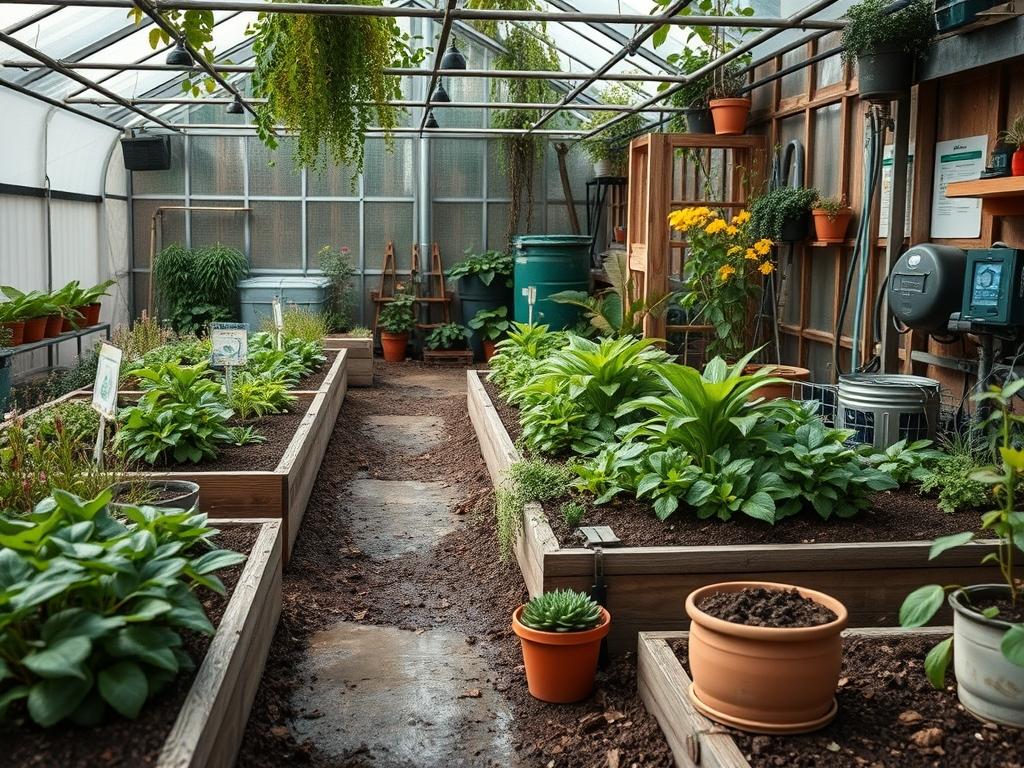
Developing a landscape that balances human utility with ecological vitality requires a shift in perspective from traditional aesthetic gardening to intentional ecosystem management. For decades, the standard for curb appeal was defined by hyper-manicured, monoculture lawns and non-native ornamental shrubs that offered little to the local environment. Today, the modern landscape architect views the backyard as a functional extension of the local biome. The challenge lies in creating a space that feels structured and intentional while providing the complex habitats necessary for birds, pollinators, and beneficial insects to thrive. High-performance landscapes must also address the pragmatic realities of climate change, such as increased runoff and rising temperatures. By selecting the right materials and planning for proper drainage, a biodiverse backyard becomes a resilient barrier against environmental stress, increasing property value and personal well-being simultaneously.
The integration of biodiversity does not mean sacrificing the clean lines of professional design. In fact, using structural elements to frame wilder, ecological zones can enhance the visual impact of a property. Functionality is paramount in these designs, as a backyard must serve as a place for relaxation and recreation while performing its environmental duties. Strategic placement of retaining walls can manage steep slopes, preventing erosion and creating distinct planting pockets that mimic natural mountain or forest tiers. Meanwhile, thoughtful irrigation planning ensures that water is used efficiently, directing moisture to where it is needed most without wasting resources. When a backyard is designed with both human desire and biological necessity in mind, the result is a living environment that evolves beautifully over time.
Landscape Design Principles
Professional landscape design relies on the concept of vertical stratification. Much like a forest, a biodiverse yard should feature layers: a canopy, an understory, a shrub layer, and a herbaceous ground layer. This layering maximizes the use of three dimensional space, providing multiple niches for different species. Symmetry can be used near the home to provide a sense of order, such as matching boxwood alternatives along a primary walkway, while the perimeter transition to more organic, asymmetrical forms as you reach the property lines. This creates a visual bridge between the built environment and the natural world.
Focal points are essential to guide the eye and prevent a biodiverse space from appearing cluttered. A large Native Oak or a sculptural water feature can serve as an anchor for the surrounding plantings. Walkways should be designed to encourage movement through these zones, using materials like natural flagstone or decomposed granite that allow for some water permeability. These paths define the “human” zones, making the presence of taller, denser pollinator gardens feel intentional rather than neglected. Furthermore, irrigation planning should follow the principle of hydrozoning, which involves grouping plants with similar water needs together to prevent over-saturation of some areas and the dehydration of others.
Visual balance is achieved through the careful distribution of “mass” and “void.” In a traditional yard, the lawn is the void. In a biodiverse yard, the void might be a gravel patio or a small, mown path that winds through a meadow. This contrast highlights the texture and color of the plant life. Elevation changes, whether natural or created through the use of engineered fill and tiered planters, add further interest and create microclimates that support a wider variety of life. For instance, a low-lying area can be converted into a rain garden to manage runoff, while a raised, rocky outcrop provides a basking spot for beneficial reptiles.
Plant and Material Selection
The following table outlines high-performance selections for a biodiverse backyard, focusing on species and materials that offer structural integrity and ecological value.
| Plant Type | Sun Exposure | Soil Needs | Water Demand | Growth Speed | Maintenance Level |
| :— | :— | :— | :— | :— | :— |
| White Oak (Quercus alba) | Full Sun | Well-drained | Moderate | Slow | Low |
| Milkweed (Asclepias) | Full Sun | High Tolerance | Low to Moderate | Fast | Medium |
| Switchgrass (Panicum) | Full to Part Sun | Sandy/Clay | Low | Moderate | Low |
| Serviceberry (Amelanchier) | Part Shade | Loamy/Acidic | Moderate | Moderate | Medium |
| Purple Coneflower | Full Sun | Poor to Average | Low | Fast | Low |
| Christmas Fern | Full Shade | Moist/Rich | Moderate | Slow | Low |
| River Birch | Full Sun | Wet/Acidic | High | Fast | Medium |
| Hardwood Mulch | N/A | Nutritious | N/A | N/A | Seasonal |
| River Rock (1-3 inch) | N/A | N/A | N/A | N/A | Low |
Implementation Strategy
The transition to a biodiverse landscape begins with a comprehensive site analysis. This includes testing the soil pH and observing the property during a rain event to identify drainage patterns. Once the site is understood, the layout is marked using surveyor stakes and marking paint. Professional grading is the first physical step. Ensure that the ground slopes away from all structures at a minimum of a 2 percent grade to protect foundations. If the site has significant elevation changes, install retaining walls using interlocking concrete blocks or natural timber to create stable planting beds.
Before any plants go into the ground, install the hardscaping and primary drainage solutions. This might include 4-inch perforated PVC pipe for French drains or catch basins in low spots. Once the skeleton of the yard is in place, define the boundaries of the beds using metal edging or poured concrete borders to keep aggressive turfgrasses from invading the habitat zones. When planting, dig holes twice as wide as the root ball but no deeper. For large trees, ensure the root flare remains visible above the soil line to prevent rot.
After the plants are installed, apply a 3-inch layer of organic hardwood mulch. This mulch is critical for moisture retention and to suppress invasive weeds, but it also serves a secondary purpose: as it breaks down, it improves soil structure. Avoid “mulch volcanoes” around the base of trees, as this can trap moisture against the bark and encourage disease. Finally, if using an automatic irrigation system, calibrate it to deliver deep, infrequent watering sessions. This encourages plants to develop deep root systems, making them more resilient during summer droughts and better able to anchor the soil.
Common Landscaping Failures
One of the most frequent mistakes in backyard planning is the failure to account for the mature size of plants. This leads to root overcrowding and poor air circulation, which can cause fungal outbreaks. Homeowners often plant a Leyland Cypress or a Norway Spruce too close to a fence or a house, only to have the roots lift the hardscaping or the branches scrape the siding within five years. Proper spacing, based on the mature spread of the species, is essential for long-term landscape health.
Inadequate drainage is another critical failure point. If water is allowed to pool against secondary structures or in the middle of a lawn, it leads to soil compaction and anaerobic conditions that kill sensitive root systems. Using impermeable plastic sheeting under mulch is a common error; while it stops weeds temporarily, it prevents oxygen and water from reaching the soil, effectively suffocating the biome. Instead, use a professional-grade geotextile fabric that allows for gas exchange. Irrigation inefficiency, such as spraying water onto pavement or using overhead sprinklers during the heat of the day, also wastes resources and can promote leaf scorch.
Seasonal Maintenance
Spring is the season for revitalization and structural assessment. This is the time to remove winter debris and prune dead wood from deciduous trees and shrubs using bypass pruners. It is also the ideal window to apply a fresh layer of compost to planting beds to replenish nutrients lost over the winter. Monitor the irrigation system for leaks or broken heads before the summer heat arrives.
During the summer, the focus shifts to water management and weed control. Even drought-tolerant native plants may require supplemental water during their first two years of establishment. Use a soaker hose to deliver water directly to the soil, minimizing evaporation. Avoid heavy pruning or fertilizing during extreme heat, as this can stress the plants. Focus instead on “deadheading” spent blooms to encourage a second wave of flowering for pollinators.
Autumn is the most productive season for a landscape architect. This is the best time to plant new trees and shrubs, as the cooler air and warm soil promote rapid root growth. Rather than bagging all the fallen leaves, consider shredding them with a mulching mower to create a natural “leaf mold” that protects insects over the winter. Winter maintenance is largely passive, but it is the perfect time to prune dormant trees for structure and to plan for the following year’s additions.
Professional Landscaping FAQ
How can I attract more pollinators without attracting pests?
Focus on native plants like Bergamot and Milkweed. These species have co-evolved with local pollinators. Maintenance is key; keep the landscape tidy by removing rotting fruit and standing water, which prevents common pests like mosquitoes and rodents from nesting.
Is it possible to have a biodiverse yard with a small footprint?
Yes. Use vertical space with trellises for native vines and layered containers. Even a small 10-by-10-foot area can host a diverse range of plant life if you utilize varying heights and incorporate a small, clean water source.
What is the best way to stop erosion on a hilled backyard?
Install a series of timber retaining walls or use deep-rooted native grasses. Creeping Juniper or Stonecrop can provide excellent ground cover that binds the soil together, while rip-rap stones can slow the velocity of surface water runoff.
Will biodiverse landscaping lower my property value?
On the contrary, professional ecological design often increases value. High-quality hardscaping, mature native trees, and functional outdoor living spaces are desirable. Reduced water bills and lower maintenance requirements also serve as strong selling points for modern, environmentally-conscious home buyers.
Do I need a professional irrigation system for native plants?
While native plants are more resilient, a drip irrigation system is highly recommended during the first two years of establishment. Once matured, many native species can survive on rainfall alone, but a system provides insurance against record-breaking droughts and heatwaves.