
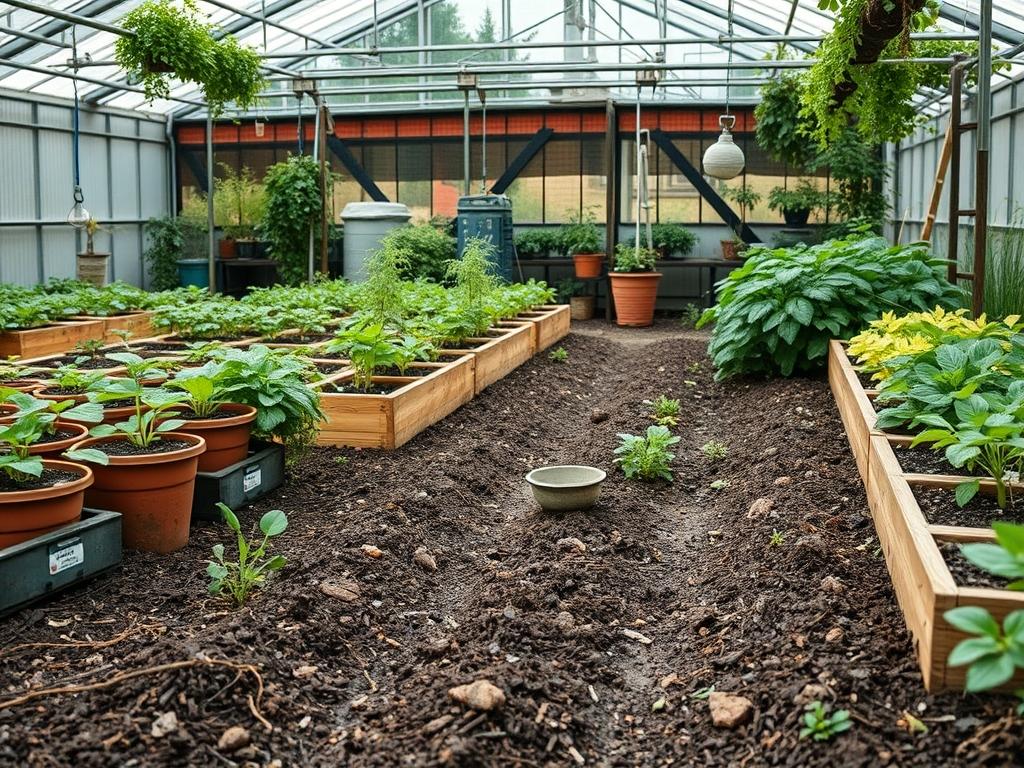
Creating a cohesive outdoor environment involves more than simply placing greenery in the soil and hoping for the best. It requires a sophisticated understanding of spatial dynamics, environmental stressors, and the delicate balance between aesthetic beauty and functional utility. As a landscape architect, I often see homeowners invest thousands of dollars into curated gardens only to have their vision dismantled by local wildlife or invasive insects. This is where the integration of Smart Pest Deterrents becomes a critical component of the modern design process. These technological interventions allow us to maintain high curb appeal and protect our botanical investments without relying on harsh chemicals or unsightly physical barriers. By aligning these high-tech solutions with traditional landscaping principles, we create a resilient ecosystem that thrives throughout the changing seasons while maintaining its intended architectural form.
Landscape Design Principles
A successful landscape relies on a foundation of structural integrity and visual logic. Symmetry often dictates the initial layout, especially in formal gardens where mirrored plantings create a sense of order and prestige. However, achieving visual balance in more organic, contemporary designs requires a different approach. We focus on focal points, such as a large Specimen Oak or a custom Granite Water Feature, to draw the eye and establish a hierarchy of importance within the space. These focal points are often where we discreetly install Motion-Activated Ultrasonic Sensors to protect high-value plants from deer or rabbits.
Elevation layers play a vital role in creating depth. By utilizing Retaining Walls and terraced garden beds, we can manage slope issues while introducing different vertical planes of foliage. This layering must be supported by meticulous irrigation planning. A modern yard should utilize a Drip Irrigation System with smart controllers that adjust based on real-time weather data. This ensures that every 3-gallon shrub receives exactly the moisture it needs without waste. Walkways act as the circulatory system of the yard, typically constructed from Flagstone or Permeable Pavers to guide foot traffic and prevent soil compaction. When these pathways are planned alongside Smart Pest Deterrents, such as low-profile infrared units, we ensure the garden remains a sanctuary for humans while discouraging unwanted animal visitors.
Plant and Material Selection
The selection of flora must be intentional, considering both the local climate and the specific microclimates within your yard. We prioritize species that offer structural reliability and seasonal interest. The following table outlines a selection of plants that work well in a tech-integrated landscape.
| Plant Type | Sun Exposure | Soil Needs | Water Demand | Growth Speed | Maintenance Level |
| :— | :— | :— | :— | :— | :— |
| Boxwood Shrub | Full Sun to Part Shade | Well-drained, Loamy | Moderate | Slow | Low |
| Lavender | Full Sun | Sandy, Alkaline | Low | Medium | Moderate |
| Japanese Maple | Part Shade | Slightly Acidic | Moderate | Slow | High |
| Switchgrass | Full Sun | Adaptable | Low | Fast | Low |
| Hydrangea | Part Shade | Rich, Moist | High | Medium | Moderate |
| Hostas | Full Shade | Organic, Moist | High | Medium | Low |
In addition to plant life, material selection defines the longevity of the project. We recommend using Steel Edging for clean lines between turf and mulch beds. For ground cover, a 3-inch layer of Hardwood Mulch is standard, as it retains moisture and suppresses weeds while eventually breaking down to nourish the soil. When protecting these materials, AI-Powered Garden Cameras can be synchronized with lighting systems to flash specific frequencies, scaring away nocturnal pests before they can dig up fresh bulbs or disturb decorative mulch.
Implementation Strategy
The transition from a blueprint to a finished landscape requires a disciplined execution of steps. We begin with professional grading. Ensuring a 2 percent minimum slope away from the home foundation is essential for proper drainage and preventing basement flooding. Once the ground is shaped, we focus on trenching for irrigation lines and electrical conduits. This is the ideal time to run power for your Smart Pest Deterrents, ensuring that devices are hardwired for reliability rather than relying solely on battery power or solar panels that might fail in shaded areas.
After the infrastructure is in place, we focus on soil preparation. We often incorporate Sphagnum Peat Moss or Composted Manure into the top 6 inches of topsoil to improve nutrient density. Edging is then installed to create a permanent boundary for the planting beds. When placing the plants, we follow the “thriller, filler, and spiller” method for containers, but for the ground, we prioritize spacing based on the mature width of the species. For example, a Juniper that grows 5 feet wide should never be planted 2 feet from a walkway. Finally, we apply a Geotextile Fabric in areas intended for gravel paths to prevent weed intrusion and soil mixing.
Common Landscaping Failures
The most frequent mistake in residential landscaping is poor drainage. Without a French Drain or a dedicated Dry Creek Bed, heavy rainfall can turn a beautiful yard into a stagnant swamp. This moisture not only kills expensive plants via root rot but also attracts pests like mosquitoes and slugs. Another common failure is root overcrowding. Homeowners often want an “instant” garden look and plant far too many specimens in a small area. Within three years, these plants compete for resources, leading to stunted growth and increased susceptibility to disease.
Improper spacing and soil compaction are also major concerns. Using heavy machinery during the construction phase without protecting the ground can crush the soil structure, leaving no room for oxygen or water to reach the roots. Furthermore, many people overlook irrigation inefficiencies. Over-watering is just as damaging as under-watering; it leaches nutrients from the soil and creates a shallow root system. To combat this, we use Soil Moisture Sensors that communicate with the central hub, ensuring the Rotary Sprinkler Heads only activate when necessary. Finally, neglecting to integrate Smart Pest Deterrents early on often leads to the heartbreaking loss of a newly installed landscape to local wildlife within the first week.
Seasonal Maintenance
Landscape management is a year-round commitment that shifts with the biology of the plants. In the spring, the focus is on rejuvenation. This includes Core Aeration of the lawn, application of a Pre-emergent Herbicide, and pruning dead wood from deciduous trees. We also calibrate the Smart Pest Deterrents to be more sensitive as new, tender shoots emerge, which are particularly attractive to foraging animals.
Summer maintenance centers on hydration and heat management. We monitor the Drip Emitters for clogs and ensure that the Automatic Mowers are set to a higher cutting height to shade the grass roots. As we move into autumn, the priority shifts to cleanup and preparation for dormancy. We leaf-blow the beds to prevent mold and apply a Winterizer Fertilizer with high potassium to strengthen the plants. In winter, we focus on protection. This includes wrapping sensitive Evergreens in Burlap to prevent windburn and checking that the high-tech deterrents are clear of snow and ice so they continue to function in the cold. Consistent monitoring of your Smart Hub during these seasons ensures your landscape remains healthy and your technology stays operational.
Professional Landscaping FAQ
How do I choose the right smart deterrent for my yard?
Evaluate the specific pests causing issues and your yard’s layout. Ultrasonic Devices work well for wide-open spaces, while Motion-Activated Sprinklers are better for perimeter defense. Ensure the device integrates with your existing smart home ecosystem for centralized monitoring.
What is the best way to prevent soil erosion on a slope?
Install a series of Retaining Walls or use deep-rooted ground covers like Creeping Juniper. Combining these with Erosion Control Blankets during the establishment phase provides a stable foundation while the root systems consolidate the soil.
Can I install a high-tech landscape on a budget?
Yes, by focusing on a phased approach. Start with a solid Master Plan and address drainage and soil health first. Gradually add expensive specimens and Smart Pest Deterrents over several seasons to spread out the financial investment.
Why are my plants dying despite regular watering?
You may be dealing with Soil Compaction or poor drainage, which suffocates the roots. Alternatively, pests may be attacking the root systems underground. Use a Soil Probe to check for moisture levels at a 6-inch depth before adjusting.
How deep should my mulch beds be for maximum benefit?
Aim for a consistent 3-inch depth. Any thinner and it will not effectively suppress weeds or retain moisture; any thicker and it can prevent oxygen from reaching the soil or cause rot at the base of your plants.