
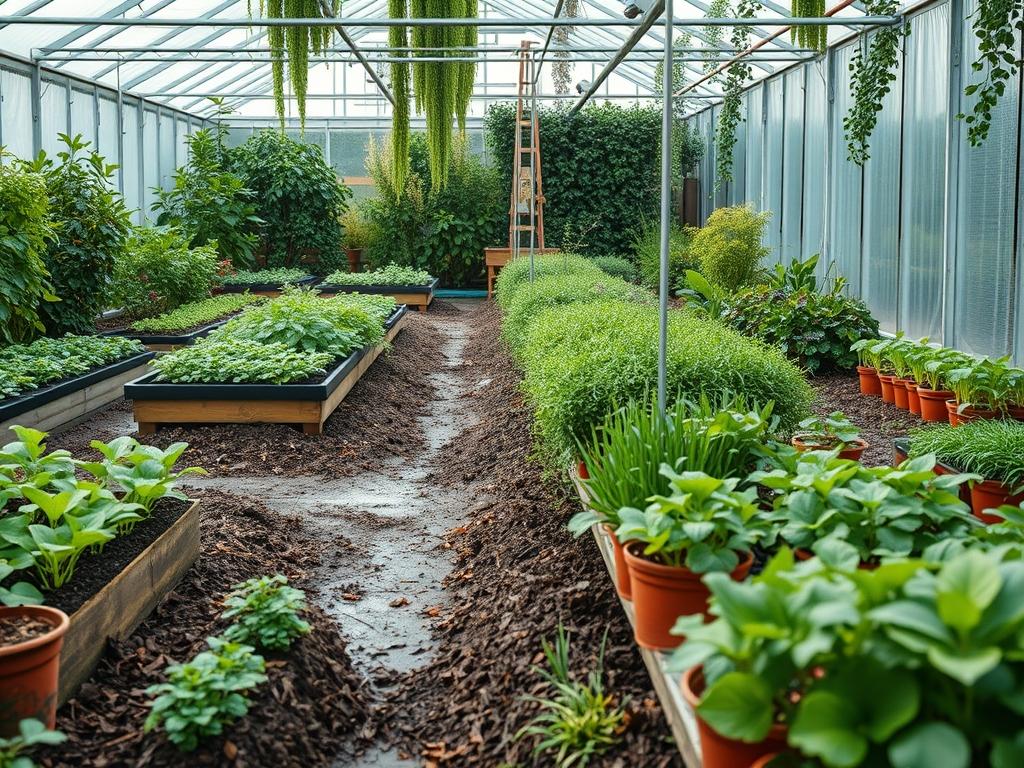
Transforming a physical landscape from a chaotic patch of earth into a structured, functional sanctuary requires more than a shovel and a few bags of soil. The modern landscape architect now relies on sophisticated tools to bridge the gap between imagination and biological reality. High-tech garden planners have fundamentally changed how we approach site analysis, allowing us to simulate solar paths, drainage patterns, and five year growth cycles before a single plant is purchased. This digital evolution addresses the core challenge of property management, which is the intersection of aesthetic curb appeal and long term ecological viability. A well planned landscape serves as an outdoor extension of the home, providing functional zones for recreation while simultaneously increasing property value through strategic environmental design.
Successful landscaping hinges on understanding the unique microclimates of your specific plot. Factors such as wind tunnels created by nearby structures, soil pH variations, and the specific angle of the sun during the summer solstice dictate whether a design flourishes or withers. By utilizing high-tech garden planners, homeowners can input their geographical coordinates to receive precise calculations on shade duration. This level of data integration ensures that the initial vision remains grounded in the practicalities of the local environment. It prevents the common frustration of investing in sun loving perennials only to realize that a neighboring oak tree casts a permanent shadow over the main flower bed.
Modern outdoor design focuses heavily on the concept of the living room without walls. This requires a transition from seeing the garden as a separate entity to viewing it as a structural component of the residence. Proper planning considers the flow of movement, the utility of hardscaping, and the necessary infrastructure for irrigation and lighting. When these elements are synchronized through digital modeling, the result is a cohesive environment that feels intentional rather than accidental.
Landscape Design Principles
The foundation of any professional grade landscape is the application of classical design principles through a modern lens. Symmetry and balance are the two primary pillars. Formally designed spaces often utilize bilateral symmetry, where one side of a walkway mirrors the other, creating a sense of order and prestige. However, asymmetrical balance is frequently more appropriate for contemporary homes. This involves balancing a large, high volume element, such as a Japanese Maple, with several smaller, lower volume plants like Hostas to create visual equilibrium without rigid repetition.
Focal points serve as the anchors of the design. A focal point can be a structural element like a Pergola or a natural feature such as a specimen tree. High-tech garden planners allow designers to test different sightlines from interior windows, ensuring that the most attractive features of the garden are visible from the kitchen or living room. Elevation layers are equally critical; a flat garden often feels uninspired. By introducing Retaining Walls or raised planters, you create vertical interest and defined boundaries. This layering should extend to the plantings themselves, moving from groundcovers to mid sized shrubs and eventually to the canopy.
Irrigation planning must be integrated at the earliest design stage rather than as an afterthought. Modern systems utilize Smart Controllers that adjust water output based on real time weather data. Walkways should be designed for “desire lines,” which are the natural paths people take to get from point A to point B. If a path is too winding, people will eventually trample the grass to take a shortcut. Using software to track these movements allows for the placement of Flagstone Pavings or Crushed Granite paths that are both beautiful and functional.
Plant and Material Selection
Selecting the right biological assets requires a balance of aesthetics and survival probability. The following table provides a breakdown of common selections used in professionally managed landscapes.
| Plant Type | Sun Exposure | Soil Needs | Water Demand | Growth Speed | Maintenance Level |
| :— | :— | :— | :— | :— | :— |
| English Boxwood | Full Sun to Part Shade | Well-drained loam | Moderate | Slow | High (Pruning) |
| Lavender | Full Sun | Sandy, alkaline | Low | Fast | Low |
| Hydrangea | Part Shade | Rich, moist soil | High | Moderate | Medium |
| Ornamental Grass | Full Sun | Adaptable | Low | Fast | Very Low |
| Dwarf Conifer | Full Sun | Acidic, well-drained | Moderate | Very Slow | Low |
| Creeping Thyme | Full Sun | Gritty, poor soil | Low | Moderate | Low |
Implementation Strategy
The transition from a digital plan to physical implementation must follow a precise sequence to avoid costly rework. The first step is always grading. You must ensure the land slopes away from the house foundation at a minimum of a 2 percent grade to prevent basement flooding. High-tech garden planners often include topographical mapping tools to help calculate the necessary “cut and fill” for leveling uneven areas. Once the grade is established, the installation of French Drains or underground PVC Piping should occur to manage heavy rainfall.
After the skeleton of the garden is in place, hardscaping begins. This includes the installation of Stone Pavers, Mortared Brick, or Corten Steel edging. Edging is vital for maintaining clean lines between the turf and the mulch beds. When you reach the planting phase, ensure you are spacing plants based on their mature width, not their size at the nursery. A common mistake is crowding three foot shrubs into a two foot space.
Soil preparation involves tilling in organic compost to a depth of 6 inches to ensure root penetration. Once the plants are in the ground, apply a layer of Hardwood Mulch at a depth of exactly 3 inches. This depth is the “Goldilocks zone” for moisture retention; any thinner and it evaporates, any thicker and it can smother the roots and prevent oxygen exchange. Finally, calibrate your Drip Irrigation emitters to deliver water directly to the root zone of each plant.
Common Landscaping Failures
The most frequent failure in amateur landscaping is poor drainage management. When water pools against a foundation or creates a bog in the center of the lawn, it is usually a sign that the initial grading was ignored. Another significant issue is root overcrowding. Planting a Silver Maple too close to a driveway or utility line will lead to cracked concrete and pipe intrusion within a decade. High-tech garden planners are excellent at visualizing these root zones to prevent such long term damage.
Improper spacing is often driven by a desire for an “instant” full look. However, plants need airflow to prevent fungal diseases like powdery mildew. Soil compaction is another silent killer of high end landscapes. When heavy machinery or frequent foot traffic compresses the soil, the pores that hold air and water collapse. This effectively suffocates the plant regardless of how much fertilizer you apply. Lastly, irrigation inefficiencies, such as using oscillating sprinklers that lose 30 percent of their water to evaporation, lead to high utility bills and uneven plant health.
Seasonal Maintenance
A landscape is a dynamic, living system that requires specific interventions throughout the year. In the Spring, the focus is on “awakening” the garden. This involves removing winter debris, applying a Slow Release Fertilizer, and pre-emergent weed control. It is also the best time to sharpen your Pruning Shears and remove deadwood from deciduous trees before the sap starts flowing heavily.
Summer maintenance is dominated by water management and heat stress mitigation. You should monitor your Smart Irrigation System to ensure it accounts for heat waves. Mowing height for turf should be increased to 3.5 inches during the hottest months to provide shade for the soil and protect the grass crowns.
Autumn is the season for soil building and planting. The soil is still warm, but the air is cool, which is the perfect environment for root development in new trees. Apply a fresh layer of Mulch to insulate roots against the coming freeze. In Winter, the focus shifts to protection. Use Burlap Wraps for sensitive evergreens and ensure all irrigation lines are blown out with compressed air to prevent pipe bursts.
Professional Landscaping FAQ
How deep should my garden mulch be?
The ideal mulch depth is 3 inches. This thickness provides enough coverage to suppress weed growth and retain soil moisture without preventing oxygen from reaching the root systems of your plants. Avoid “mulch volcanoes” piled against tree trunks.
What is the best way to handle poor drainage?
Installing a French Drain or a Dry Well is usually the most effective solution. These systems redirect excess surface water away from the foundation and into a designated infiltration area, preventing soil erosion and fungal issues.
Can I plan a garden without high-tech tools?
While traditional sketching works, high-tech garden planners provide accuracy in solar mapping and growth projection that manual drawings cannot match. These tools help prevent expensive errors regarding plant spacing and sun exposure requirements.
When is the best time to plant new trees?
Early Autumn is the preferred window for most species. The cooling air temperatures reduce transpiration stress while the warm soil encourages rapid root establishment before the ground freezes, giving the tree a head start for the Spring.
How do I choose between sod and seed?
Sod provides an instant, weed free lawn and is necessary for slopes where erosion is a risk. Seed is more cost effective and offers a wider variety of grass species tailored to specific shade or drought conditions.