
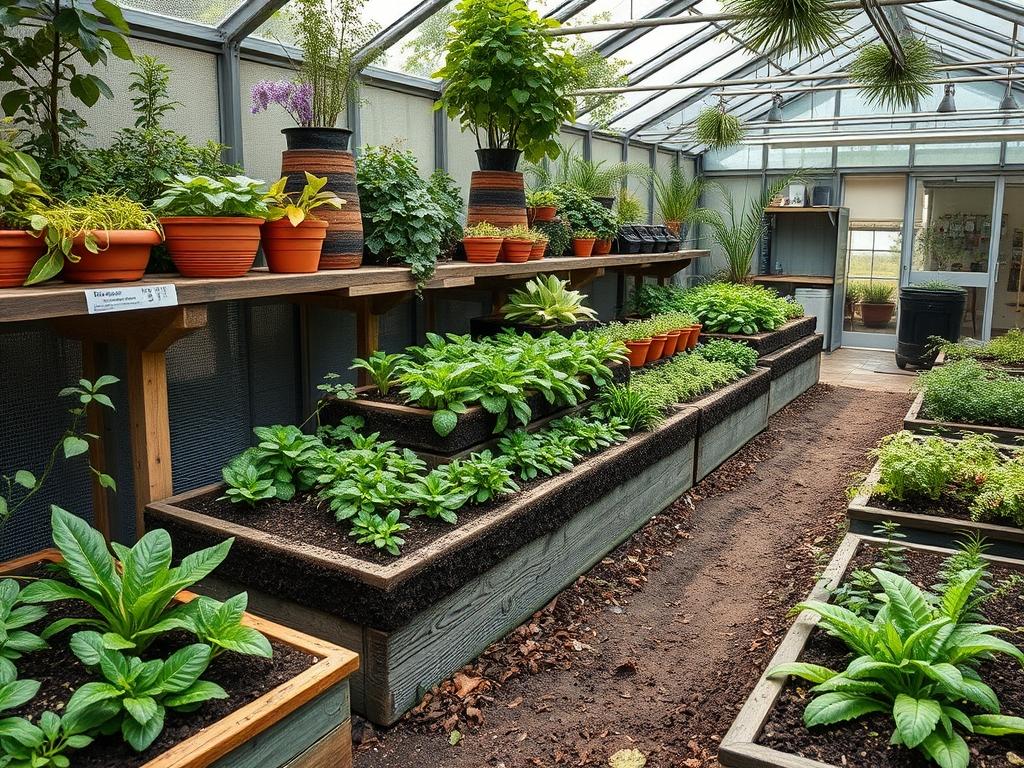
Landscape architecture frequently involves the strategic manipulation of space to solve topographical challenges while enhancing the aesthetic value of a property. One of the most effective solutions for managing sloped terrain or adding architectural interest to a flat lot is the integration of Tiered Planter Designs. These structures serve multiple purposes beyond simple aesthetics; they provide erosion control, improve soil management, and create distinct microclimates within a single garden. When a homeowner or developer looks at a steep embankment, they often see a liability. However, a landscape architect sees an opportunity to create a vertical gallery of texture and color. By breaking up a monolithic slope into manageable levels, we can transform a difficult incline into a functional outdoor living space that boosts curb appeal and provides a sense of enclosure and privacy.
The implementation of tiered systems allows for a more controlled approach to irrigation and drainage, which are the primary concerns in any outdoor environment. Without these levels, water runoff can strip away valuable topsoil and nutrients, leaving behind a scarred and unproductive landscape. Through the use of retaining walls and raised beds, we can capture and direct water flow more efficiently. This structural approach also facilitates the use of different soil compositions at different heights, allowing for a diverse plant palette that would be impossible in a uniform grade. Strategic planning for these designs must account for the local climate, the orientation of the sun, and the structural integrity of the materials chosen to ensure the longevity of the installation.
Landscape Design Principles
Successful Tiered Planter Designs rely on the foundational principles of symmetry, focal points, and elevation layers. Symmetry does not necessarily mean a mirror image; rather, it refers to the visual weight of the installation from a central axis. In a tiered setup, this is achieved by balancing heavy hardscaping materials with softening vegetation. For instance, if one side of a three-tier system features a large boulder, the opposite side might feature a dense planting of Boxwood to maintain equilibrium. Focal points are equally vital; they draw the eye through the landscape. A well placed Japanese Maple on the middle tier or a high-quality water feature can serve as an anchor for the entire design, providing a destination for the viewer’s gaze.
Elevation layers create a sense of depth that flat gardens simply cannot replicate. By varying the height of each tier, typically in increments of 12 inches to 24 inches, we create a stadium seating effect for plants. This ensures that smaller, delicate species are not overshadowed by taller, more aggressive specimens. Walkways should be integrated into the design to allow for maintenance and interaction with the garden. A set of flagstone stairs meandering through the tiers can turn a planter into an immersive experience. Furthermore, irrigation planning must be integrated early. Drip lines should be hidden beneath a layer of mulch on each level, ensuring that water is delivered directly to the root zones without causing surface erosion on the lower tiers.
Plant and Material Selection
Selecting the right combination of flora and hardscape materials is critical for the durability and visual success of the project. The materials for the walls, such as Corten steel, pressure-treated timber, or stacked fieldstone, determine the garden’s character and its ability to withstand environmental pressure.
| Plant Type | Sun Exposure | Soil Needs | Water Demand | Growth Speed | Maintenance Level |
| :— | :— | :— | :— | :— | :— |
| Blue Star Juniper | Full Sun | Well-drained | Low | Slow | Low |
| Heuchera (Coral Bells) | Partial Shade | Rich Loam | Medium | Moderate | Low |
| Russian Sage | Full Sun | Sandy/Poor | Very Low | Fast | Low |
| Dwarf Fountain Grass | Full/Part Sun | Variable | Medium | Moderate | Medium |
| Creeping Thyme | Full Sun | Gritty/Poor | Low | Moderate | Low |
| Japanese Forest Grass | Full Shade | Moist/Organic | High | Slow | Medium |
| Lavender | Full Sun | Well-drained/Alkaline | Low | Moderate | Medium |
Implementation Strategy
The transition from a conceptual drawing to a physical landscape requires a systematic implementation strategy. The process begins with site grading. You must use a transit level or a laser level to determine the exact degree of the slope. Once the grade is established, the footprint of each tier is marked using landscaping spray paint. For the first tier, an excavation of at least 6 inches is necessary to create a stable base of crushed stone or compacted gravel. This foundation prevents the wall from shifting during freeze-thaw cycles or heavy rain events.
After the foundation is set, the primary retaining structure is built. If using 6-by-6 timber, each layer must be secured with 12-inch galvanized spikes and staggered to ensure structural integrity. For masonry walls, leveling sand provides the final adjustment before the first course of stone is laid. Drainage is the most critical component of the implementation. A 4-inch perforated HDPE pipe, often called a French drain, should be installed behind the first course of each wall and wrapped in geotextile fabric to prevent silt from clogging the system. This pipe directs excess water away from the wall to prevent the buildup of hydrostatic pressure, which is the leading cause of wall failure. Once the structure is sound, fill the interior of the tiers with a high-quality mix of screened topsoil and compost, and finish with a 3-inch layer of hardwood mulch to retain moisture.
Common Landscaping Failures
Understanding where projects typically go wrong is essential for any consultant. Drainage mistakes are the most frequent culprit. If water cannot escape from behind a tiered wall, the weight can cause the structure to bow or collapse entirely. Failure to include weep holes in masonry designs or neglecting the perforated drain pipe are errors that are difficult and expensive to fix after the garden is established. Soil compaction is another common issue. During construction, the use of heavy machinery like a skid steer can compress the earth so tightly that roots cannot penetrate and water cannot soak in. This necessitates mechanical aeration or the addition of organic matter to restore soil porosity.
Root overcrowding and improper spacing lead to a cluttered look and plant health issues within three to five years. It is a mistake to plant for immediate fullness; instead, one must account for the mature width of species like Dwarf Alberta Spruce or Hydrangea. Overcrowding reduces airflow, which encourages fungal diseases. Finally, irrigation inefficiencies occur when a single zone is used for the entire tiered system. Because water naturally migrates downward, the top tier will dry out much faster than the bottom tier. Professional designs utilize separate valves or varied emitter flow rates to compensate for this vertical moisture gradient.
Seasonal Maintenance
Maintaining Tiered Planter Designs requires a proactive approach that changes with the calendar. In the spring, the focus is on cleanup and preparation. Use hand pruners to remove dead foliage from grasses and perennials. This is also the time to inspect the structural integrity of the walls, looking for any shifting or cracks caused by winter frost. Apply a fresh 2-inch layer of mulch to suppress weeds and check the drip irrigation system for leaks or clogged emitters before the summer heat arrives.
Summer maintenance involves monitoring moisture levels and deadheading flowers to encourage continuous blooming. During periods of extreme heat, even drought-tolerant plants like Sedum may need supplemental watering on the higher, more exposed tiers. Autumn is the season for soil health. Incorporate compost into the soil surface and plant any bulbs or new shrubs while the ground is still warm. Winter management is largely passive but involves protecting sensitive materials. Avoid using harsh de-icing salts near the planters, as these chemicals can leach into the soil and kill the root systems of your native plants. If the design includes a water feature, ensure the submersible pump is removed or winterized to prevent damage from ice expansion.
Professional Landscaping FAQ
How do I choose the best material for my tiered walls?
Select materials based on your home’s architecture and the site’s pressure. Natural stone offers longevity and a classic look, while Corten steel provides a modern, thin profile. Pressure-treated timber is cost-effective but has a shorter lifespan of roughly fifteen years.
What is the best way to prevent soil erosion on steep tiers?
Utilize a combination of hardscaping and groundcovers. A 3-inch mulch layer provides immediate protection, but the root systems of plants like Creeping Phlox or Vinca Minor create a biological mat that binds the soil together long-term.
Can I build tiered planters without a professional contractor?
Small designs under 24 inches in height are manageable for DIY enthusiasts using landscape blocks. However, tiers exceeding 3 feet often require permits and structural engineering to manage the immense weight of the soil and water held behind the walls.
How do I manage different light levels in a tiered garden?
The top tier often receives the most sun and wind, while lower tiers may be shaded by the walls above them. Use sun-loving Ornamental Grasses on top and shade-tolerant Hostas or Ferns on the lower levels to maximize success.
How deep should my planter tiers be for healthy root growth?
For most perennials and small shrubs, a depth of 18 inches to 24 inches is ideal. This allows for sufficient nutrient storage and provides enough space for a robust root system to anchor the plant against the elements.