
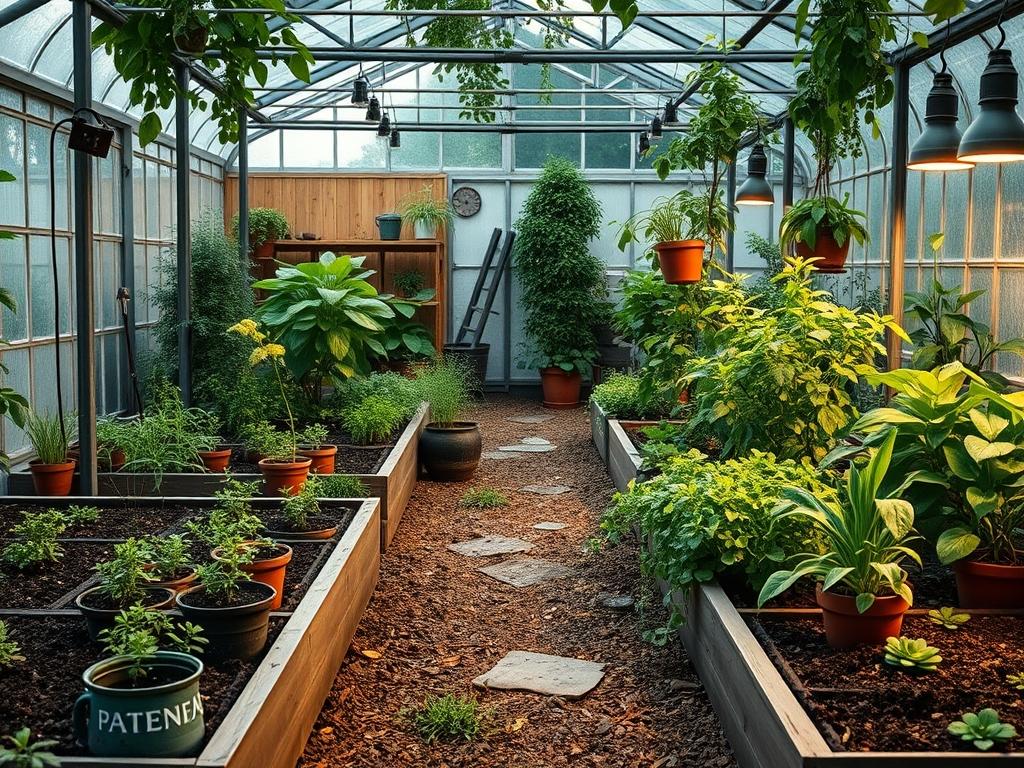
The first impression of a home begins long before a visitor reaches the front door. It starts at the curb, where the transition from public space to private sanctuary is defined by the marriage of structural greenery and intentional illumination. For many homeowners, the challenge lies in balancing aesthetic appeal with the functional requirements of security and navigation. Entryway lighting basics dictate that a well lit path should provide a clear, shadow free journey to the entrance, yet it must do so without overwriting the natural beauty of the surrounding landscape. Climate considerations also play a pivotal role in this planning stage. In regions prone to heavy rainfall or snow, the placement of fixtures and the selection of hardy plant species must account for excessive moisture or the physical weight of accumulation. Ultimately, the goal is to create a cohesive outdoor environment where light and foliage work in tandem to highlight architectural features while ensuring every step taken toward the home is a safe one.
Landscape Design Principles
Executing a professional grade entryway requires a deep understanding of symmetry and focal points. A balanced landscape does not necessarily mean a mirror image on either side of the walkway. Instead, it involves a visual equilibrium where the weight of a mature Oak tree on the left might be countered by a cluster of smaller Azaleas and a well placed stone bench on the right. Focal points act as anchors for the eye. These may be architectural, such as a grand portico, or natural, such as a specimen plant illuminated by a 12-volt LED spotlight.
Elevation layers are equally critical. A flat landscape often feels uninspired, so architects use retaining walls and tiered garden beds to create depth. By stacking heights, you allow different layers of vegetation to catch the light. Low level groundcovers should sit at the front, followed by mid sized shrubs, and finally, a canopy of taller trees. This layering also aids in irrigation planning. By grouping plants with similar water needs on specific elevation tiers, you can optimize your drip irrigation system to deliver precise amounts of moisture, preventing the overwatering of sensitive species.
Walkways should be wide enough for two people to walk side-by-side, typically measuring at least 48 inches across. The materials chosen for these paths, whether flagstone, poured concrete, or interlocking pavers, must be graded properly. A slight slope of 2 percent away from the home’s foundation ensures that water does not pool, which protects both the hardscaping and the electrical components of your lighting system. Visual balance is achieved when the scale of the lighting fixtures matches the scale of the architecture; oversized lanterns on a modest cottage can feel overwhelming, while tiny path lights along a massive driveway may appear insignificant.
Plant and Material Selection
| Plant Type | Sun Exposure | Soil Needs | Water Demand | Growth Speed | Maintenance Level |
| :— | :— | :— | :— | :— | :— |
| Boxwood (Buxus) | Full Sun to Shade | Well-drained, Loamy | Moderate | Slow | Medium (Trimming) |
| Lavender (Lavandula) | Full Sun | Sandy, Alkaline | Low | Moderate | Low |
| Creeping Juniper | Full Sun | Dry, Rock-heavy | Very Low | Moderate | Very Low |
| Hostas | Full Shade | Rich, Organic | High | Fast | Low |
| Japanese Maple | Partial Shade | Slightly Acidic | Moderate | Slow | High (Pruning) |
| Liriope (Lilyturf) | Sun or Shade | Adaptable | Moderate | Fast | Very Low |
Implementation Strategy
The transition from a conceptual drawing to a physical garden requires a meticulous step by step approach. Begin with a thorough site analysis and grading plan. Use a laser level to determine the high and low points of the entryway. If the ground slopes toward the house, you must install a French drain or a swale to redirect runoff. Once the skeleton of the landscape is established, mark the locations of your underground utilities. Trenching for low-voltage cabling and irrigation lines should happen simultaneously to minimize soil disturbance.
When laying out the garden, start with the hardscaping. Install retaining walls and pavers first, as these require heavy machinery and stable soil compaction. Once the “bones” are in place, focus on edging. A clean edge made of steel or aluminum creates a professional barrier between the lawn and the planting beds, preventing grass from encroaching on your mulch.
When it comes to planting, the hole for each specimen should be twice as wide as the root ball but no deeper. This encourages lateral root growth into the surrounding soil. After planting, apply a 3-inch layer of hardwood mulch or pine bark to retain moisture and suppress weeds. Ensure the mulch is pulled back a few inches from the trunk of the plants to avoid rot. Finally, integrate the lighting. Place path lights approximately 6 to 8 feet apart, staggering them on either side of the walkway to avoid a “runway” effect. Use up-lighting on your focal trees to create vertical interest and provide ambient bounce-back light for the path.
Common Landscaping Failures
One of the most frequent errors in entryway design is improper drainage. When water is allowed to collect near the foundation or saturate the root zones of non aquatic plants, the result is often expensive structural damage or plant death via root rot. Another common oversight is root overcrowding. Homeowners frequently plant for the size of the shrub at the nursery rather than its mature dimensions. Within five years, a small Spruce can easily overwhelm a walkway, forcing guests to duck or sidestep.
Improper spacing also affects the efficacy of entryway lighting. If fixtures are placed too close to fast growing shrubs, the foliage will eventually block the beam, rendering the light useless and creating dark safety hazards. Soil compaction is another silent killer. During construction, heavy foot traffic or equipment packs the soil so tightly that oxygen and water cannot reach the roots. This leads to stunted growth regardless of how much fertilizer is applied. Lastly, irrigation inefficiencies, such as spray heads hitting the side of the house or the light fixtures rather than the plants, lead to mold growth and hardware corrosion.
Seasonal Maintenance
Landscape management is a year round commitment that changes with the tilt of the earth. In the spring, the focus is on rejuvenation. This is the time to prune winter kill, sharpen your edging tools, and apply a fresh layer of mulch. You should also test your irrigation system for leaks and clean the lenses of your outdoor lights to remove the film left by winter storms.
Summer requires vigilance regarding hydration. Monitor the soil moisture levels during heat waves and adjust your timers accordingly. Use a voltmeter to check that your lighting system is maintaining a consistent power draw, as heat can sometimes affect wire conductivity. In autumn, the priority shifts to debris management. Fallen leaves must be cleared from the lawn and planting beds to prevent them from smothering the grass or clogging drainage grates. This is also the best time to plant spring-flowering bulbs and perform a final trim on deciduous hedges.
Winter maintenance is primarily about protection. In colder climates, wrap sensitive shrubs like Evergreens in burlap to prevent windburn. Ensure that your lighting fixtures are high enough to peek above expected snow levels. If you use salt to de ice your walkways, be mindful of the runoff; high salt concentrations can be toxic to many native plants.
Professional Landscaping FAQ
What is the best color temperature for entryway lighting?
For residential landscapes, a warm white light between 2700K and 3000K is ideal. This range mimics the soft glow of traditional incandescent bulbs, creating a welcoming atmosphere while accurately rendering the natural colors of your plants and stonework.
How deep should I bury my landscape lighting wires?
Standard low-voltage (12V) wiring should be buried at least 6 inches deep. This depth protects the cables from common garden tools like aerators or spades while remaining accessible enough for future repairs or system expansions.
Should I use organic or inorganic mulch in my beds?
Organic options like shredded cedar or pine needles are superior for plant health because they decompose and improve soil structure. Inorganic mulch, such as river rock, is better for areas with high drainage needs or high winds.
How can I prevent my path lights from looking like a runway?
Avoid placing lights in a perfectly straight, parallel line. Instead, stagger them on alternating sides of the path and hide some fixtures within the foliage. This creates a more natural, tiered lighting effect that guides the eye gently.
Do I need a transformer for my entryway lighting?
Yes, if you are using a low-voltage system. A transformer steps down your home’s 120-volt current to a safer 12-volt or 15-volt output, which is more energy efficient and easier for DIY maintenance or adjustments.