
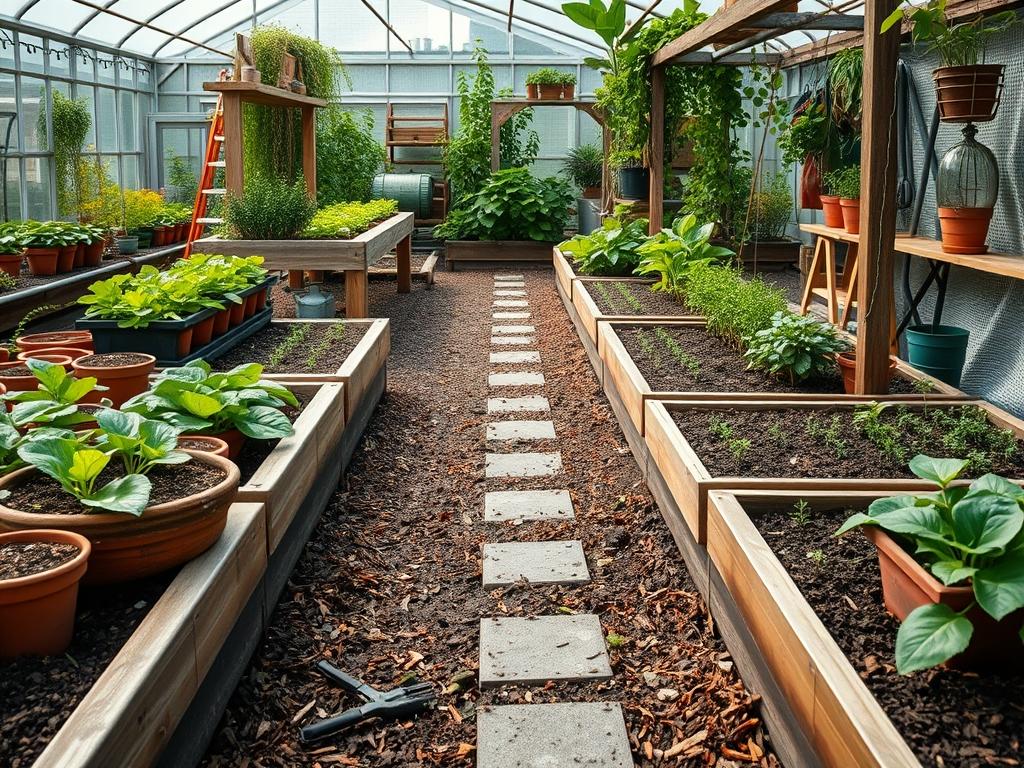
Transforming a sterile apartment rooftop into a vibrant, functional ecosystem is a sophisticated architectural undertaking that extends far beyond simple container gardening. In the modern urban landscape, rooftop greenery serves as a critical bridge between high-density living and the natural world, offering significant value in terms of property appreciation and environmental mitigation. Unlike terrestrial backyards, rooftop environments are harsh microclimates characterized by intense solar radiation, high wind speeds, and specialized drainage requirements. Success in this arena demands an integrated approach where structural engineering meets horticultural precision. The goal is to create an outdoor living space that feels cohesive and intentional, using Rooftop Greenery Tips that prioritize both aesthetic longevity and the technical realities of elevated sites. A well-executed design not only enhances the curb appeal of the building but also provides a sanctuary that regulates temperature, reduces stormwater runoff, and fosters urban biodiversity.
Landscape Design Principles
Effective rooftop design begins with a comprehensive understanding of visual balance and structural constraints. Symmetry plays a vital role in formal urban designs, often achieved through the mirrored placement of Zinc Planters or geometric Boxwood hedging to frame city views. However, a more organic, asymmetrical approach can soften the harsh lines of nearby skyscrapers. Creating focal points, such as a sculptural Japanese Maple or a modern water feature, draws the eye and establishes a sense of hierarchy within the space. Using different elevation layers is another essential technique; by varying the heights of planters and incorporating raised decking, you can create the illusion of a traditional ground-level garden.
Irrigation planning must be integrated into the design from the earliest stage. Sub-surface Drip Irrigation systems are preferred for rooftops because they minimize water loss due to wind evaporation and ensure that moisture reaches the root zone directly. For walkways, materials should be lightweight and slip-resistant. Pedestal Paver Systems are the industry standard, as they allow for a perfectly level walking surface while hiding the slope of the underlying roof membrane. These systems also facilitate drainage by allowing water to pass through the joints into the secondary drainage layer below. Every design element must be evaluated against its weight; heavy items like Large Boulders or Concrete Benches should be positioned directly over structural columns or load-bearing walls to ensure safety and compliance with building codes.
Plant and Material Selection
Selecting the right biological components is the most frequent point of failure for inexperienced designers. The following table outlines robust choices specifically suited for the rigors of rooftop life.
| Plant Type | Sun Exposure | Soil Needs | Water Demand | Growth Speed | Maintenance |
| :— | :— | :— | :— | :— | :— |
| Blue Oat Grass | Full Sun | Well-drained | Moderate | Medium | Low |
| Sedum ‘Autumn Joy’ | Full Sun | Sandy/Lean | Low | Moderate | Low |
| Dwarf Alberta Spruce | Partial Sun | Acidic/Rich | Moderate | Slow | Medium |
| Creeping Thyme | Full Sun | Gritty/Poor | Low | Fast | Low |
| Serviceberry | Full Sun/Part Shade | Loamy/Moist | Moderate | Medium | Medium |
| Lavender | Full Sun | Alkaline | Very Low | Moderate | Medium |
Implementation Strategy
The transition from design to physical reality requires a methodical, layered approach to ensure the longevity of the installation. The first and most critical step is the installation of a high-quality Root Barrier and a reinforced Waterproofing Membrane. This protects the building structure from moisture intrusion and prevents aggressive root systems from compromising the roof. Once the base layer is secure, a Drainage Cell or dimpled drainage mat is laid down. This specialized layer allows excess water to flow freely toward the roof drains, preventing the soil from becoming waterlogged.
Next, a layer of Filter Fabric is placed over the drainage cells to prevent fine soil particles from clogging the drainage system. When choosing soil, never use standard garden topsoil; it is too heavy and will compact over time, killing the plants. Instead, utilize a Lightweight Engineered Soil Mix consisting of expanded shale, clay, or perlite blended with organic compost. This medium provides the necessary porosity and drainage while significantly reducing the load on the building.
When positioning your plants, use Steel Edging or Aluminum Edging to define the borders between planted areas and gravel paths. This creates clean lines and prevents the migration of materials. For mulching, avoid wood chips that can blow away in high winds; instead, use 2 inches of River Rock or Lava Rock. These heavier materials provide excellent insulation for the root zones and stay in place during storms. Finally, incorporate Hardscaping elements like Ipe Decking or Powder-Coated Aluminum Planters to finish the space. These materials are chosen for their durability and resistance to the UV exposure typical of rooftop environments.
Common Landscaping Failures
Many rooftop projects fail due to a lack of understanding regarding the physics of the site. Drainage mistakes are the primary culprit, often caused by a failure to account for the roof’s existing pitch. If water pools around the base of planters, it can lead to root rot and even structural damage over time. Root overcrowding is another frequent issue; designers often plant for immediate impact without considering the mature size of the species. When a plant becomes root-bound in a localized container, its health declines rapidly, and it becomes more susceptible to pests and weather stress.
Improper spacing is not just an aesthetic concern but a functional one. On a roof, plants need adequate airflow to prevent fungal infections, yet they also need to be grouped together to create a humid microclimate that protects them from drying winds. Soil compaction is a silent killer in rooftop environments. Without the natural action of earthworms and deep organic cycles, lightweight soils can settle and lose their oxygen pockets. This leads to irrigation inefficiencies where water simply runs down the sides of the root ball rather than penetrating the center. Lastly, failing to secure tall elements is a major safety risk. Every Trellis and Privacy Screen must be anchored to the building’s structural frame or weighted with sufficient ballast to withstand gale-force winds.
Seasonal Maintenance
A proactive maintenance schedule is mandatory for preserving the health of a rooftop garden. In the Spring, the focus is on revitalizing the system. Check the Irrigation Controller for proper function and clear any debris from the primary roof drains. This is the optimal time to apply a slow-release, granular fertilizer to the Raised Planters, as it will provide a steady nutrient flow throughout the growing season. Prune away any winter dieback from Ornamental Grasses and Deciduous Shrubs to encourage new growth.
During the Summer, the priority shifts to hydration and pest management. High temperatures can dry out lightweight soil in hours, so monitor the moisture levels daily. If you notice signs of heat stress, such as leaf scorch, consider temporary Shade Cloth for sensitive species. Autumn is the season for preparation. Clean out dead annuals and cut back perennials. This is also the best time to check the integrity of your Retaining Walls and planters, ensuring that freezing temperatures won’t cause them to crack. In the Winter, dormant plants require minimal water, but they must still be protected from the drying effects of cold winds. Potted plants may benefit from being wrapped in Burlap, and irrigation lines must be professionally blown out or drained to prevent pipes from bursting in the freeze-thaw cycle.
Professional Landscaping FAQ
How do I determine if my roof can support the weight of a garden?
You must consult a structural engineer before starting. They will calculate the “live load” and “dead load” capacity of your building. This ensures that the weight of soil, water, plants, and hardscaping remains well within safe engineering limits.
What is the best way to handle high winds on a rooftop?
Select wind-tolerant species like Ornamental Grasses or Juniper. Use heavy Natural Stone as mulch and ensure all structures are mechanically anchored. Create “windbreaks” using permeable screens rather than solid walls to diffuse the wind’s energy without blowing over.
Does a rooftop garden require a special type of soil?
Yes, standard soil is too heavy and compacts too easily. Use a Lightweight Growth Medium specifically formulated for rooftops. These mixes usually contain expanded slate or perlite, providing the necessary aeration and drainage while keeping the total weight manageable.
Do I need a professional irrigation system for a small rooftop space?
While hand-watering is possible, an automated Drip Irrigation system is highly recommended. Rooftop containers dry out significantly faster than ground-level gardens due to wind and sun exposure. Reliable automation ensures consistent moisture levels during extreme heatwaves or travel periods.
Can I grow native plants on an apartment rooftop?
Absolutely, Native Plants are often the best choice for rooftops because they are adapted to the local climate. Choose species that naturally grow in rocky or coastal environments, as they have evolved to handle the high winds and intense sun found on a roof.