
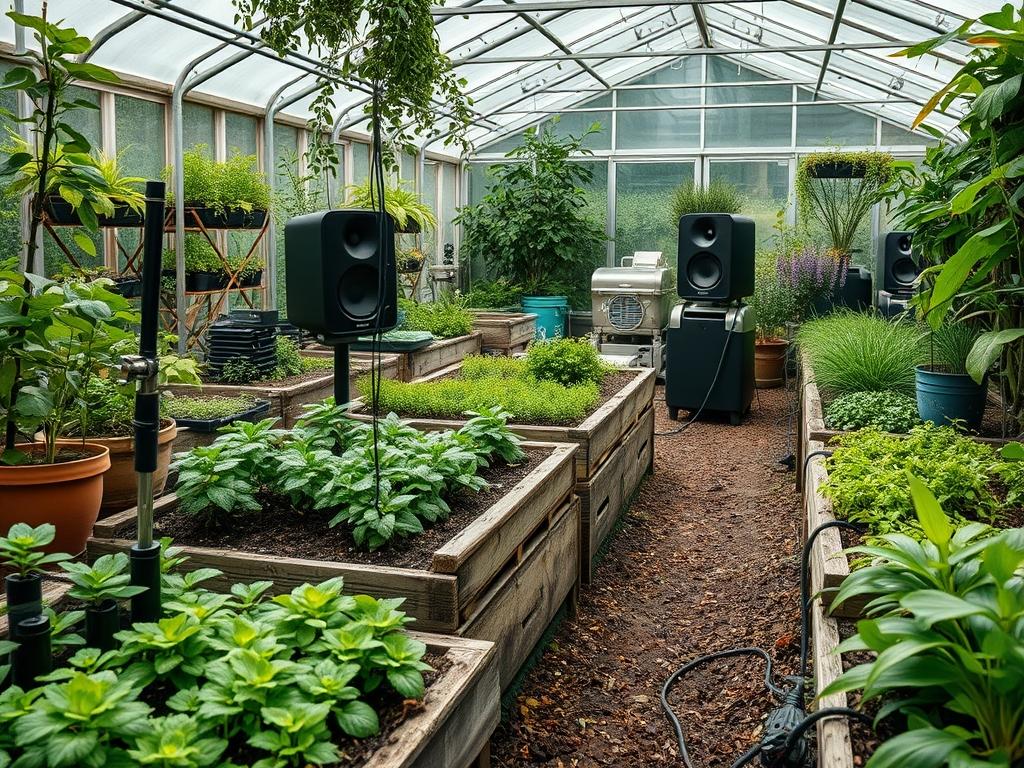
Designing a cohesive outdoor environment requires far more than placing a few shrubs or installing a patio. It demands a holistic understanding of how physical structures, living organisms, and technological components interact within a shared space. When embarking on an Outdoor Sound System Setup, the landscape architect must consider how sound travels across varying elevations and how botanical choices impact acoustic clarity. The challenge lies in creating an immersive auditory experience without compromising the visual integrity or the ecological health of the site. Climate considerations play a pivotal role in this process; high humidity, salt spray in coastal zones, and extreme temperature fluctuations can damage sensitive equipment if the landscape is not engineered for protection. Functionality and curb appeal must coexist. A well planned garden provides the necessary infrastructure for wiring and hardware while using natural textures to soften the appearance of modern technology.
Landscape Design Principles
Symmetry and visual balance serve as the foundation of any sophisticated landscape. In a professional Outdoor Sound System Setup, symmetry ensures that the distribution of sound remains consistent across a designated listening area. When a designer places speakers within a garden, they must align them with the existing geometry of the architecture or the natural flow of the terrain. Focal points, such as a custom fire pit or a tiered fountain, act as the anchor for the outdoor living room. These features naturally draw people toward specific zones where audio performance should be optimized. By centering the soundstage around these primary gathering points, the designer creates a sense of purpose and intimacy within the larger yard.
Elevation layers are equally critical in both aesthetic and acoustic planning. A flat, expansive lawn provides no character and often creates unwanted echoes. By introducing retaining walls and raised planter beds, the architect creates vertical interest while providing discreet mounting surfaces for landscape speakers. These changes in grade allow for better sound projection, as audio sources can be positioned at varying heights to mimic a more natural three dimensional sound field. Lower layers of groundcover transition into mid level shrubs, eventually reaching a canopy of trees. This layering technique helps to absorb excess noise and prevents sound from bleeding into neighboring properties.
Irrigation planning must be integrated into the design from the very beginning. Moisture is the primary enemy of electrical components. Therefore, the placement of rotary nozzles and drip emitters must be strategically coordinated to avoid direct spray onto speaker grilles or subwoofers. Similarly, walkways provide the necessary pathways for traffic, keeping pedestrians off sensitive groundcover while also serving as a logical guide for underground cable runs. A flagstone path or a paver walkway can hide a PVC conduit, allowing for easy access to wiring without disrupting the root systems of nearby plants.
Plant and Material Selection
| Plant Type | Sun Exposure | Soil Needs | Water Demand | Growth Speed | Maintenance Level |
| :— | :— | :— | :— | :— | :— |
| Emerald Green Arborvitae | Full Sun | Well-drained | Moderate | Medium | Low |
| Green Velvet Boxwood | Full Sun to Shade | Loamy | Moderate | Slow | Moderate |
| Leyland Cypress | Full Sun | Diverse | Moderate | Fast | Moderate |
| Maiden Grass | Full Sun | Moist/Well-drained | Low | Fast | Low |
| Creeping Juniper | Full Sun | Sandy/Dry | Low | Medium | Very Low |
| Star Jasmine | Partial Shade | Humus-rich | High | Medium | Moderate |
| Dwarf English Laurel | Partial Shade | Acidic | Moderate | Medium | Low |
Selecting the right materials extends beyond plants to the hardscaping elements. High density natural stone reflects sound, which can be useful for echoing soft music across a pool area, whereas mulch and organic groundcover absorb sound, making them ideal for quiet seating areas. Hardwood decking, such as Ipe or Cedar, offers a resonance that feels warmer than concrete or brick. When choosing plants to surround an Outdoor Sound System Setup, it is wise to select species like Emerald Green Arborvitae for permanent screening. These evergreens provide a year round visual and acoustic barrier that protects the privacy of the homeowner while hiding bulky subwoofers.
Implementation Strategy
The successful execution of an outdoor layout begins with a detailed site survey and the marking of all existing utilities. Before any soil is moved, the designer must identify the location of the main electrical panel and the audio receiver to plot the most efficient cable routes. Grading is the next priority. The land must be sloped away from the home and any electronic housing units to prevent water’s accumulation. A slope of one quarter inch per foot is generally the standard for ensuring proper runoff toward the yard’s french drain or catch basin.
Once the grading is established, workers begin the trenching process. For a reliable Outdoor Sound System Setup, all speaker wires should be housed in 3/4 inch PVC conduit buried at a depth of at least 12 inches. This depth protects the cables from aeration tools, shovels, and the weight of garden machinery. The edges of the planting beds should be defined with steel edging or poured concrete curbing. These boundaries prevent mulch from spilling onto speakers and help maintain a clean, professional aesthetic.
When installing hardscaping, such as a patio or retaining wall, conduits should be laid beneath the compacted gravel base before the pavers are set. This foresight prevents the need to lift heavy stones later if the system requires maintenance or expansion. Finally, applying a layer of hardwood mulch at a depth of 3 inches will help retain soil moisture for the plants while providing a soft landing for any sound waves reflecting off the ground.
Common Landscaping Failures
One of the most frequent mistakes in landscape architecture is neglecting proper drainage around integrated technology. If a subwoofer is buried in a low spot without a dedicated gravel drainage pit, it will likely fail during the first heavy rain. Standing water causes corrosion and short circuits that can destroy an entire system. Another common failure is the lack of foresight regarding root encroachment. Planting a fast growing tree like a Silver Maple too close to buried conduits will eventually lead to crushed pipes and severed wires as the root system expands.
Improper spacing of plants can also compromise the audio quality. If a Japanese Holly is planted directly in front of a speaker, the dense foliage will muffle high frequency sounds and create a muddy acoustic profile. Furthermore, soil compaction is an often overlooked issue. When heavy machinery is used during the construction of a patio or deck, the surrounding soil becomes compacted, preventing proper air and water circulation for the plants. This leads to stunted growth and unappealing gaps in the perimeter screening. Lastly, irrigation inefficiencies, such as improperly aimed sprinkler heads, can lead to calcium buildup on speaker components, which is difficult to remove without damaging the finish.
Seasonal Maintenance
Spring provides the perfect opportunity for a comprehensive system and landscape check. This is the time to clear away debris that has accumulated over the winter, such as fallen branches or matted leaves, which can block speaker output. Inspect the mulch levels and top them off to ensure the soil remains insulated. During the summer, the focus shifts to moisture management and pruning. Ensure that fast growing species like Leyland Cypress are trimmed back so they do not grow over the audio equipment. Check the irrigation system for leaks that might be saturating the ground near wire junctions.
In the autumn, the primary goal is leaf removal. Decomposing leaves produce acidic compounds that can discolor stone surfaces and damage the protective coatings on outdoor electronics. Clear all drainage grates to prevent autumnal rains from flooding the yard. As winter approaches, the landscape should be winterized. In colder climates, this might involve covering specific equipment or ensuring that there is no standing water in the conduits that could freeze and expand. Perennials should be cut back, and any tender plants should be wrapped in burlap to protect them from frost, ensuring the landscape remains a beautiful backdrop for the outdoor theater or lounge area once the warm weather returns.
Professional Landscaping FAQ
How deep should I bury my speaker wires?
You should bury direct burial rated speaker wire or PVC conduit at least 12 inches below the surface. This depth protects the lines from gardening tools like shovels, aerators, and edgers while ensuring the system remains undisturbed.
Which plants best hide outdoor subwoofers?
Dense, low-growing evergreens like Green Velvet Boxwood or Dwarf Yew are excellent choices. They provide year round coverage and thick foliage that conceals the hardware without blocking the low frequency sound waves produced by the equipment.
Can irrigation systems damage my outdoor speakers?
Yes, constant exposure to water from sprinkler heads can cause mineral buildup or internal corrosion. It is vital to adjust rotary nozzles to spray away from electronics and use drip irrigation for plants near the hardware.
How do I prevent sound from disturbing my neighbors?
Using a combination of retaining walls and thick hedges like Emerald Green Arborvitae can create an acoustic buffer. These structures reflect or absorb sound, keeping the audio focused within your yard rather than letting it bleed outward.
Is mulch safe to use around landscape speakers?
Hardwood mulch is safe and beneficial as it absorbs sound and prevents soil erosion. However, ensure the mulch does not cover the speaker grilles or cooling vents, as this can lead to overheating and audio distortion.