
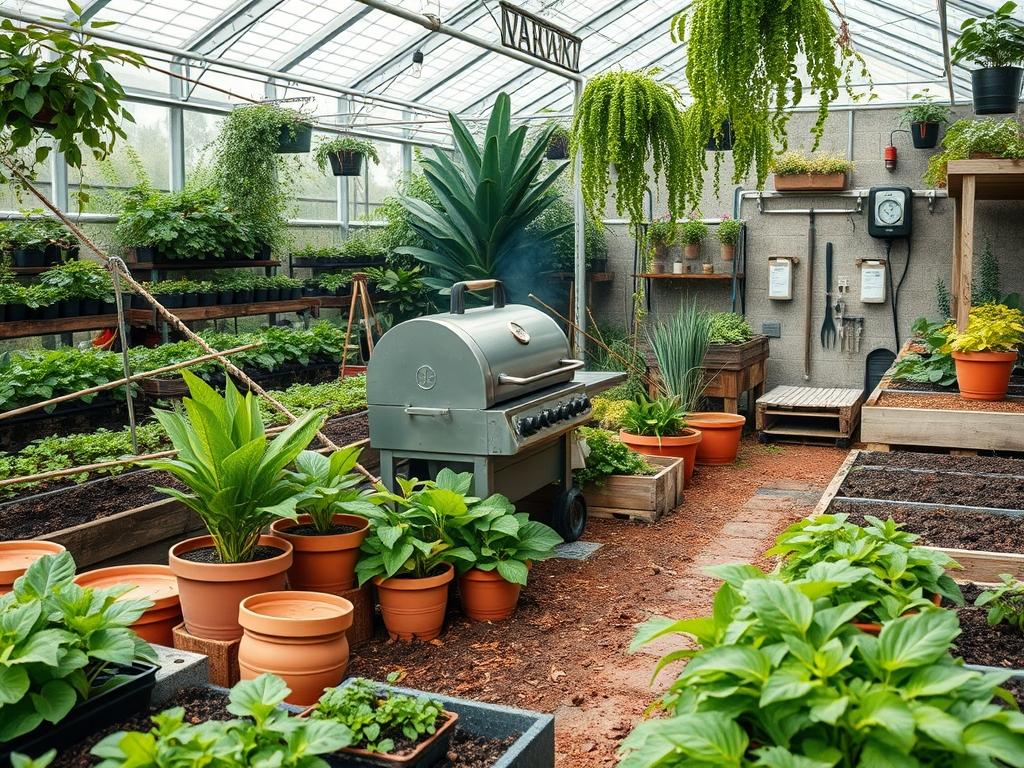
Creating a cohesive outdoor culinary space requires more than simply placing a grill on a patio and calling it a kitchen. True barbecue station organization begins with the fundamental integration of the cooking zone into the broader landscape architecture of the property. For many homeowners, the challenge lies in balancing the heavy, industrial nature of grilling equipment with the soft, organic textures of a garden. A poorly planned station can disrupt the flow of a backyard, create fire hazards, or lead to drainage issues that undermine the structural integrity of the home foundation. By approaching the station as a permanent architectural feature rather than a portable appliance, we can enhance curb appeal and ensure that the outdoor environment remains functional across all seasons. Climate considerations are paramount; prevailing wind patterns must be analyzed to prevent smoke from drifting into the indoor living areas or toward guest seating. Furthermore, the selection of materials must account for thermal expansion and the corrosive effects of grease and saltwater if the property is located near a coastline.
Landscape Design Principles
Effective barbecue station organization relies on the same principles used to design a high-end interior kitchen, but with the added complexity of environmental variables. Symmetry and visual balance play a key role in how the eye perceives the space. A large, stainless steel grill can feel visually heavy if it is not grounded by appropriate elevation layers. This might involve building a retaining wall behind the station to create a clear boundary or using tiered planters to soften the transition from “hard” surfaces to “soft” landscaping.
Focal points should be intentional. While the grill is the functional heart, it should be framed by permanent elements like natural stone pillars or timber pergolas. These structures provide a sense of verticality that prevents the station from feeling like an island in a sea of grass. Walkways must be designed for efficiency; the path between the indoor kitchen and the outdoor station should be a minimum of 48 inches wide to allow two people to pass comfortably. Using flagstone or concrete pavers ensures a stable, non-slip surface for the cook.
Irrigation planning is an often overlooked aspect of design. Because heat from the grill can dry out nearby soil, plants in the immediate vicinity require a dedicated zone on the drip irrigation system. Additionally, the station must be situated to avoid blocking access to cleanouts or water shut-off valves. By considering these technical details during the schematic phase, the final installation feels like an organic extension of the house rather than an afterthought.
Plant and Material Selection
The following table provides a selection of plant species and materials that complement a high-heat environment while maintaining aesthetic value throughout the year.
| Plant/Material Type | Sun Exposure | Soil Needs | Water Demand | Growth Speed | Maintenance Level |
| :— | :— | :— | :— | :— | :— |
| Rosemary | Full Sun | Well-drained | Low | Moderate | Low |
| Boxwood | Partial Shade | Loamy | Medium | Slow | Moderate |
| Lemongrass | Full Sun | Rich/Moist | High | Fast | Low |
| Creeping Thyme | Full Sun | Sandy/Gritty | Low | Moderate | Very Low |
| Serviceberry | Full Sun/Part Shade | Acidic | Medium | Moderate | Low |
| Basalt Pavers | N/A | Compacted Sub-base | N/A | N/A | Low |
| Cedar Mulch | N/A | N/A | N/A | N/A | Annual Refresh |
Implementation Strategy
The first step in executing a professional layout is proper site preparation and grading. A barbecue station must sit on a surface that has a 1% to 2% slope away from any permanent structures to prevent water pooling. If the area is naturally low-lying, you must install a French drain or a catch basin underneath the base layer to manage runoff. Once the grade is established, the sub-base is laid using 6 inches of compacted crushed stone, followed by a 1-inch layer of sand for leveling.
Next, focus on hardscaping. For permanent barbecue station organization, masonry units like CMU blocks with a stone veneer provide a fireproof and durable housing for the grill. When setting the island, ensure there is at least 36 inches of clear counter space on at least one side of the grill for prep work. Edging is then installed to create a clean break between the masonry and the garden beds. Steel edging or cobblestone borders prevent the migration of mulch and soil onto the cooking surface.
After the hardscape is set, the planting phase begins. Apply a landscape fabric only in areas where weeds are a significant concern, but generally, a 3-inch layer of hardwood mulch is sufficient to regulate soil temperature and retain moisture. When planting near the heat source, choose species like Rosemary or Lavender that can withstand higher temperatures and provide aromatic benefits during cooking. Finally, ensure all low-voltage LED lighting is installed along the walkways and within the station to allow for safe operation after sunset.
Common Landscaping Failures
One of the most frequent mistakes in barbecue station organization is the failure to account for the “chimney effect.” When a grill is placed too close to a vertical wall or under a low overhang without proper venting, heat and soot accumulate quickly, causing structural damage or staining. Proper spacing dictates that a grill should be at least 36 inches away from any combustible materials, including wooden fences or vinyl siding.
Soil compaction is another silent killer of backyard aesthetics. During the construction of the station, heavy foot traffic and equipment can crush the pore spaces in the soil, leading to poor root growth and “bathtubbing,” where water sits in the planting hole and rots the roots. Using air spades or tilling in organic compost can remediate this before final planting occurs. Furthermore, many DIY projects fail to account for root intrusion. Planting large trees like Oaks or Maples too close to a masonry station will eventually lead to the root systems lifting the concrete footings, causing the kitchen to crack and tilt.
Lastly, irrigation inefficiencies often result in the overwatering of drought-tolerant plants or the underwatering of species adjacent to the grill. If the spray heads are not adjusted, water can hit the hot metal surfaces of the grill, causing rapid cooling and potential warping or rusting over time.
Seasonal Maintenance
Landscape management is a year-round commitment that ensures the barbecue area remain pristine. In the spring, the focus is on restoration. This involves removing winter debris, checking the irrigation lines for leaks, and applying a fresh layer of organic mulch to the surrounding beds. It is also the time to prune any Boxwoods or Evergreens that may have suffered from snow load or desiccation.
During the summer, the priority shifts to hydration and pest management. High temperatures around the grill can invite spider mites or aphids. Treat the surrounding plants with neem oil or insecticidal soap if necessary. Regular deadheading of flowering perennials will keep the station looking vibrant through the peak hosting months.
Autumn requires a transition toward protection. Clear the area of fallen leaves, which can become a fire hazard if they accumulate behind the grill. This is also the best time to aerate the lawn areas surrounding the station to combat the compaction from summer gatherings. In the winter, if you reside in a cold climate, the focus is on winterizing. Shut off the outdoor water supply, drain the pipes to prevent freezing, and apply a burlap wrap to any sensitive shrubs that might be damaged by salt or wind.
Professional Landscaping FAQ
How far should my grill be from my house?
Maintain a minimum distance of 10 feet from your home or any combustible structures. This prevents fire hazards and stops smoke from staining your siding. Proper clearance ensures heat can dissipate without damaging your primary residence or nearby vegetation.
What is the best material for a barbecue station base?
Concrete pavers or natural stone are ideal. They provide the necessary weight capacity for heavy grills and offer superior fire resistance. Avoid using wood decking directly under the heat source unless a non-combustible grill mat is utilized for protection.
Can I plant trees near my outdoor kitchen?
Yes, but choose small-maturing species with non-invasive root systems. Japanese Maples or Dogwoods are excellent choices. Ensure they are planted far enough away so that their mature canopy does not overhang the grill and create a fire risk.
How do I prevent my barbecue station from sinking?
The key is a compacted gravel sub-base of at least 6 inches. Without a stable foundation, the weight of the grill and masonry will cause the ground to shift. Proper grading and drainage pipes also prevent water from eroding the soil underneath.
How do I manage runoff from the cooking area?
Install a French drain or a slightly sloped trench drain along the edge of the pavers. This directs greasy water and rain away from your garden beds and into a designated drainage area, protecting your plants from chemical contamination.