
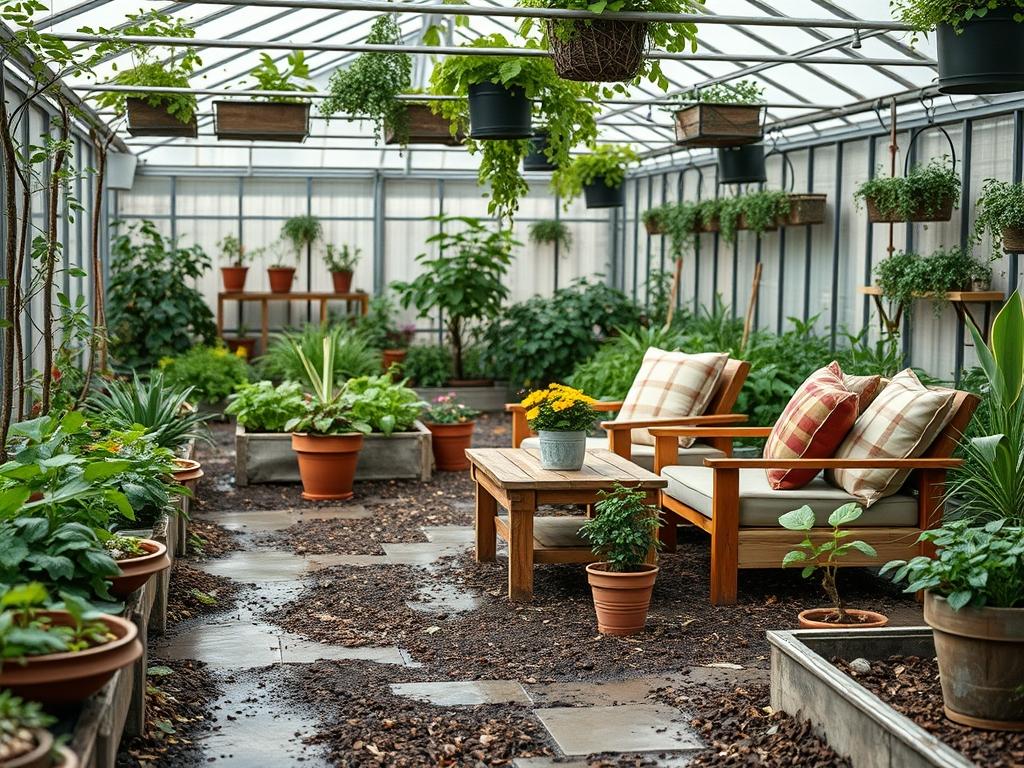
Small decks often present a unique architectural puzzle because every square inch must justify its existence. While a sprawling lawn offers room for error, a compact elevated platform or small patio requires precise spatial planning to feel intimate rather than cramped. Achieving Cozy Patio Seating Ideas starts with understanding how the deck interacts with the surrounding landscape. Homeowners must consider local microclimates, such as wind tunnels created between structures or afternoon sun exposure that might render a small space unusable without proper shading. Integrating seating into the broader landscape plan enhances curb appeal and increases the property value by maximizing functional square footage. By treating the deck as an outdoor room rather than an isolated platform, you create a seamless transition between the interior comfort of the home and the organic movement of the garden.
Environmental factors play a critical role in the success of a small deck design. A deck that feels exposed to neighbors or the street will never feel truly cozy; therefore, the landscape architect must consider sightlines and sound attenuation. Softscaping around the perimeter of the deck can act as a natural buffer, while the strategic placement of furniture can direct the occupant’s view toward a specific garden focal point. This holistic approach ensures that the seating area serves as an anchor for the entire backyard ecosystem, balancing the hard lines of the deck with the soft textures of the surrounding flora.
Landscape Design Principles
When designing for small spaces, the principle of visual balance is paramount. Symmetrical layouts can provide a sense of order and calm, while asymmetrical designs often make a small area feel larger by encouraging the eye to move around the space. To ground a small deck, consider creating a primary focal point. This could be a small water feature, a high-quality fire vessel, or even a specimen plant like a Japanese Maple. The goal is to give the eye a place to rest, which prevents the seating area from feeling cluttered.
Elevation layers are another essential tool for the landscape architect. On a small deck, this can be achieved through the use of tiered planters or by incorporating built-in perimeter seating. Built-in benches save floor space that would otherwise be occupied by chair legs, allowing for more fluid movement. Furthermore, these structures can double as Retaining Walls if the deck is integrated into a slope. Proper irrigation planning must be hidden beneath the deck surface or integrated into the planters to ensure that the surrounding greenery thrives without visible hoses or pipes disrupting the aesthetic. Finally, the choice of walkways leading to the deck should complement the material of the seating area, using Natural Stone or Pavers to create a cohesive journey from the house to the outdoor sanctuary.
Plant and Material Selection
For a small deck to feel cozy, the selection of plants and materials must be intentional. Choose foliage that provides privacy without overwhelming the space. The following table outlines optimal choices for greenery that complements small outdoor seating areas.
| Plant Type | Sun Exposure | Soil Needs | Water Demand | Growth Speed | Maintenance Level |
| :— | :— | :— | :— | :— | :— |
| Dwarf Boxwood | Full to Part Sun | Well-drained | Moderate | Slow | Low |
| English Lavender | Full Sun | Sandy/Gravelly | Low | Medium | Low |
| Creeping Jenny | Full to Part Sun | Moist | High | Fast | Moderate |
| Emerald Green Arborvitae | Full Sun | Loamy | Moderate | Medium | Low |
| Blue Star Creeper | Full to Part Sun | Rich/Well-drained | Moderate | Medium | Low |
| Japanese Forest Grass | Part to Full Shade | Humus-rich | High | Slow | Medium |
In addition to plants, the materials used for the deck and seating should be durable and low-maintenance. Composite Decking is a popular choice for its longevity, while Cedar or Redwood offers a classic look that ages gracefully. For seating, look for Powder-coated Aluminum or Synthetic Wicker which can withstand various weather conditions without constant upkeep. Use Outdoor Fabric treated for UV resistance to ensure that cushions remain vibrant even after several seasons of sun exposure.
Implementation Strategy
The successful implementation of Cozy Patio Seating Ideas begins with a site analysis. Start by checking the grading of the land surrounding the deck. Water must flow away from the foundation of the house and the deck supports to prevent rot and soil erosion. If the area is flat, installing a French Drain or a slight slope using Bank Gravel may be necessary. Once the drainage is secured, use Stakes and String Lines to map out the footprint of your seating and any new garden beds.
Next, focus on the hardscaping. If you are adding a small patio extension to your deck, excavate the area to a depth of 6 inches. Lay a 4-inch base of crushed stone, followed by a 2-inch layer of sand before setting your Stone Pavers. This stable foundation prevents shifting over time. For the garden beds adjacent to the seating, apply a 3-inch layer of Hardwood Mulch to retain moisture and suppress weeds. When installing built-in seating, ensure you use Stainless Steel Fasteners to avoid rust streaks on the wood. Finally, integrate low-voltage LED Lighting along the stairs and under the benches to enhance safety and ambiance during evening hours.
Common Landscaping Failures
One of the most frequent mistakes in small deck design is poor drainage planning. If water pools under the deck or around the seating area, it can lead to mold, insect infestations, and structural compromise. Ensure that the ground beneath the deck is sloped at a 2 percent grade away from the home. Another common failure is root overcrowding. Many homeowners plant large privacy screens too close to the deck. Over time, the root systems of aggressive species can heave the deck posts or crack the Concrete Footings. Always research the mature spread of a plant before installation.
Improper spacing of furniture is also a significant hurdle. In an effort to maximize seating, the deck can become a labyrinth that is difficult to navigate. A minimum of 36 inches of clearance is recommended for primary traffic paths. Soil compaction is another often overlooked issue. During the construction of a deck, heavy foot traffic can compress the soil, making it impossible for nearby plants to receive oxygen and water. Tilling the soil and adding Organic Compost before planting can mitigate this damage. Lastly, many ignore irrigation inefficiencies; a mismatch between plant water needs and the delivery system often results in either underwatered pots or overwatered foundations.
Seasonal Maintenance
To keep a small deck and its surrounding landscape in peak condition, a seasonal schedule is mandatory. In the spring, focus on cleaning the deck surface with a Pressure Washer on a low setting to remove winter grime. Apply a Pre-emergent Herbicide to garden beds and inspect irrigation lines for leaks or clogs. This is also the time to apply a fresh layer of Mulch and prune any winter-damaged branches from your Shrubs.
During the summer, the priority shifts to hydration and deadheading. Potted plants on a deck dry out faster than those in the ground, so daily watering may be required. Monitor for pests that thrive in heat, such as spider mites. In the autumn, clear fallen leaves promptly. Decomposing organic matter can stain deck boards and trap moisture against the wood, leading to rot. This is the ideal time to plant spring-blooming bulbs around the deck perimeter. In winter, store cushions and delicate furniture in a dry area. If you live in a climate with heavy snow, use a Plastic Shovel rather than a metal one to clear the deck, as metal can scratch the finish of the wood or composite material.
Professional Landscaping FAQ
How do I choose the best layout for a very small deck?
Focus on the primary use of the space. If dining is the priority, select a narrow Bistro Set. If lounging is the goal, a small Corner Sectional maximizes seating while keeping the center of the deck open for movement.
What are the best privacy options for small outdoor spaces?
Use vertical elements like Trellises with climbing vines or Tall Planters filled with Ornamental Grasses. These provide a green screen that occupies minimal floor space while adding texture and movement to the cozy environment.
How can I make my small deck feel more expensive on a budget?
Invest in high-quality Hardware, such as designer handles or caps for deck posts. Adding Outdoor Rugs and consistent Ceramic Planters creates a curated look. Proper Landscape Lighting also significantly elevates the nocturnal aesthetic of the space.
What is the best way to handle deck drainage?
Ensure the soil beneath the deck is correctly graded away from the house. For elevated decks, consider an Under-deck Ceiling System that catches water and funnels it into a gutter, keeping the area below dry for storage or additional seating.
How often should I restain or seal a wooden deck?
Most wooden decks require a fresh coat of Sealer or Stain every 2 to 3 years. Perform a water bead test; if water soaks into the wood rather than pooling on top, it is time for a new application.