
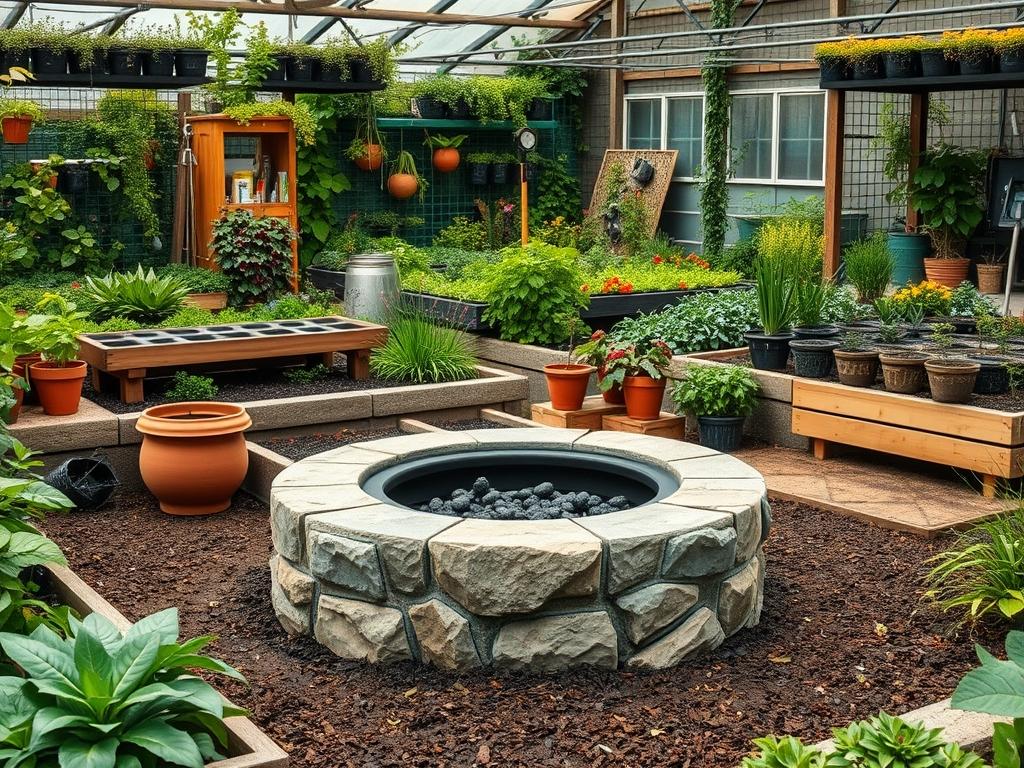
Transforming a residential backyard into a sophisticated outdoor living space requires more than just high quality furniture and a manicured lawn. The integration of Stone Fire Pit Kits represents a strategic move in landscape architecture to establish a permanent focal point that bridges the gap between structured hardscaping and the fluid beauty of the natural environment. These kits solve a primary landscaping challenge by providing a controlled, aesthetic hearth that serves as a destination for social interaction and relaxation. When we evaluate the curb appeal and functionality of a property, the presence of a well installed fire pit suggests a level of intentionality and craftsmanship that basic yard work cannot replicate. A professional landscape consultant views the fire pit as the anchor of the outdoor room. Its placement must account for local climate variables, such as the direction of prevailing winds, and its design should complement the existing architectural style of the home. By utilizing pre-engineered kits, property owners can achieve professional grade results in a single weekend, provided they adhere to the fundamental principles of site preparation and material selection.
Landscape Design Principles
Successful garden planning relies on the concepts of symmetry and visual balance. When integrating a stone fire pit, the structure should not exist in isolation. Instead, it must be part of a larger geometric or organic layout that guides the eye and the movement of guests. We often use the fire pit to create a focal point at the end of a primary walkway, which encourages exploration of the further reaches of the property. This enhances the perceived size of the lot by drawing people away from the back door and toward a dedicated zone.
Elevation layers play a critical role in the spatial perception of the backyard. A fire pit installed on a slightly raised terrace or within a subtle depression can create a sense of enclosure and intimacy. Professional designs often incorporate retaining walls that serve double duty as secondary seating, known as seat walls. These walls should be approximately 18 inches high to provide ergonomic comfort. Symmetry is achieved by mirroring the stone types and colors found in the home’s foundation or decorative masonry. If your home features cool grey siding, a fire pit composed of Tumbled Granite or Basalt creates a cohesive look.
Beyond aesthetics, we must consider the flow of traffic. There should be a minimum of 5 to 7 feet of clearance around the entire perimeter of the fire pit to allow for comfortable seating and safe movement. This prevents the area from feeling cramped and ensures that guests are not trapped against the heat. Furthermore, the transition between the lawn and the fire pit should be seamless. Using flagstone or paver stones as a surrounding apron prevents the grass from being trampled and provides a stable surface for chairs.
Plant and Material Selection
The materials surrounding your fire pit must be both functional and resilient. While the stone kit itself provides the structure, the surrounding vegetation and ground cover define the environment. It is essential to select plants that can tolerate the radiant heat from the fire and the increased foot traffic of a gathering area.
| Plant Type | Sun Exposure | Soil Needs | Water Demand | Growth Speed | Maintenance Level |
| :— | :— | :— | :— | :— | :— |
| Blue Fescue | Full Sun | Well-Drained | Low | Moderate | Low |
| Lavender | Full Sun | Sandy/Rocky | Low | Moderate | Medium |
| Boxwood | Partial Shade | Loamy | Medium | Slow | Medium |
| Creeping Thyme | Full Sun | Gritty | Low | Fast | Low |
| Switchgrass | Full Sun | Versatile | Low | Fast | Low |
For the hardscape elements, crushed gravel or pea pebbles are excellent choices for the base layer beneath the stones because they allow for immediate drainage. Avoid using river rocks directly inside the fire pit or as the primary base if they are porous, as trapped moisture inside the rocks can expand when heated and cause them to crack or pop. Instead, use a high quality fire ring made of 14-gauge steel to protect the stone from direct flame contact.
Implementation Strategy
Planning the layout of your project begins with site grading. A perfectly level surface is the difference between a professional installation and a DIY project that looks amateur. Start by marking a circle with a radius at least 3 feet larger than your intended fire pit. Excavate this area to a depth of 8 inches. This depth allows for a 4-inch layer of compacted road base or crushed stone, followed by a 1-inch layer of leveling sand.
Once the base is excavated, check for any underground utility lines or irrigation pipes. It is common to find irrigation lines running through the middle of a backyard; these must be rerouted before you begin laying stone. Use a plate compactor or a hand tamper to ensure the gravel base is rock solid. If the soil is loose, the weight of the Stone Fire Pit Kits will cause the structure to sink or tilt over time.
Laying the first tier of stones is the most critical step. Use a 4-foot level to ensure each stone is perfectly horizontal and aligned with its neighbor. For many kits, a high temperature paver adhesive is recommended between tiers to prevent the stones from shifting. As you build upward, stagger the joints of the stones, much like a brick wall, to increase structural integrity. Finally, backfill the center of the pit with lava rock or fire glass to provide an even distribution of heat and to hide the interior rings.
Common Landscaping Failures
The most frequent mistake in fire pit installation is poor drainage. If the pit is built in a low spot of the yard without a proper gravel sub-base, it will collect rainwater and become a breeding ground for mosquitoes. The interior of the pit should always allow water to percolate down into the soil rather than pooling.
Another common failure involves root overcrowding. Planting large trees too close to a fire pit is a recipe for disaster. The heat from the fire can stress the tree, and the tree’s roots may eventually heave the stone foundation, causing the pit to crack. Maintain a minimum distance of 15 feet from any major canopy trees.
Lastly, many homeowners neglect the chimney effect. If a fire pit is built too deep without any air intake, the fire will struggle to stay lit and will produce excessive smoke. Ensure your kit has small gaps or dedicated vents in the lower tiers to allow oxygen to feed the flames from below. This results in a cleaner, hotter burn that produces less soot and smoke.
Seasonal Maintenance
To keep your stone fire pit and the surrounding landscape in peak condition, a seasonal maintenance routine is required. During the spring, inspect the stones for any shifting caused by the winter frost heave. This is the time to replenish mulch in the surrounding garden beds to a depth of 3 inches, which helps retain moisture for your plants as the temperature rises.
In the summer, focus on irrigation efficiency. Ensure that your sprinklers are not hitting the fire pit directly, as constant moisture can lead to efflorescence, a white powdery salt deposit on the stone surface. Prune any Lavender or ornamental grasses that have grown too close to the heat zone.
Autumn is the season for deep cleaning. Remove all ash and unburnt wood, as wet ash can become acidic and damage the stone or the steel fire ring. Check the paver adhesive for any cracks and reapply if necessary. During the winter, if you live in a climate with heavy snow, covering the fire pit with a heavy duty waterproof cover will prevent moisture from seeping into the stone pores and freezing, which is the primary cause of stone spalling and cracking.
Professional Landscaping FAQ
What is the best base material for a stone fire pit?
A compacted layer of crushed stone or road base is superior to sand alone. It provides the structural stability needed for heavy stones while allowing water to drain away from the site, preventing frost heave.
How far should a fire pit be from my house?
Safety standards and local building codes generally require a minimum distance of 10 to 20 feet from any combustible structures, including your home, deck, or overhanging trees. Always check local fire ordinances before beginning excavation.
Do I need to use mortar for a stone fire pit kit?
Most modern kits are designed for dry stacking or use high temperature paver adhesive. Traditional mortar is prone to cracking under high heat unless it is specifically rated as refractory mortar, which is rarely needed for outdoor kits.
Can I build a fire pit on top of my lawn?
Building directly on grass is a recipe for failure. The heat will kill the turf, and the weight of the stones will cause the pit to settle unevenly. Proper excavation and a gravel base are mandatory for longevity.
Why is my fire pit producing so much smoke?
Excessive smoke is usually caused by damp wood or a lack of airflow. Ensure your fire pit has adequate ventilation at the base and use only seasoned hardwoods like Oak or Hickory for a cleaner burn.