
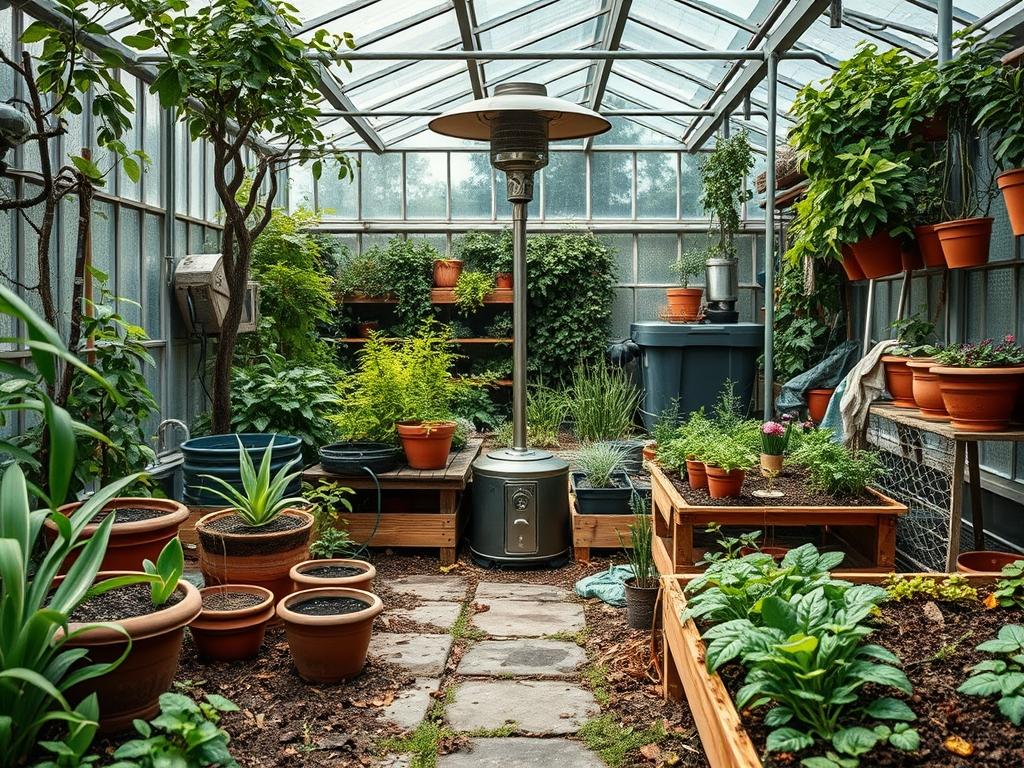
Transforming a residential landscape into a functional, year-round environment requires a sophisticated understanding of both thermal comfort and spatial organization. The primary challenge for most homeowners lies in bridging the gap between the aesthetic appeal of a garden and the physical reality of dropping temperatures. When we discuss outdoor heating options, we are not merely talking about placing a portable unit on a patio. Instead, we are looking at the strategic integration of heat sources into the very fabric of the outdoor living space. A well-designed landscape utilizes heating elements to extend usability through the transition of seasons, ensuring that investments in curb appeal and high-end hardscaping do not go to waste during the colder months. This involves a delicate interplay of windbreak positioning, material selection, and site grading to ensure that warmth is retained where it is needed most.
Landscape Design Principles
Effective landscape design for year-round utility begins with the concept of the thermal envelope. Symmetry plays a vital role here; by flanking a primary seating area with dual infrared heaters or identical stone masonry pillars, we create a sense of order and visual balance that anchors the space. These elements act as focal points, drawing the eye toward the warmth while defining the boundaries of the outdoor room. Elevation layers are equally crucial. By utilizing retaining walls or raised deck platforms, a designer can create distinct microclimates. Heat naturally rises, so lower-level sunken fire pits often benefit from the surrounding earth acting as natural insulation, while elevated terraces require more robust, wind-resistant heating solutions.
Irrigation planning must be considered alongside heating installation. Electrical lines for radiant heating or gas lines for custom fire features should be mapped concurrently with water lines to avoid future structural conflicts. Walkways also serve a dual purpose in this context. Use permeable pavers to ensure proper moisture management, as standing water near heating elements can lead to dangerous icing or rapid cooling. Visual balance is achieved when the scale of the heating source matches the surrounding architecture. A massive outdoor fireplace would overwhelm a small urban courtyard, whereas small propane heat lamps might look insignificant in a sprawling estate garden.
Plant and Material Selection
Selecting the right biological and structural components is essential for maintaining a healthy landscape around high-output heat sources. Plants must be resilient to localized temperature fluctuations and potential desiccation.
| Plant Type | Sun Exposure | Soil Needs | Water Demand | Growth Speed | Maintenance Level |
| :— | :— | :— | :— | :— | :— |
| Russian Sage | Full Sun | Well-drained | Low | Fast | Low |
| Blue Oat Grass | Full Sun | Sandy/Loamy | Moderate | Medium | Low |
| Boxwood | Partial Shade | Loam | Moderate | Slow | High |
| Lavender | Full Sun | Alkaline | Low | Medium | Medium |
| Eastern Red Cedar| Full Sun | Adaptable | Low | Medium | Low |
| Creeping Thyme | Full Sun | Rocky/Poor | Low | Fast | Low |
When selecting hardscape materials, prioritize those with high thermal mass, such as flagstone, travertine, or poured concrete. These materials absorb heat during the day or from active heaters and slowly release it back into the environment after the sun has set.
Implementation Strategy
Developing a garden layout that incorporates heating requires a step by step approach to site preparation. First, assess the grading of the land. The ground must slope away from the home and any permanent heating structures at a rate of at least 1 inch of drop for every 10 feet of distance to ensure proper drainage. Once the grade is established, the placement of hardscaping elements like limestone patios or composite decking should be finalized.
For a custom gas fire pit, the installation begins with trenching for the underground utility lines, which typically must be buried at least 18 inches deep depending on local building codes. Edging is then installed to create clean transitions between the heated hardscape zones and the planting beds. A consistent 3-inch layer of hardwood mulch should be applied to the surrounding garden beds to regulate soil temperature and protect root systems from the drying effects of nearby heaters. Finally, ensure that all overhead heaters are mounted to structural beams capable of supporting the weight and resisting wind shear, typically requiring heavy-duty galvanized bolts.
Common Landscaping Failures
The most frequent error in outdoor heating integration is the neglect of drainage. When a fire pit or radiant patio is installed without considering hydrostatic pressure, water can pool beneath the surface, leading to cracked masonry or shifting pavers during freeze and thaw cycles. Another common failure is root overcrowding. Homeowners often plant screen trees too close to permanent fireplaces, failing to realize that the heat can dry out the foliage or that the roots will eventually move the heavy concrete footings.
Improper spacing of heating units often leads to cold spots or, conversely, uncomfortably hot zones that discourage lingering. In many cases, soil compaction occurs during the construction of these outdoor features. If the soil is not properly aerated after the heavy machinery leaves, the surrounding native plants will struggle to survive regardless of how much warmth is provided. Irrigation inefficiencies also arise when sprinkler heads are positioned too close to fire features, leading to steam damage or uneven watering patterns due to the heat interfering with the spray.
Seasonal Maintenance
Maintenance for a heated landscape varies significantly by the calendar. During the spring, focus on inspecting all gas connections and electrical conduits for signs of wear or pest damage that may have occurred over the winter. This is also the time to apply a fresh layer of organic mulch to preserve moisture ahead of the warmer months. Summer maintenance involves checking your irrigation controllers to ensure that plants near heat sources are receiving adequate supplemental water to combat evaporation.
In the autumn, as leaves begin to fall, it is vital to keep all heating elements clear of debris to prevent fire hazards. Use leaf blowers or stiff-bristled brooms to clean the surfaces of infrared panels and fire grates. Winter landscape management focuses on protection. If the heating system includes water-based radiant pipes, ensure the system is properly winterized with propylene glycol if necessary. Use breathable covers for portable heaters and ensure all fuel tanks are stored safely. Regularly check the pH levels of the soil near ash-producing fire pits, as wood ash can significantly alter soil chemistry over time.
Professional Landscaping FAQ
What is the most energy efficient outdoor heating option?
Electric infrared heaters are highly efficient because they heat objects and people directly rather than the air. These units convert nearly all the energy consumed into targetable heat, making them ideal for areas where wind would dissipate warmth from gas-fired units.
Can I install a fire pit directly on a wood deck?
You should never place a fire pit directly on wood or composite decking. You must use a non-combustible hearth pad or a custom masonry plinth at least 4 inches thick to protect the substructure from heat transfer and potential embers.
How do I protect my plants from heater-related drying?
Position your heaters at least 5 feet away from sensitive foliage. Use drip irrigation at the base of the plants to ensure deep hydration, and apply a thick layer of cedar mulch to reduce the rate of soil moisture evaporation.
What material is best for a permanent outdoor fireplace?
Natural stone such as granite or basalt is excellent due to its durability and thermal mass. Ensure the interior is lined with fire bricks and high-temperature refractory mortar to withstand the extreme heat without cracking the exterior facade.
Do I need a permit for outdoor heating installations?
Most permanent installations involving natural gas lines or high-voltage electrical circuits require a local building permit. Always consult a licensed contractor to ensure the installation meets safety codes for clearance from structures and property lines to avoid legal issues.