
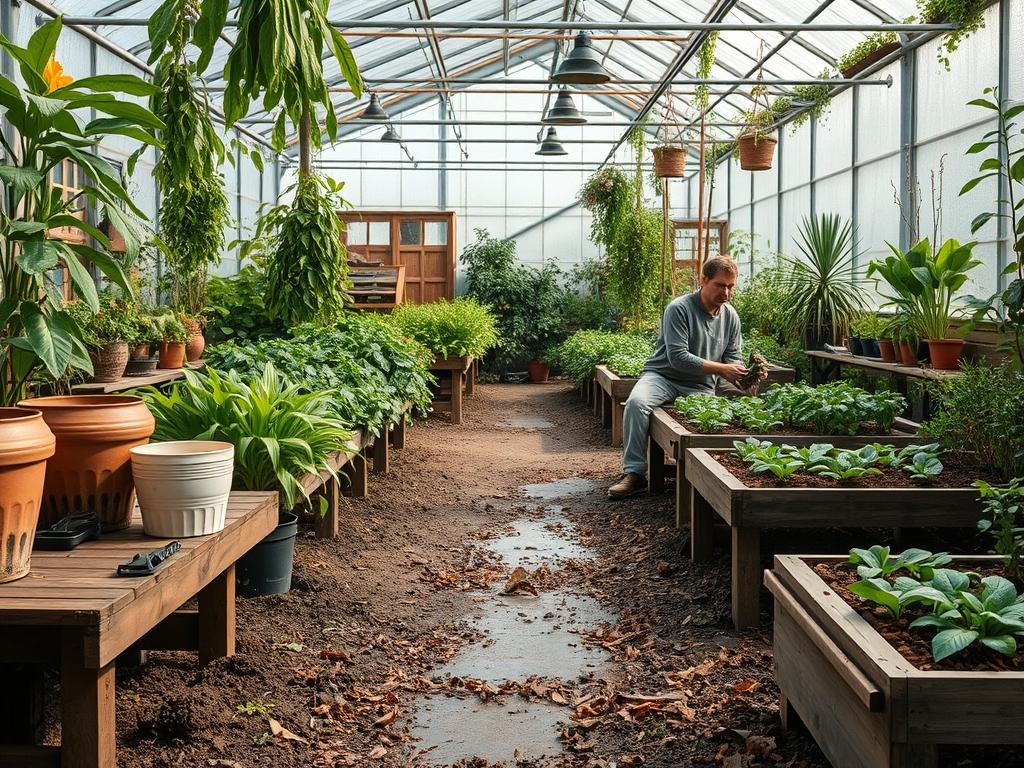
Creating a modern outdoor oasis requires a delicate balance between rhythmic natural aesthetics and the rigid requirements of architectural functionality. Most property owners view landscaping as a simple matter of choosing greenery, yet the true challenge lies in the integration of durable hardscaping with the soft elements that make a space livable. When we evaluate curb appeal and functionality, we must consider the environmental impact of every component, including the textiles used in seating areas. Modern design now prioritizes Eco-Friendly Outdoor Fabrics alongside native flora to ensure that the environment is preserved while providing a luxurious retreat. These fabrics, often derived from recycled plastics or organic fibers, must withstand intense UV exposure and moisture while remaining biodegradable or recyclable at the end of their lifecycle. Achieving this synergy requires a deep understanding of climate zones, soil composition, and the chemical makeup of the materials we bring into our gardens.
Landscape Design Principles
Successful landscape architecture relies on the foundational principle of visual balance. This is achieved through symmetry, or purposefully planned asymmetry, to guide the eye toward a specific focal point. A focal point could be a majestic Japanese Maple, a sculptural water feature, or a high-quality seating arrangement featuring sustainable textiles. In professional planning, we often use the rule of thirds to place these elements, ensuring the space feels curated rather than cluttered. Elevation layers are equally vital; by using Retaining Walls and terraced planting beds, designers can create depth and movement in even the flattest of yards. These layers should transition from low-growing groundcovers at the front of a border to mid-sized perennials, eventually reaching the heights of ornamental trees.
Irrigation planning must be integrated into the design phase rather than added as an afterthought. Designing for “hydrozones” involves grouping plants with similar water requirements together to maximize efficiency. This technical approach reduces water waste and ensures that drought-tolerant species are not over-saturated. Walkways serve as the circulatory system of the landscape, directing traffic and defining spaces. Using permeable materials like Crushed Granite or Porous Pavers allows rainwater to infiltrate the ground, reducing runoff and supporting the local water table. When these paths lead to a patio, the choice of furniture and Eco-Friendly Outdoor Fabrics becomes a primary design consideration. The texture and color of these fabrics should complement the natural stone and plant palette, creating a seamless transition between the built environment and the organic surroundings.
Plant and Material Selection
| Plant Type | Sun Exposure | Soil Needs | Water Demand | Growth Speed | Maintenance Level |
| :— | :— | :— | :— | :— | :— |
| Lavender (Lavandula) | Full Sun | Well-Drained | Low | Moderate | Low |
| Switchgrass (Panicum) | Full/Partial Sun | Adaptable | Low to Medium | Fast | Low |
| Oakleaf Hydrangea | Partial Shade | Rich, Acidic | Medium | Moderate | Medium |
| Sedum (Stonecrop) | Full Sun | Sandy/Rocky | Very Low | Fast | Very Low |
| Blue Star Creeper | Full/Partial Sun | Moist/Loamy | Medium | Moderate | Medium |
| Serviceberry Tree | Full/Partial Sun | Loamy/Well-Drained | Medium | Moderate | Low |
Implementation Strategy
The process of bringing a landscape vision to life begins with precise site preparation. Before any plant is placed, the site must be surveyed with a Transit Level to determine the natural slope and drainage patterns. Grading is the most critical step; the land must be contoured to direct water away from the foundation of the home and toward designated drainage areas or rain gardens. Once the grade is established, we mark the edges of beds and walkways using Landscape Edging or Steel Stakes and string lines. This provides a crisp boundary that prevents turf grass from encroaching into planting zones.
Soil health is the next priority. A heavy application of Organic Compost should be tilled into the top 6 Inches of soil to improve tilth and nutrient availability. For hardscaping elements like patios or decks, a base of 3/4-Inch Crushed Stone is compacted to provide a stable foundation. When selecting furniture for these areas, professional consultants prioritize Eco-Friendly Outdoor Fabrics made from Solution-Dyed Acrylic or Recycled Polyester. These materials are specifically designed to resist mold and fading without the use of harmful PFC treatments. After the plants are installed, a 3-Inch Layer of Hardwood Mulch is applied. Mulch serves several purposes: it retains soil moisture, suppresses weed growth, and regulates soil temperature. Finally, the irrigation system, whether it is a sophisticated Drip Irrigation network or a simple soaker hose, is tested to ensure every root ball receives adequate hydration during the establishment period.
Common Landscaping Failures
The most frequent error in residential landscaping is improper drainage management. When water is allowed to pool near root zones, it creates anaerobic conditions that lead to root rot and plant death. Similarly, ignoring the mature size of a plant often leads to root overcrowding and competition for resources. Property owners frequently plant trees too close to the home, which can eventually cause structural damage to foundations and gutters.
Another common failure involves soil compaction. During construction or heavy gardening, the weight of machinery or repeated foot traffic crushes the macropores in the soil, preventing air and water from reaching the roots. This is often seen in lawns that look stunted despite regular watering. Furthermore, irrigation inefficiency is a silent killer; many systems are set to run on a timer rather than responding to actual moisture levels, leading to both wasted water and stressed plants. In the realm of outdoor living, choosing cheap, non-sustainable textiles is a mistake. Low-quality fabrics degrade quickly under UV light, becoming brittle and leaching microplastics into the garden. Investing in high-performance Eco-Friendly Outdoor Fabrics avoids the cycle of constant replacement and environmental contamination.
Seasonal Maintenance
Landscape management is a year-round commitment that changes with the cycles of nature. In the spring, the focus is on rejuvenation. This is the time to prune dead wood from shrubs, divide overcrowded perennials, and apply a fresh layer of Compost. Pre-emergent weed control should be applied before the soil reaches 55 Degrees Fahrenheit to prevent the germination of invasive seeds. As summer arrives, the priority shifts to moisture management. Deep, infrequent watering is better than shallow daily sprays, as it encourages roots to grow deeper into the cooler soil. During heatwaves, check the tension and cleanliness of your Eco-Friendly Outdoor Fabrics to ensure they remain in peak condition.
Autumn is the season for planting and preparation. The cooling temperatures and increased rainfall provide the perfect environment for new trees and shrubs to establish roots before the ground freezes. It is also the time to aerate the lawn and apply a Slow-Release Fertilizer. As winter approaches, protecting the landscape becomes paramount. Non-hardy plants should be wrapped in Burlap, and irrigation systems must be winterized by blowing out the lines with an Air Compressor to prevent pipe bursts. For the outdoor living area, furniture cushions featuring Eco-Friendly Outdoor Fabrics should be cleaned and stored in a dry location to extend their lifespan, even if they are rated for all-weather use.
Professional Landscaping FAQ
What are the best types of eco-friendly outdoor fabrics?
Look for textiles made from Recycled Polyester, Hemp, or Organic Linen. Additionally, Solution-Dyed Acrylic is a sustainable choice because the pigment is integrated during the fiber stage, reducing water consumption and ensuring long-lasting color without chemical retreating.
How do I prevent drainage issues in my garden beds?
Proper grading is essential. Ensure your garden slopes at least 2 Percent away from structures. Incorporating organic matter into the soil and using French Drains or dry creek beds can also help redirect excess water and prevent pooling.
Why should I choose native plants over exotic species?
Native Plants are adapted to local climate conditions and soil types, requiring less water and fewer chemical fertilizers. They also provide essential habitats for local pollinators, such as bees and butterflies, which supports the broader ecosystem of your neighborhood.
How deep should my mulch layer be for optimal health?
A depth of 2 to 3 Inches is ideal for most planting beds. This thickness is sufficient to suppress weeds and retain moisture. Avoid piling mulch against tree trunks, often called volcano mulching, as this can trap moisture and cause bark decay.
How can I make my outdoor seating more sustainable?
Combine furniture frames made from FSC-Certified Timber or Recycled Aluminum with cushions upholstered in Eco-Friendly Outdoor Fabrics. Ensure the fillings are made from Soy-Based Foam or recycled fiberfill to minimize the use of petroleum-based products in your landscape.