
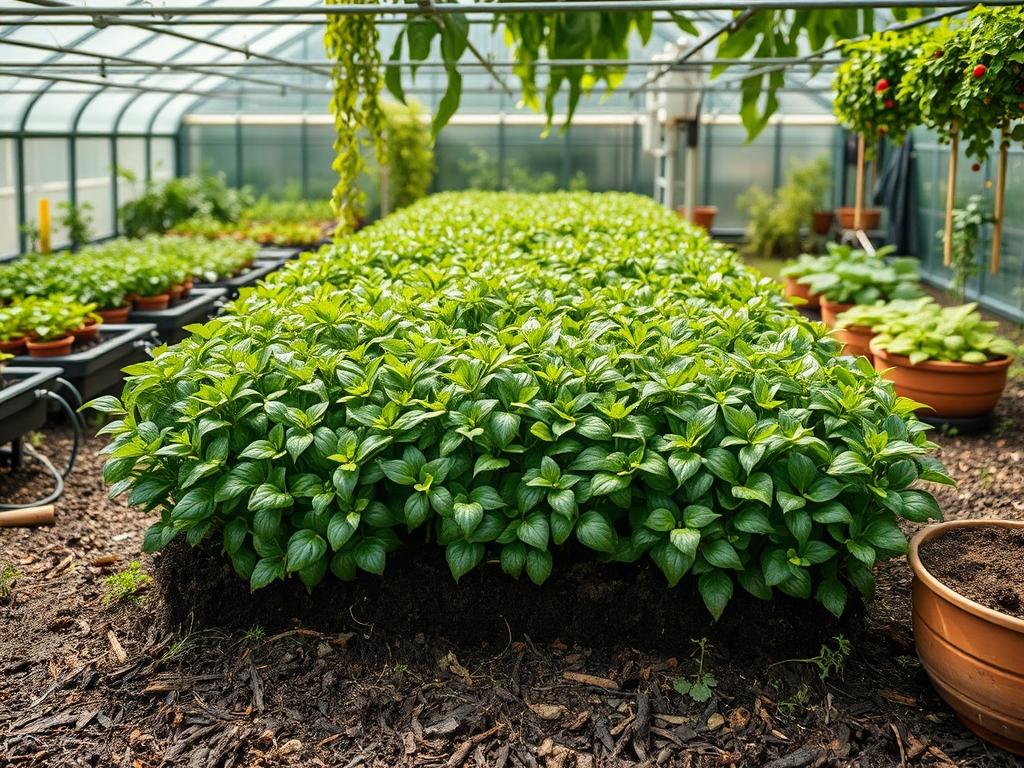
Modern homeowners often face a difficult compromise when selecting boundary treatments for their properties. Traditional privacy screens prioritize dense, evergreen foliage to block sightlines, yet these monocultures frequently contribute little to the local ecology or the kitchen pantry. By shifting the perspective toward an Edible Hedge Selection, designers can harmonize functional security with agricultural utility. This approach requires a sophisticated understanding of localized climate zones, microclimates, and soil chemistry. A successful installation enhances curb appeal while transforming a boundary into a living larder. Beyond the visual screening, these installations serve as windbreaks and sound dampeners, mitigating urban noise pollution through dense biomass. To achieve this, the architect must evaluate the site’s solar orientation and drainage capacity before a single spade enters the ground.
Selecting the right species involves more than just picking a favorite fruit. One must consider the ultimate height and spread of the hedge to ensure it does not encroach on neighboring walkways or utility lines. In professional landscaping, we look for “dual-purpose” specimens that offer aesthetic blossoms in the spring and harvestable crops in the late summer or autumn. The integration of edible hedges into a master plan elevates the landscape from a passive background to an interactive environment. This transition encourages residents to engage with their outdoor space, fostering a deeper connection to the seasonal cycles of the land.
Landscape Design Principles
Effective edible hedging relies on the fundamental principles of symmetry and focal points to maintain a manicured appearance. Unlike a wild bramble, a structured hedge follows defined lines that guide the eye along the property boundary. To avoid the monotony of a single species, designers often employ elevation layers. This technique involves planting taller canopy species like Serviceberry or Elderberry as the primary screen, while placing lower-profile shrubs like Currants or Honeyberries in the foreground. This creates a staggered vertical profile that maximizes light penetration and harvest accessibility.
Symmetry is achieved through consistent spacing and the repeated use of specific cultivars. However, asymmetrical balance can also be effective if the massing of plants on one side of a limestone walkway is mirrored by similar visual weights on the opposite side. Focal points are another vital element; perhaps a fountain or a uniquely pruned Fig tree serves as the anchor for the hedge line. Irrigation planning is equally critical at this stage. High-production hedges require consistent moisture to develop fruit. Integrating subsurface drip irrigation lines ensures that water reaches the root zone efficiently without wasting resources or promoting fungal growth on the leaves. By incorporating defined paver paths and steel landscape edging, the edible hedge becomes a formal element of the estate rather than a neglected corner of the lawn.
Plant and Material Selection
The following table highlights prime candidates for an edible screen, focusing on their specific environmental requirements and growth habits.
| Plant Type | Sun Exposure | Soil Needs | Water Demand | Growth Speed | Maintenance Level |
| :— | :— | :— | :— | :— | :— |
| Pineapple Guava | Full Sun | Well-drained | Moderate | Medium | Low |
| Blueberry (Highbush) | Full to Part Sun | Acidic (pH 4.5-5.5) | High | Medium | Medium |
| Natal Plum | Full Sun to Shade | Sandy/Loamy | Low | Fast | High (Thorns) |
| Nanking Cherry | Full Sun | Adaptable/Well-drained | Moderate | Fast | Medium |
| Sea Buckthorn | Full Sun | Poor/Sandy | Low | Fast | Low |
| Pomegranate | Full Sun | Loamy/Alkaline | Moderate | Medium | Medium |
When selecting these plants, the landscape architect must also consider the potting soil quality and the need for soil amendments like elemental sulfur for acid-loving plants or composted manure for heavy feeders. The choice of hardscaping materials, such as crushed granite or river rock for drainage basins, should complement the organic texture of the hedge.
Implementation Strategy
A successful backyard or garden layout begins with precise grading. The land must be surveyed to ensure water flows away from structures and toward designated French drains or bioswales. Proper drainage prevents the stagnant conditions that cause root rot in fruit-bearing species. Once the grade is established, the designer marks the hedge line using surveyor stakes and string lines. The spacing between plants should account for their mature width; for instance, Blueberries are typically spaced 3 feet apart for a continuous hedge, whereas larger shrubs like Elderberries may require 6 feet of clearance.
Excavation follows, with holes dug at least twice as wide as the root ball to allow for lateral root expansion. Before planting, installing a root barrier may be necessary if the hedge is located near sensitive hardscaping or underground utilities. After the specimens are set and the soil is backfilled, a layer of 4 inches of wood chip mulch is applied. This mulch depth is critical for moisture retention and weed suppression. In areas with high wind exposure, timber stakes and arborist tape provide temporary support until the root systems are established. Finally, the irrigation controller is programmed to provide deep, infrequent watering cycles that encourage deep rooting, which is far superior to shallow, daily misting.
Common Landscaping Failures
The most frequent mistake in edible landscaping is improper spacing. Homeowners often desire an instant screen and plant specimens too close together. Overcrowding leads to poor air circulation, which invites powdery mildew and pest infestations. Furthermore, it creates competition for nutrients, resulting in stunted growth and diminished fruit yields. Another significant failure involves soil compaction. During construction or hardscaping, heavy machinery can crush the soil structure, eliminating the air pockets necessary for root respiration. To fix this, core aeration or the addition of organic perlite may be required.
Irrigation inefficiencies also plague many installations. If a hedge is on a single zone with the lawn, it will likely be overwatered or underwatered. Edible plants have different physiological needs than turfgrass. Additionally, failing to account for the mineral content of the water can lead to salt buildup in the soil over time. Lastly, neglecting the “utility” aspect of the hedge can lead to disappointment. For example, planting thorny species like Blackberries right next to a narrow walkway creates a physical hazard. Always ensure that the maintenance path is wide enough for a human and their tools to maneuver comfortably.
Seasonal Maintenance
Landscape management is a year-round commitment. In the spring, the focus is on fertilization and dormant oil applications. Applying a balanced organic fertilizer just as the buds break ensures the plants have the macronutrients needed for the upcoming growth spurt. Pruning should be performed to remove the “three Ds”: dead, damaged, or diseased wood. This is also the time to inspect the irrigation system for any leaks or clogged emitters caused by winter freezes.
During the summer, the priority shifts to hydration and pest monitoring. As temperatures rise, the transpiration rate of the Edible Hedge Selection increases significantly. Mulch levels should be checked and replenished if they have thinned to less than 2 inches. In the autumn, the harvest arrives. This is also the window for structural pruning once the plants go dormant. Thinning out the interior of the hedge allows more light to reach the center, ensuring the lower branches remain productive. Finally, in the winter, the gardener focuses on protection. In colder climates, wrapping young plants in burlap or applying a heavy layer of straw around the base protects the sensitive root crowns from extreme temperature fluctuations.
Professional Landscaping FAQ
Which edible hedge grows the fastest for privacy?
Nanking Cherry and Elderberry are renowned for their rapid growth rates. In ideal conditions, they can provide a substantial visual screen within two to three growing seasons, provided they receive consistent nitrogen and adequate water.
How do I manage pests without using toxic chemicals?
Utilize Integrated Pest Management (IPM) techniques. Encourage beneficial insects like ladybugs, use neem oil or insecticidal soaps, and maintain high plant vigor through proper irrigation and mulch habits to naturally resist infestations.
Can I plant an edible hedge in a shaded area?
Most fruit-bearing plants require six or more hours of sun. However, Currants, Gooseberries, and Alpine Strawberries are more shade-tolerant. They will produce fruit in partial sun, though the yield may be slightly lower than in full sun.
What is the best mulch for edible fruit hedges?
Aged wood chips or shredded bark are ideal. They break down slowly, adding organic matter to the soil while suppressing weeds. Avoid dyed mulches or fresh cedar, as they can sometimes alter soil chemistry or inhibit beneficial fungi.
How often should I prune an edible hedge?
Perform a major structural prune once a year during the dormant winter season. Light maintenance pruning can be done after the harvest to maintain the desired shape and size, ensuring the hedge does not overgrow its landscape edging.