
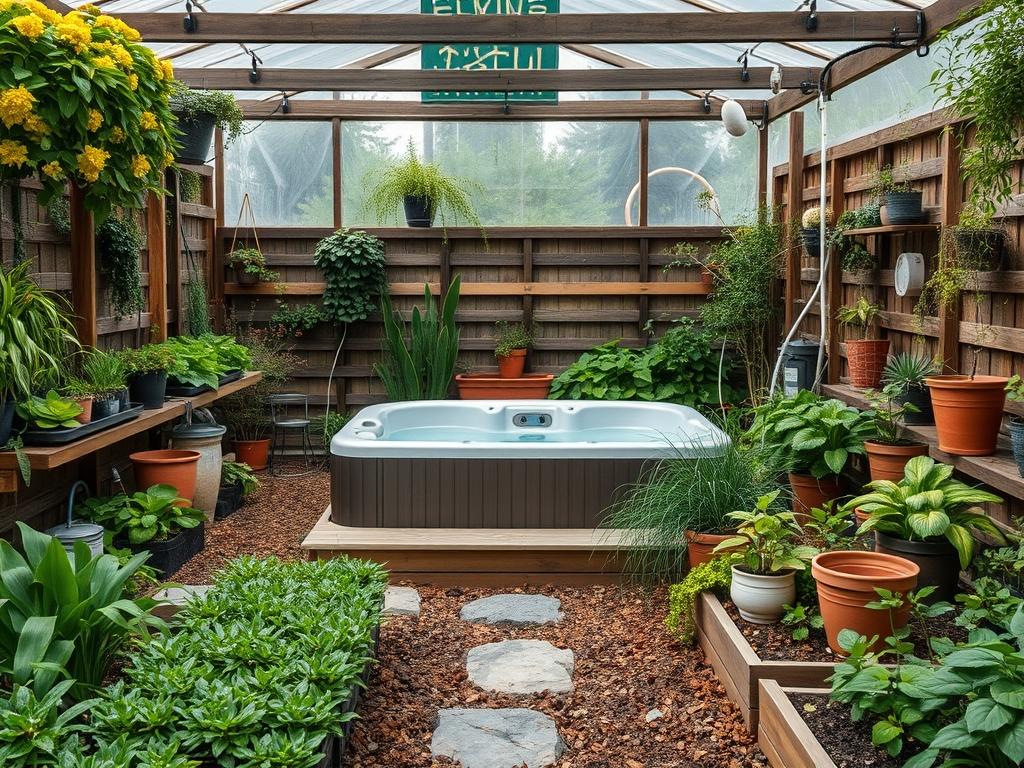
Achieving true backyard hot tub privacy in 2026 requires a sophisticated blend of horticultural expertise, structural engineering, and spatial psychology. A hot tub is more than a luxury amenity; it is a focal point that demands a delicate balance between openness and seclusion. When we approach an outdoor environment, we must consider how the water element interacts with the existing topography while mitigating sightlines from neighboring second story windows or adjacent sidewalk traffic. The goal is to create a sanctuary that feels intentional rather than defensive. Effective landscaping for privacy avoids the “fortress effect” by utilizing softscapes that break up the terminal lines of fences and walls. By integrating varied elevations and textures, we can ensure the spa remains a private retreat without sacrificing the aesthetic value of the broader estate.
Modern designs focus on the concept of the outdoor room, where the tub is nestled into a multi-sensory environment. We look at wind patterns to prevent heat loss, the angle of the sun at peak usage times, and the proximity to the primary residence for ease of access. Furthermore, we must account for the weight of the unit, which necessitates a structurally sound foundation. A standard concrete pad or a reinforced timber deck must be perfectly level to prevent stress on the acrylic shell. By considering these technical requirements alongside the aesthetic goals of the client, we create a space that is as functional in the depths of winter as it is in the peak of summer.
Landscape Design Principles
Successful backyard hot tub privacy relies on the principle of layering. Rather than relying on a single tall structure, we use a combination of retaining walls, mid-level shrubs, and overhead canopies to create a sense of envelopment. This approach provides visual depth and ensures that the privacy screening feels like a cohesive part of the garden rather than an afterthought. Symmetry can be used in formal garden styles to frame the tub, utilizing neat rows of Emerald Green Thuja to create a living wall. Conversely, an asymmetrical approach works best for naturalistic designs, using irregular groupings of native plants and boulders to mimic a woodland spring.
Focal points are critical in distracting the eye. By placing a stunning water feature or a bespoke stone sculpture in a different area of the yard, the observer’s gaze is drawn away from the hot tub area entirely. This is a psychological layering technique that enhances privacy without physical barriers. Elevation also plays a major role; sunken tubs provide an inherent sense of seclusion. By excavating the site and installing a sump pump for drainage, we can nestle the spa into the ground, using the natural grade of the Earth as a visual block. Finally, we must plan for transitions. The path from the house to the tub should consist of permeable pavers or flagstone to prevent debris from entering the water, ensuring the journey is as curated as the destination.
Plant and Material Selection
The choice of vegetation determines the longevity and maintenance requirements of the privacy screen. In 2026, we prioritize species that offer dense foliage without excessive leaf litter, as organic debris can clog filter cartridges and disrupt water chemistry.
| Plant Type | Sun Exposure | Soil Needs | Water Demand | Growth Speed | Maintenance Level |
| :— | :— | :— | :— | :— | :— |
| Emerald Green Thuja | Full Sun | Well-drained | Moderate | Medium | Low |
| Clumping Bamboo | Full To Part Sun | Rich, moist | High | Very Fast | Moderate |
| Skyrocket Juniper | Full Sun | Sandy/Dry | Low | Fast | Low |
| Spartan Juniper | Full Sun | Adaptable | Low | Medium | Low |
| Feather Reed Grass | Full Sun | Clay/Heavy | Moderate | Fast | Minimal |
| Japanese Maple | Part Shade | Acidic | Moderate | Slow | Moderate |
For hardscaping materials, Western Red Cedar remains a perennial favorite due to its natural rot resistance and warm hue. When constructing pergolas or louvers, we recommend pre-treating the timber with a U.V. resistant sealant. For a more contemporary aesthetic, powder coated aluminum screens with laser cut patterns offer immediate privacy and require almost zero maintenance over a twenty year lifespan.
Implementation Strategy
The implementation phase begins with a precise site survey using a laser level to determine the grade. If the area is prone to standing water, a French drain system must be installed prior to any hardscaping. This involves excavating a trench, lining it with filter fabric, and filling it with 3/4 inch clean crushed stone and a perforated HDPE pipe. Once the drainage is secured, we focus on the foundation. A 4 inch thick reinforced concrete slab is the gold standard for hot tub support, as it handles the significant hydrostatic pressure of several hundred gallons of water.
After the base is set, we move to the vertical elements. Install 4×4 pressure treated posts for any permanent screening or pergolas, ensuring they are sunk at least 36 inches deep to bypass the frost line. For the planting beds, we specify a soil amendment of organic compost mixed with native earth to provide a nutrient rich start for the root balls. Once the plants are in the ground, a 3 inch layer of dark hardwood mulch is applied. This suppresses weeds, retains moisture, and provides a clean, professional finish. Emitters for a drip irrigation system should be placed directly at the base of each privacy shrub to ensure consistent hydration without wasting water through evaporation.
Common Landscaping Failures
The most frequent error in hot tub landscaping is improper drainage. If water is allowed to pool around the base of the spa, it can undermine the foundation and lead to structural shifting. We often see homeowners forget to include a 2 percent slope away from the tub, which is essential for redirecting runoff. Another critical failure is root overcrowding. Planting large trees like Oaks or Willows too close to the tub can result in root systems penetrating PVC plumbing or lifting the concrete pad as the tree matures. Always research the mature spread of a species before committing it to a tight space.
Soil compaction is another silent killer of backyard designs. During the construction of the spa pad, heavy machinery often packs the earth so tightly that plants can no longer breathe. We use an aerator or a tiller to loosen the soil in the surrounding planting beds before installation. Furthermore, neglecting the “sightline survey” is a common oversight. A screen might look perfect from the ground level, but the view from the neighbor’s balcony remains completely unobstructed. We use a height pole during the planning phase to verify that all angles of intrusion are adequately addressed.
Seasonal Maintenance
Seasonal care ensures the privacy screen remains vigorous and the spa environment stays pristine. In the Spring, the focus is on fertilization and pruning. Apply a balanced 10-10-10 fertilizer to privacy hedges to encourage new growth before the summer heat. This is also the time to inspect the irrigation lines for leaks caused by winter freezes. During the Summer, moisture management is the priority. Check the mulch depth and replenish any areas where the soil is exposed. Hand pruning of any stray branches ensures that the pathways remain clear and the privacy screen stays dense.
As Autumn arrives, it is vital to clear fallen leaves immediately to prevent them from staining the hardscape or entering the hot tub water. This is also the ideal time to plant new evergreen species, as the cooler temperatures allow roots to establish without the stress of high heat. In the Winter, protect young plants from heavy snow loads by using burlap wraps or structural supports. If you’ve chosen clumping bamboo, ensure it is well watered before the ground freezes, as the stalks can become brittle in dry, cold winds.
Professional Landscaping FAQ
What is the best way to get instant privacy around a tub?
Install a cedar louvered screen or a laser cut metal panel. These structures provide 100 percent opacity immediately upon installation. You can then soften the look over time by planting climbing vines like clematis at the base.
How far should plants be from the hot tub?
Maintain a minimum clearance of 24 to 30 inches between the spa cabinet and the foliage. This allows for adequate airflow to the equipment and provides a technician enough room to remove the access panels for future maintenance or repairs.
Will bamboo ruin my yard or the hot tub foundation?
Only if you choose the “running” variety. Always select clumping bamboo species, which grow in contained mounds rather than spreading through underground runners. For extra security, install a polyethylene root barrier buried 24 inches deep around the planting zone.
Can I use a retaining wall as part of the tub enclosure?
Yes, retaining walls constructed from engineered block or natural stone are excellent for creating secluded, sunken spa areas. Ensure the wall includes weep holes to allow moisture to escape from behind the structure to prevent hydrostatic pressure buildup.
How do I prevent mulch from getting into the water?
Use a metal or plastic landscape edging to create a distinct border between the planting beds and the hot tub pad. Choose a heavy, shredded hardwood mulch rather than light wood chips, as it is less likely to blow away.