
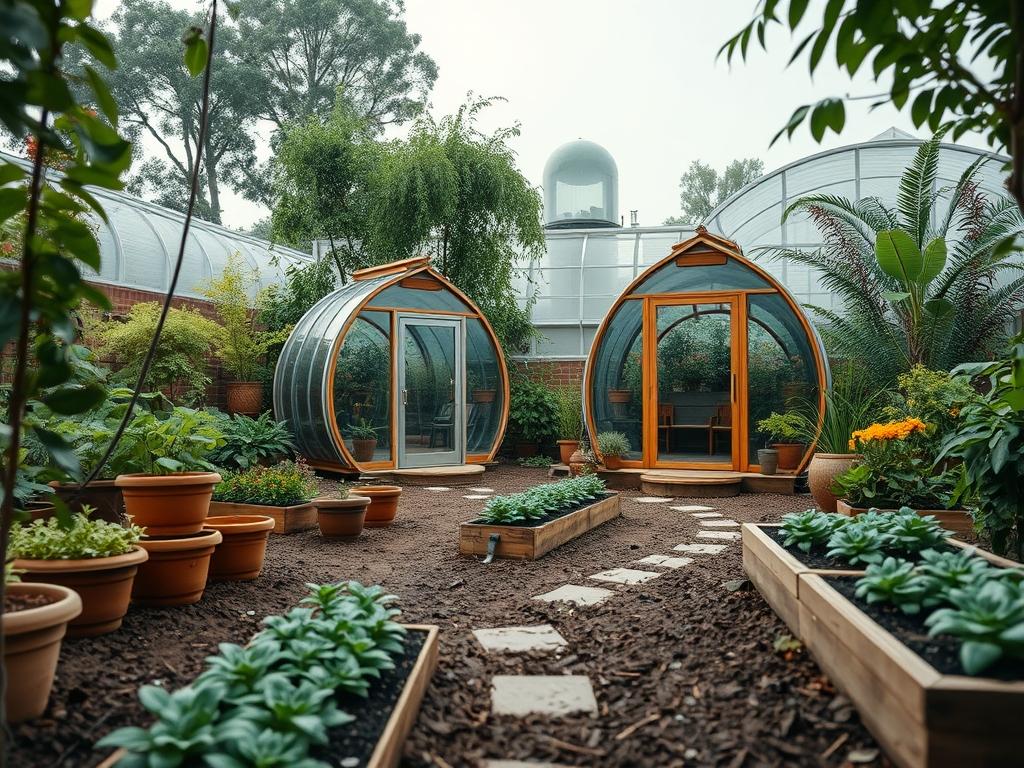
The evolution of the modern landscape has shifted from purely aesthetic curb appeal toward the creation of functional, private sanctuaries. Designing a space for Backyard Meditation Pods involves a complex interplay between topography, acoustics, and psychological comfort. The challenge for a landscape architect is to integrate a prefabricated or custom-built structure into the existing environment without disrupting the natural flow of the yard. Climate considerations play a primary role in this process. A pod located in a humid temperate zone requires different ventilation and drainage strategies than one situated in an arid environment. Beyond the structural footprint, the surrounding vegetation must serve as a living buffer. Strategic placement can mitigate neighborhood noise, provide shade to reduce internal temperatures, and enhance the overall privacy of the site. A successful installation does not just sit on the lawn; it anchors the property and increases its market value by providing a dedicated square footage for mental wellness and remote work.
Landscape Design Principles
Successful integration of a meditation pod begins with a rigorous site analysis. We prioritize symmetry and focal points to guide the eye toward the structure without it feeling dominant or intrusive. A common technique involves using elevation layers to create a sense of transition. By raising the pod on a 6-inch finished grade or a low-profile cedar deck, we separate the spiritual space from the utility-driven areas of the garden. Focal points are established through the use of specimen trees or a singular water feature that draws the user from the main residence toward the sanctuary.
Walkways serve as the physical and mental bridge to the pod. Using decomposed granite or flagstone pavers set in a sand base allows for a tactile experience underfoot. The path should not be a direct line. Curvilinear designs slow the walking pace and encourage mindfulness before entering the structure. We also focus on visual balance by mirroring heavy hardscaping with soft, airy plantings. Irrigation planning occurs simultaneously. Every planting bed surrounding the pod should be equipped with a zoned drip irrigation system to ensure the greenery remains lush without causing oversaturation near the structural foundation. A backflow preventer should be installed to protect the domestic water supply, ensuring the system meets local building codes.
Plant and Material Selection
| Plant Type | Sun Exposure | Soil Needs | Water Demand | Growth Speed | Maintenance Level |
| :— | :— | :— | :— | :— | :— |
| Japanese Maple | Partial Shade | Well-Drained Acidic | Moderate | Slow | Low |
| Feather Reed Grass | Full Sun | Clay or Loam | Low | Fast | Annual Cutback |
| Star Jasmine | Full to Partial | Fertile Loam | Moderate | Moderate | Occasional Pruning |
| Dwarf Boxwood | Full to Partial | Well-Drained | Moderate | Slow | High (Hedging) |
| Creeping Thyme | Full Sun | Sandy or Gritty | Low | Moderate | Minimal |
| Leyland Cypress | Full Sun | Adaptable | Moderate | Fast | Moderate |
Materials must be selected for durability and tactile quality. For the pod exterior, we recommend weathered steel, IPE wood, or composite cladding that resists rot and insect damage. The ground cover should consist of hardwood mulch applied at a depth of 3 inches to suppress weeds and retain soil moisture. If the topography is uneven, retaining walls built from modular concrete blocks or natural fieldstone can be used to level the site, providing both structural stability and additional seating or planting surfaces.
Implementation Strategy
The implementation phase begins with a precise survey of the property. We start with grading to ensure that water moves away from the meditation pod at a minimum 2 percent slope. This prevents foundation rot and internal humidity issues. Once the grade is established, we mark the footprint using marking paint and a string line. The sub-base for the pod or its supporting deck must be excavated to a depth of 8 inches, then filled with 4 inches of compacted crushed gravel. This provides a stable, non-heaving surface that facilitates drainage.
After the structural foundation is set, we install edging along the walkways and planting beds. Steel edging or heavy-duty plastic pavers prevent the migration of materials and keep the design crisp over time. The planting process follows the “thriller, filler, spiller” methodology, but on a macro scale. We place large native plants first to establish the canopy and privacy screen. Irrigation lines are then snaked through the beds, followed by the installation of a weed barrier fabric in high-maintenance areas. Finally, we apply the chosen mulch, ensuring it is kept 2 inches away from the base of trunks and stems to prevent fungal rot. For lighting, we recommend low-voltage LED path lights and up-lights for the trees. These should be set to a warm 2700K color temperature to maintain a serene atmosphere during evening hours.
Common Landscaping Failures
The most frequent mistake in pod installation is inadequate drainage planning. If a pod is placed in a natural low point of the yard without a French drain or catch basin, the structure will eventually suffer from mold and structural degradation. Soil compaction is another significant issue. During the construction of the pod, heavy machinery can crush the soil structure, leading to poor plant health and standing water. We use aeration tools to restore soil porosity after construction is complete.
Improper spacing of plants often leads to root overcrowding. A Leyland Cypress planted too close to the pod may eventually damage the foundation with its root system or scrape the exterior walls during high winds. Always research the mature spread of any native plants used in the design. Furthermore, a lack of mulch or improper mulch depth can lead to rapid evaporation and weed takeover, ruining the minimalist aesthetic required for a meditation space. Lastly, many homeowners fail to account for “utility clearance.” Before digging for walls or foundations, you must call for a professional utility locate to avoid hitting underground power or gas lines.
Seasonal Maintenance
Landscape management is a year-round commitment that ensures the meditation sanctuary remains functional. In the spring, the focus is on rejuvenation. We inspect the irrigation system for leaks, clear out dead foliage from Feather Reed Grass, and apply a fresh 1-inch layer of mulch to maintain the necessary depth. This is also the time to apply a balanced, slow-release fertilizer to the Japanese Maples and other ornamental species.
Summer maintenance revolves around water management. We monitor the soil moisture levels closely during heatwaves, adjusting the irrigation controller to provide deep, infrequent watering cycles that encourage deep root growth. Autumn is dedicated to cleanup and preparation for the dormant season. We remove fallen leaves from the pod roof and gutters to prevent moisture traps. It is also the ideal time to plant new native plants, as the cooler temperatures and increased rainfall help them establish before winter. During the winter, we protect sensitive plants from frost using burlap wraps and inspect the pod for any signs of pest intrusion. If your region experiences heavy snow, ensure the weight is cleared from the pod roof and that the retaining walls are checked for shifts caused by freeze-thaw cycles.
Professional Landscaping FAQ
How do I choose the best location for my pod?
Look for a site with natural shade and a stable subsoil. Distance it from air conditioning units, pool pumps, or high-traffic areas to ensure acoustic privacy. Evaluate the path of the sun to manage heat gain throughout the day.
What is the best material for a low-maintenance walkway?
Decomposed granite or pea gravel with a permeable honeycomb grid underneath is excellent. These materials provide great drainage, are easy to install, and require only occasional raking to maintain a level, professional appearance.
How do I stop neighborhood noise from ruining my meditation?
Use “living walls” made of dense evergreens like Hicks Yew or Arborvitae. Pair these with a circulating water feature. The white noise from falling water is highly effective at masking distant traffic or neighbor conversations.
Is it necessary to install a professional drainage system?
Yes. If your yard has a slope or heavy clay soil, a French drain or a dry creek bed is essential. These features redirect runoff away from the pod foundation, preventing costly long-term water damage and soil erosion.
Can I use synthetic turf around my meditation pod?
Synthetic turf is a viable low-maintenance option for high-traffic zones. However, it can retain heat. We recommend a high-quality, perforated turf with a cooling infill to maintain a comfortable ambient temperature near your sanctuary.