
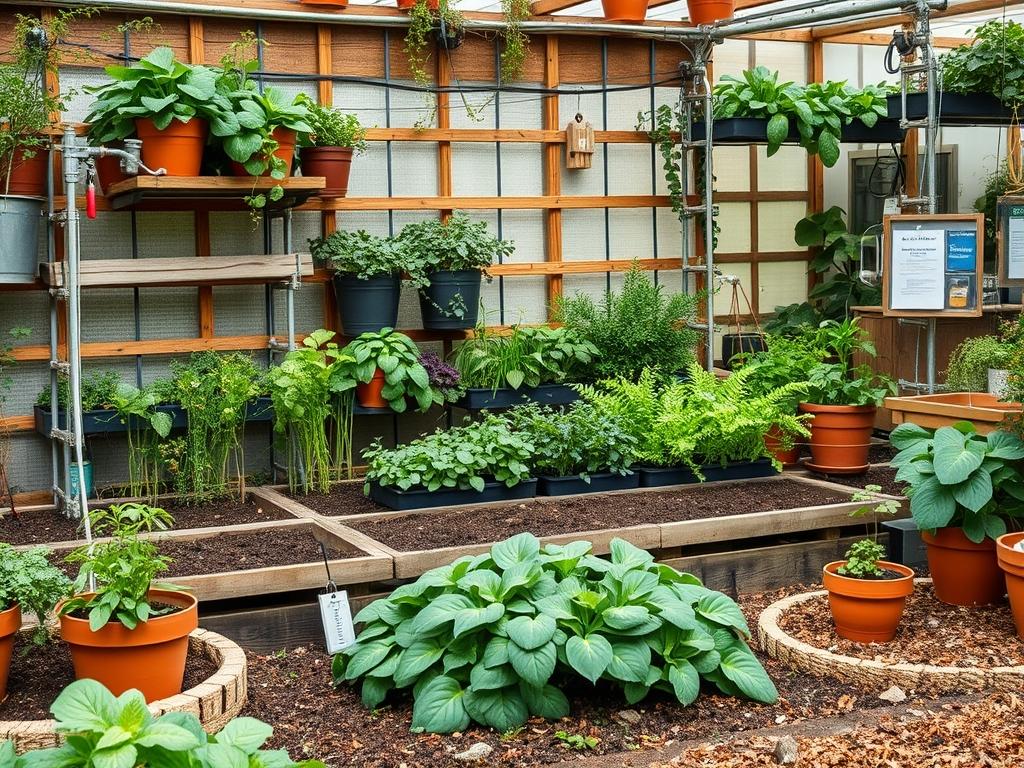
Transforming a restricted outdoor area into a functional, multi-sensory environment involves a shift from horizontal thinking to vertical execution. Modern landscape design often encounters the challenge of high-density housing footprints where traditional sprawling gardens are no longer feasible. By utilizing Backyard Herb Wall Kits, homeowners can maximize their square footage while enhancing the visual depth of their property. These systems provide more than just fresh produce; they serve as living tapestries that soften harsh architectural lines, provide acoustic buffering, and create immediate focal points that drive up property value. When planning these vertical installations, one must account for wind exposure, solar orientation, and the structural integrity of the mounting surface to ensure long-term success.
The aesthetic impact of a well-integrated herb wall is significant, as it bridges the gap between hardscaping and softscaping. A cedar or composite wall unit creates a texture contrast against brick or stucco, while the varying shades of green, silver, and purple found in aromatic herbs offer a sophisticated color palette. Beyond the visual appeal, the functionality of these kits allows for a culinary extension of the kitchen, bringing the farm to table experience into the personal garden. Strategically placing these kits near outdoor dining areas or grilling stations enhances the utility of the landscape, making the environment work for the homeowner rather than requiring the homeowner to work for the landscape.
Landscape Design Principles
Implementing Backyard Herb Wall Kits requires a foundational understanding of landscape design principles to prevent the installation from looking like an afterthought. Symmetry is a powerful tool in formal garden design; placing two identical herb walls on either side of a contemporary water feature or a set of French doors creates a sense of order and balance. For more organic, modern styles, an asymmetrical grouping of various heights can mimic natural outcrops and provide a more relaxed feel. Regardless of the arrangement, the goal is to create a focal point that draws the eye upward, effectively making a small yard feel more expansive than its physical dimensions suggest.
Elevation layers play a crucial role in vertical gardening. By staggering the heights of the herb containers, you can create a tiered effect that allows for better light penetration and airflow between plants. This layering should also consider the sightlines from both inside the home and the primary outdoor seating areas. An herb wall should complement the existing site lines, not obstruct them. Furthermore, irrigation planning is non-negotiable in vertical systems because gravity naturally pulls moisture away from the top levels. Integrating a discreet 1/4-inch drip irrigation line behind the structural frame ensures consistent hydration without the labor of manual watering or the aesthetic clutter of exposed hoses.
Visual balance must also account for the negative space surrounding the herb wall. If the wall is mounted on a large, blank fence, the scale of the kit must be large enough to avoid looking orphaned. Conversely, in a tight patio corner, a smaller, more intricate kit may be appropriate. Walkways leading to the herb wall should be clearly defined using Path lights or Flagstone pavers to signify the transition from the general landscape to the utility zone. By grounding the vertical kit with a low-profile retaining wall or a bed of River rock, you create a cohesive design that feels anchored to the earth.
Plant and Material Selection
Selecting the right flora is as much about environmental compatibility as it is about aesthetic preference. The following table outlines the technical requirements for common species utilized in vertical herb systems.
| Plant Type | Sun Exposure | Soil Needs | Water Demand | Growth Speed | Maintenance |
| :— | :— | :— | :— | :— | :— |
| Rosemary | Full Sun | Well-drained, sandy | Low | Medium | Low |
| Sweet Basil | Full Sun | Rich, organic loam | High | Fast | Moderate |
| English Thyme | Full Sun/Partial | Gritty, alkaline | Low | Slow | Low |
| Peppermint | Partial Shade | Moist, fertile | High | Invasive/Fast | High |
| Chives | Full Sun/Partial | Loamy, well-draining | Moderate | Medium | Low |
| Greek Oregano | Full Sun | Sandy, poor soil | Low | Medium | Moderate |
| Lavender | Full Sun | Non-acidic, gritty | Very Low | Slow | Moderate |
Implementation Strategy
The process begins with thorough site preparation. Before the first screw is driven, check the grading of the ground beneath the intended wall site. Even though the garden is vertical, the base must be level to prevent structural lean and uneven drainage. If the kit is being attached to a fence, verify the post depth; most vertical kits require at least 4×4 pressure-treated posts anchored 24 inches deep in concrete to handle the weight of saturated soil and wooden frames. Use a Bubble level and a Power drill to ensure the frame is plumb.
Once the structure is secure, address the drainage. For wall kits positioned against a home exterior, install a Drainage mat or a moisture barrier between the kit and the siding to prevent wood rot or mold. At the base of the wall, a 4-inch perforated drain pipe encased in Gravel can direct excess runoff away from the foundation. If the wall is a standalone feature, use Steel landscape edging to define the perimeter of the base area, filling it with a 3-inch layer of hardwood mulch to suppress weeds and catch drips.
When filling the individual planters, avoid standard garden soil, which is too heavy and lacks the porosity needed for vertical containers. Instead, use a high-quality Potting mix amended with Perlite or Vermiculite to reduce the total weight load on the wall. Pack the soil firmly but avoid extreme compaction, as this will hinder root development. After planting your Coriander, Sage, and Parsley, apply a light layer of Pine bark fines to each pocket to regulate soil temperature. Finish the installation by testing the irrigation emitters, ensuring each level receives a uniform distribution of water from top to bottom.
Common Landscaping Failures
The most frequent mistake in vertical herb gardening is neglecting the vertical drainage coefficient. In many kits, the top tiers drain directly into the lower tiers. Without proper planning, the bottom plants often suffer from root rot due to over-saturation, while the top plants desiccate in the wind. To solve this, professional installers often use individual drainage outlets for each container box rather than a cascaded system. Additionally, soil compaction over time can lead to “channeling,” where water bypasses the root ball entirely and runs down the inside of the container walls.
Another failure is the improper spacing of aggressive species. Peppermint and Spearmint are notorious for their rhizomatous growth patterns, which can quickly choke out slower-growing herbs like Thyme. These should always be grown in isolated containers within the kit. Furthermore, many homeowners fail to account for the “chimney effect,” where wind speeds increase as they are funneled between the wall and the planters, leading to rapid transpiration and leaf scorch. Choosing wind-resistant cultivars or installing a Trellis windbreak can mitigate this environmental stress.
Seasonal Maintenance
Spring is the season for revitalization. Begin by removing any dead perennial stalks and refreshing the top 2 inches of soil with compost. This is the optimal time to inspect the irrigation lines for cracks caused by winter freezes and to clean any mineral buildup from the emitters using a Vinegar solution. As the weather warms, apply a slow-release Organic fertilizer to support the initial growth flush of Basil and Oregano.
During the summer month peaks, moisture management becomes the priority. Check the soil daily, as vertical kits lose moisture significantly faster than ground-level beds. If temperatures exceed 90 degrees Fahrenheit, consider installing a 50 percent shade cloth over the herb wall during the afternoon to prevent the foliage from wilting. Pruning should be frequent; harvesting the top thirds of the plants encourages bushier growth and prevents the herbs from becoming leggy or going to seed prematurely.
Autumn requires a transition toward protection. Harvest the remaining annuals like Cilantro and prepare the perennials for dormancy. Reduce watering frequency as the plants’ metabolic rates slow down. For regions with harsh winters, wrapping the entire herb wall in Burlap or Horticultural fleece provides a layer of insulation against desiccating winter winds. If the kit contains removable liners, highly sensitive herbs should be moved into a garage or greenhouse until the first thaw of spring.
Professional Landscaping FAQ
How do I prevent my herb wall from damaging my wooden fence?
Install a Polyethylene vapor barrier or an air gap spacer between the kit and the fence. This prevents moisture from being trapped against the wood, which causes rot and structural failure over time.
What is the best way to handle irrigation for vertical planters?
A dedicated Drip irrigation system with pressure-compensating emitters is ideal. This setup ensures that herbs at the top of the wall receive the same volume of water as those at the bottom despite the influence of gravity.
Can I grow herbs vertically in a north-facing backyard?
Yes, but you must select shade-tolerant species. While Rosemary requires full sun, herbs like Mint, Chives, and Lemon Balm can thrive in the lower light conditions found on north-facing walls and fences.
How much weight can a standard backyard herb wall kit hold?
A fully saturated 2-foot by 4-foot kit can weigh over 150 pounds. Always secure the frame to structural studs or use Heavy-duty masonry anchors when mounting to stone or brick to avoid collapses.
How often should I replace the soil in my herb wall?
In vertical systems, nutrients leach out rapidly. It is best practice to replace roughly one-third of the potting media every spring and completely refresh the soil every three years to prevent salt buildup and pathogen accumulation.