
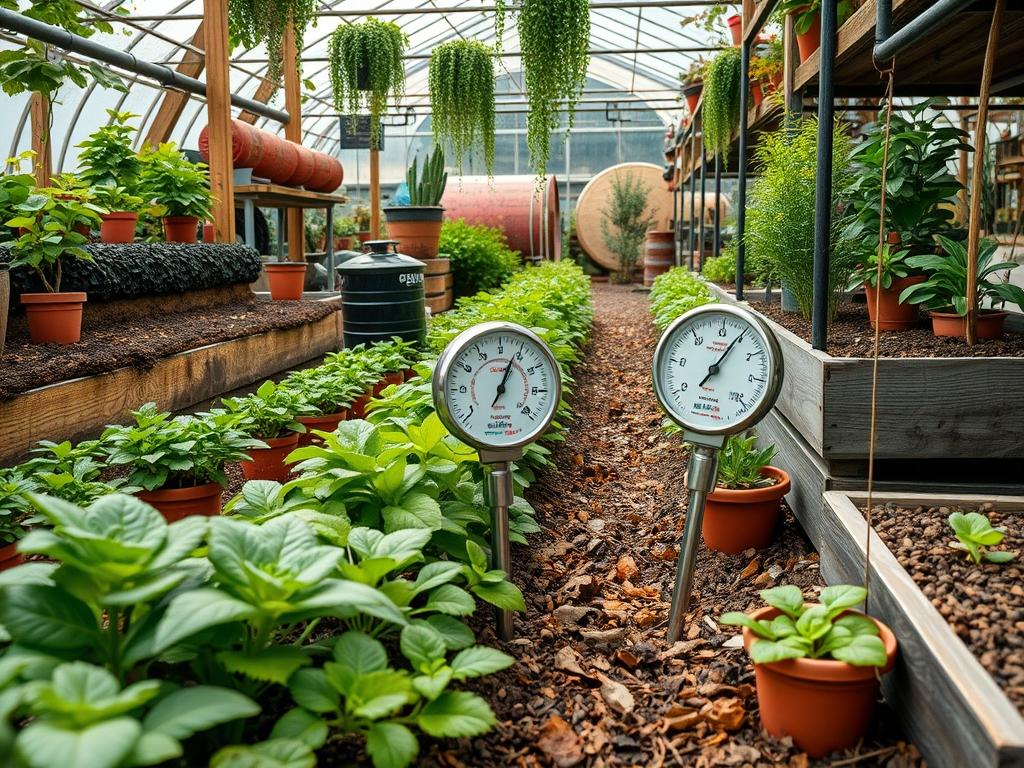
The sophistication of a modern landscape depends on the delicate balance between aesthetic intent and environmental data. As a landscape architect, I often see homeowners invest thousands in high-end flora only to see it wither due to a lack of microclimate awareness. This is where the integration of technology, specifically the selection of high-quality Solar Garden Thermometers, becomes a functional necessity rather than a mere accessory. These devices provide the real-time thermal readings required to manage irrigation schedules and frost protection strategies. When planning an outdoor environment, one must consider how curb appeal intersects with functionality. A well-placed thermometer tells you when the thermal mass of a retaining wall is radiating too much heat, or when a low-lying pocket of the property is entering a freeze zone that could kill off expensive ornamental grasses.
Achieving a professional-grade landscape requires more than just planting a few shrubs. It involves a systematic approach to site analysis, where we study the movement of the sun and the drainage patterns of the terrain. The introduction of smart, solar-powered tools allows us to bridge the gap between traditional gardening and modern environmental management. Choosing the right Solar Garden Thermometer involves looking for UV-resistant housings, shatterproof glass, and high-contrast digital displays that remain legible under direct sunlight. These tools serve as the diagnostic sensors of your garden, allowing you to make informed decisions about shading, mulching, and the placement of delicate native plants.
Landscape Design Principles
Successful landscape design is rooted in the principles of symmetry, focal points, and elevation layers. When we design a space, we create sightlines that draw the eye toward specific features. A Solar Garden Thermometer can be integrated as part of a functional focal point if it possesses a sleek, architectural design. We often use the “Rule of Three” to group plants and objects in odd numbers, which creates a more natural and appealing visual rhythm. Symmetry does not always mean a mirror image; it can be achieved through balanced visual weight. For instance, a heavy stone planter on the left can be balanced by a cluster of lighter ornamental shrubs on the right.
Elevation layers are equally important. We categorize these into the foreground, midground, and background. Low-growing groundcovers occupy the foreground, while perennial shrubs and architectural elements like trellises or thermometers occupy the midground. The background is reserved for taller deciduous trees or privacy hedges. Incorporating a Solar Garden Thermometer at the midground level, approximately 36 inches to 48 inches above the soil line, ensures that the temperature reading reflects the air surrounding the majority of your plant canopy rather than the heat reflecting directly off the ground. Furthermore, irrigation planning must account for these layers, ensuring that water-hungry species are positioned in zones where moisture retention is highest.
Plant and Material Selection
Selecting the right materials and plant life is the foundation of a low-maintenance, high-impact garden. The following table outlines a selection of versatile plants that benefit from precision temperature monitoring to ensure their longevity in a designed landscape.
| Plant Type | Sun Exposure | Soil Needs | Water Demand | Growth Speed | Maintenance Level |
| :— | :— | :— | :— | :— | :— |
| Boxwood (Buxus) | Full Sun to Shade | Well-Drained, Loamy | Moderate | Slow | Medium |
| Lavender (Lavandula) | Full Sun | Sandy, Alkaline | Low | Medium | Low |
| Japanese Maple | Partial Shade | Slightly Acidic | High | Slow | High |
| Miscanthus Grass | Full Sun | Adaptable | Low | Fast | Low |
| Coneflower (Echinacea) | Full Sun | Well-Drained | Low | Medium | Very Low |
| Hydrangea | Partial Sun | Moist, Rich | High | Fast | Medium |
In addition to plant life, the choice of hardscaping materials affects the microclimate. Dark basalt gravel will absorb and radiate more heat than light-colored pea gravel. If you are using a Solar Garden Thermometer, place it near these surfaces to understand how much extra heat your plants are enduring during the peak of summer. Using organic cedar mulch at a depth of 3 inches is also recommended to regulate soil temperature and retain the moisture measured by your landscape sensors.
Implementation Strategy
The implementation phase begins with a thorough site preparation process. First, address the grading of the land. A standard landscape should have a 2 percent slope away from any permanent structures to prevent water from pooling near the foundation. Once the grade is established, define your garden beds using professional-grade steel edging or paver borders. This creates a clean line between the lawn and the planted areas, preventing turfgrass from encroaching on your perennials.
When installing your Solar Garden Thermometer, consider the proximity to irrigation heads. You want the device to be in a location that represents the general environment of the garden bed without being directly sprayed by high-pressure water every morning. Dig a pilot hole for the thermometer stake rather than forcing it into compacted soil, which could damage the internal sensors or the solar housing. For larger landscapes, we recommend installing multiple thermometers in different “hydro-zones” to compare the temperature differences between a shaded woodland area and a sun-drenched xeriscape. Finally, apply a layer of hardwood mulch or pine bark nuggets to finish the area, ensuring you leave a small gap around the base of the thermometer and plant stems to prevent rot.
Common Landscaping Failures
The most frequent mistake in landscape installation is poor drainage. Even the most accurately monitored garden will fail if the roots are sitting in saturated, anaerobic soil. This is often caused by a lack of percolation, where the sub-grade soil is too compacted to allow water to move downward. To test this, dig a 12-inch hole and fill it with water; if it takes more than a few hours to drain, you have a compaction issue that requires the addition of organic matter or the installation of a French drain.
Another common failure is root overcrowding. It is tempting to plant shrubs close together for an immediate “full” look, but this leads to competition for nutrients and poor air circulation. Overcrowding creates a humid environment that invites fungal diseases like powdery mildew. Always research the “mature spread” of a plant and space them accordingly. Additionally, many homeowners ignore the calibration of their equipment. If a Solar Garden Thermometer is placed too close to a white vinyl fence, the reflected light will cause an artificially high reading, leading to over-watering and potentially drowning the root systems of your plants.
Seasonal Maintenance
Landscape management is a year-round commitment that changes with the solar cycle. In the spring, the focus is on rejuvenation. This involves removing winter debris, applying a balanced slow-release fertilizer, and checking the batteries or solar cells on your thermometers to ensure they survived the frost. It is the ideal time to prune deciduous trees before the sap begins to flow heavily.
As summer arrives, the priority shifts to moisture management. Use the readings from your Solar Garden Thermometer to adjust your smart irrigation controller. If temperatures consistently exceed 90 degrees, increase the frequency of deep-watering sessions, preferably in the early morning hours to minimize evaporation. In the autumn, focus on “putting the garden to bed.” This includes planting spring-flowering bulbs, raking leaves to prevent them from smothering the lawn, and applying a fresh layer of mulch for winter insulation. During winter, maintenance involves protecting sensitive plants from “winter burn” using burlap wraps and ensuring that any solar-powered devices are cleared of snow so they can continue to charge and provide data on freeze-thaw cycles.
Professional Landscaping FAQ
Where is the best place to install a Solar Garden Thermometer?
Install the device in a location that receives at least six hours of direct sunlight for charging. It should be placed at the average height of your plants, away from heat-reflecting surfaces like glass windows or dark metal fences.
Does mulch depth affect the temperature readings of my garden?
Yes, mulch acts as an insulator. While a thermometer measures air temperature, the soil temperature beneath 3 inches of mulch will be significantly cooler. Use both data points to determine when to water your deeper root systems.
Can solar thermometers withstand freezing winter temperatures?
Most professional-grade thermometers are designed for year-round use. Look for models with an IP65 waterproof rating and shatter-resistant materials. However, clearing heavy snow off the solar panel is necessary to maintain the battery charge during the winter.
What is the most effective way to improve garden drainage?
Incorporating organic compost into compacted soil improves its structure. For severe cases, installing a perforated pipe system or a dry creek bed can redirect excess surface water away from sensitive planting zones and structural foundations.
How often should I recalibrate my outdoor sensors?
You should inspect your Solar Garden Thermometer every season. Wipe the solar panel with a damp cloth to remove dust and check the mounting stake for stability. If the digital display drifts, ensure the sensor is not obstructed by new plant growth.