
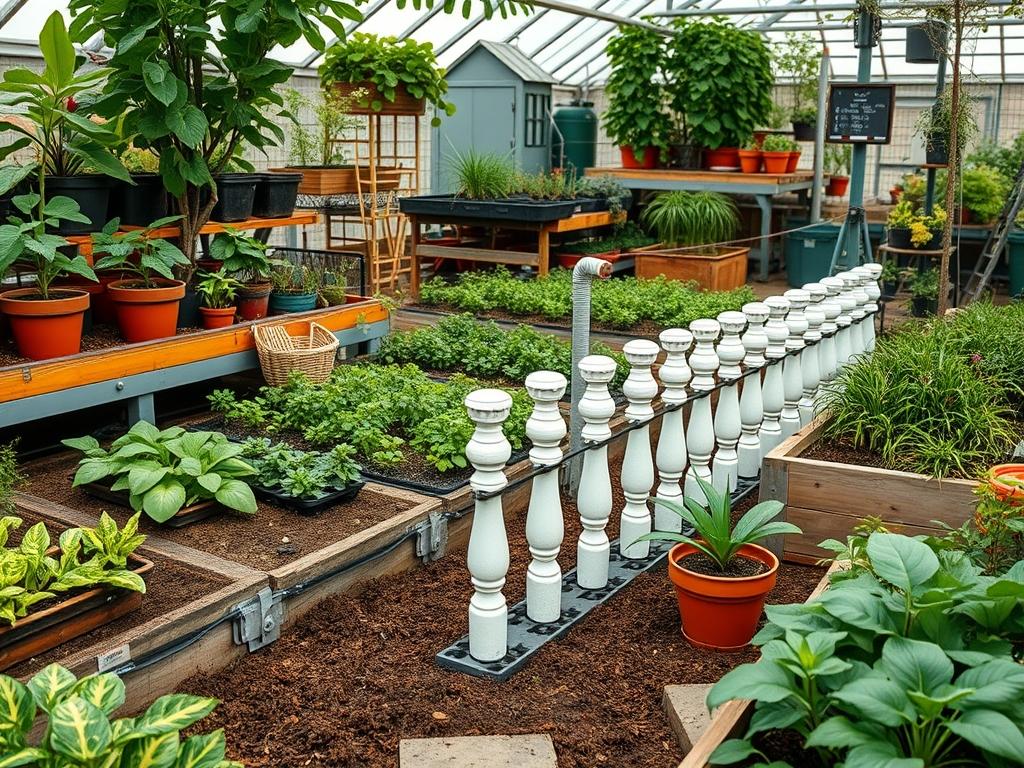
The interface between a residence and its surrounding environment often hinges on the deck. It is the literal and figurative platform from which we view our curated landscapes. Selecting modern deck baluster styles represents more than just a safety decision; it is an exercise in visual framing and spatial flow. From a landscape architect’s perspective, the baluster acts as a filter for the visual field. If the goal is to highlight a sprawling meadow or a structured parterre garden, the choice of railing components must accommodate those sightlines. Climate considerations also weigh heavily here. High-wind areas require robust anchor points and materials that do not rattle, while coastal zones demand materials resistant to salt spray such as Grade 316 Stainless Steel. Modern styles often favor minimalism, ensuring that the physical structure of the deck does not truncate the perceived size of the property. Achieving high-end curb appeal requires a holistic view where the vertical elements of the deck echo the horizontal lines of the hardscape below.
Landscape Design Principles
Successful deck integration relies on the principle of symmetry. When selecting balusters, the spacing and rhythm should reflect the existing architectural details of the home. Modern landscapes often utilize a 4 inch maximum spacing between balusters to meet building codes, but the aesthetic impact varies based on the material thickness. Thin, round Aluminum Balusters create a light, airy feel that mimics the stems of tall ornamental grasses. In contrast, flat, wide bars provide a more industrial look that anchors a heavy timber deck. Focal points are essential in any outdoor environment. If the deck overlooks a specific water feature or a specimen tree, glass balusters or thin horizontal cable rails are superior choices because they remove the visual noise that vertical wooden slats often create.
Elevation layers constitute another critical design pillar. A deck is rarely a standalone feature; it is a transition between the interior and the garden. By using varied baluster heights or incorporating a “cocktail rail” top, designers can create a multifunctional ledge that serves as a transition point. This verticality must be balanced with the horizontal elements of the yard. For example, wide stone walkways or long retaining walls should be echoed in the orientation of the railing. If the yard features long, sweeping curves, then the rigid geometry of the deck needs softening through strategic plant placement. Irrigation planning must also account for the deck. Water should never pool at the base of the footings or against the rim joist. Ensuring that the landscape slopes away from the deck at a grade of at least two percent will prevent structural rot and moisture-related staining on your chosen baluster materials.
Plant and Material Selection
| Plant Type | Sun Exposure | Soil Needs | Water Demand | Growth Speed | Maintenance Level |
| :— | :— | :— | :— | :— | :— |
| Little Bluestem | Full Sun | Well-drained | Low | Moderate | Low |
| Green Velvet Boxwood | Part Shade | Loamy | Medium | Slow | Moderate |
| English Lavender | Full Sun | Sandy/Alkaline | Low | Moderate | Medium |
| Japanese Maple | Filtered Sun | Rich/Acidic | Medium | Slow | High |
| Creeping Thyme | Full Sun | Poor/Dry | Low | Fast | Low |
| Feather Reed Grass | Full Sun | Clay/Loam | Medium | Fast | Low |
Implementation Strategy
Planning a backyard layout begins with a comprehensive site analysis. The primary goal is to ensure the deck feels like a natural extension of the topography rather than an intrusive platform. Start by marking the footprint of the deck and the surrounding garden beds using Marking Paint or garden hoses. This allows you to visualize the flow of traffic. Grading is the most critical technical step. You must ensure that the soil level sits at least 6 inches below the wood or composite components of the deck to prevent pests and moisture damage. Once the grade is established, install a layer of Heavy Duty Landscape Fabric topped with 3 inches of Decorative Gravel or River Rock directly under the deck structure. This prevents weed growth in areas that are difficult to reach for maintenance.
Edging provides the bridge between the hardscape of the deck and the softscape of the garden. Use Steel Edging or Paver Restraints to create crisp lines that define the borders of the planting beds. When installing balusters, precision is paramount. Use a Level, a Speed Square, and a Power Drill with a guide to ensure consistent spacing. For modern cable rail systems, tensioning is key. The cables should be tight enough to prevent deflection but not so tight that they put undue stress on the corner posts. If you are using glass panels, ensure they are tempered for safety and installed with the proper gaskets to allow for thermal expansion. Finally, apply a Deep Root Fertilizer to any new plantings near the deck to help them recover from the stress of the construction process.
Common Landscaping Failures
One of the most frequent mistakes in deck-side landscaping is improper drainage management. When a deck is built, it creates a “shadow” for rain, but it also concentrates runoff at the drip line. Without a proper trench or French Drain, this water can erode the soil and expose the concrete footings. Another common failure is root overcrowding. Many homeowners plant large shrubs directly against the deck skirt to hide the underside. Within five years, the root systems can interfere with the post footings, and the lack of airflow leads to mold on the lower balusters. Always research the mature spread of a plant before placing it near your structure.
Soil compaction is an invisible culprit that kills many garden projects. During the construction of a deck, heavy foot traffic and equipment crush the air pockets in the soil. If this soil is not tilled or aerated before planting, the new greenery will struggle to establish a root system and will likely die during the first hot summer. Irrigation inefficiencies are also prevalent. Sprinkler heads that spray directly onto the deck railing will cause premature degradation, even on modern materials like powder-coated aluminum or composite. Aim for Drip Irrigation systems that deliver water directly to the root zone of the plants, keeping the deck and its balusters dry and clean.
Seasonal Maintenance
The health of your landscape and the longevity of your deck balusters require a quarterly commitment. In the spring, the focus should be on cleaning and inspection. Use a soft-bristled brush and mild soap to remove pollen and dust from the balusters. Check the hardware for any loosening caused by the winter freeze-thaw cycle. This is also the time to apply a fresh 2 inch layer of Hardwood Mulch to the garden beds to retain moisture for the coming heat. Pruning should be performed on any branches that have grown close enough to touch the railing to prevent wind-blown scratching.
Summer maintenance involves monitoring for moisture stress. During periods of drought, use a Soaker Hose to provide deep watering to the plants surrounding the deck. Keep an eye on the deck surface; if you have a wood deck, check that the finish is still shedding water rather than absorbing it. In the autumn, the primary task is debris removal. Leaves trapped against the baluster bases or under the deck boards can hold moisture and cause rot or staining. This is also the ideal time to plant spring-blooming bulbs like Tulips or Daffodils along the perimeter of the deck. Winter is the season for protection. If you live in a snowy climate, avoid using rock salt on your deck or the nearby soil, as the runoff can kill plants and corrode the metal components of modern balusters. Switch to Calcium Magnesium Acetate for a more landscape-friendly de-icer.
Professional Landscaping FAQ
What is the best baluster material for a low-maintenance landscape?
Powder-coated aluminum is the premier choice. It resists corrosion, requires no painting, and maintains its color against harsh UV rays. This material complements modern minimalist garden designs while requiring only a biannual wipe-down with a damp cloth to stay pristine.
How do I choose between horizontal and vertical balusters?
Horizontal lines, like cable rails, create a sense of width and are ideal for framing wide views. Vertical balusters emphasize height and provide a traditional sense of enclosure. Choose horizontal for modern, open landscapes and vertical for structured, formal gardens.
Should I use glass balusters if I have many birds in my yard?
Glass offers the clearest view but can be hazardous for birds. To mitigate this safely, use frosted patterns or UV-reflective decals. From a landscape perspective, glass is excellent for protecting delicate plants from wind while still allowing full sun exposure.
How far should plants be from the deck railing?
Maintain at least 12 to 18 inches of clearance between the deck and mature foliage. This gap ensures adequate airflow to prevent wood rot and allows for easy maintenance of both the plants and the balusters without damaging either component.
Can I install deck balusters myself without professional help?
Many modern systems, specifically pre-drilled aluminum or composite kits, are designed for the advanced DIYer. However, ensure you have a Miter Saw with a metal-cutting blade and a high-quality Impact Driver. Always verify local building codes regarding structural load and spacing.