
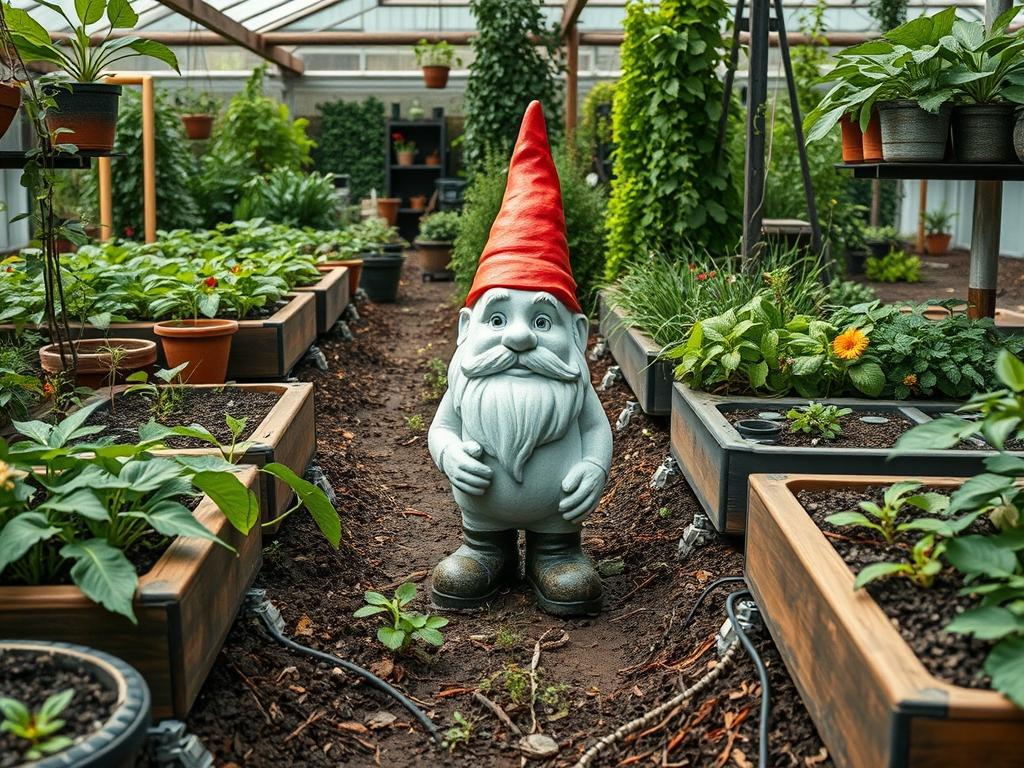
Creating a cohesive outdoor environment requires more than simply placing elements in an open space; it demands a rigorous understanding of site topology, light orientation, and the interplay between living organisms and structural hardware. In the contemporary landscape industry, we are seeing a significant shift away from traditional, cluttered ornamentation toward a more streamlined, purposeful aesthetic. The challenge for many homeowners and designers lies in integrating personality into a high end architectural framework without sacrificing sophistication. This is where the concept of the Solar Garden Gnome Modern aesthetic serves as a bridge between nostalgic whimsy and functional, sustainable technology. Modern iterations of these figures prioritize clean lines, weather resistant materials, and integrated photovoltaic cells that provide ambient illumination without the need for invasive electrical trenching. When planning these spaces, one must consider the microclimate of the property, including wind tunnels, frost pockets, and soil drainage capacity, as these factors dictate both plant longevity and the durability of decorative installations.
Achieving superior curb appeal involves a delicate balance of hardscaping and softscaping that guides the eye toward specific focal points. A well designed garden functions as an extension of the interior living space, providing a transition that feels both private and expansive. Functional lighting is a critical component of this transition, as it extends the usability of the garden into the evening hours. By utilizing a Solar Garden Gnome Modern as a discrete accent piece, designers can punctuate a walkway or highlight a specific garden bed. These pieces serve a dual purpose by acting as sculptural interest during the daylight and functional beacons at night. The goal is to create a landscape that feels curated rather than accidental, where every stone, plant, and light source contributes to a unified architectural vision.
Landscape Design Principles
Successful landscape architecture relies on the foundational principles of symmetry, proportion, and focalization. Symmetry does not necessarily mean a mirror image, but rather a balanced distribution of visual weight across the horizontal and vertical axes of the garden. When integrating decor, the focal point should be established through the use of elevation layers. This is achieved by stacking plant heights from the ground cover level up to the canopy level. For example, placing a solar accent at the mid level among Hostas or Ferns creates an unexpected discovery for the viewer, drawing them deeper into the landscape.
Visual balance is further refined through the use of negative space. In a modern garden, what you leave empty is just as important as what you fill. Open areas of Decomposed Granite or fine River Rock provide a resting place for the eyes, allowing the more intricate details of the garden to stand out. Walkway planning should follow the natural flow of human traffic, using Flagstone or Pavers that are at least 2 inches thick to ensure stability. Irrigation planning is also a vital principle; group plants with similar water requirements together, a practice known as hydrozoning. This ensures that your native shrubs are not overwatered while your thirstier perennials stay hydrated. Finally, always consider the light path. A solar powered element requires a minimum of 6 hours of direct sunlight to function at peak efficiency, which means its placement must be calculated based on the shadows cast by buildings and large trees throughout the day.
Plant and Material Selection
Selecting the right materials determines the maintenance trajectory of the garden for years to come. In a modern landscape, the palette usually favors structural plants with strong silhouettes and a limited color range to maintain a clean appearance. Below is a professional guide for selecting species that pair well with modern hardscaping and solar accents.
| Plant Type | Sun Exposure | Soil Needs | Water Demand | Growth Speed | Maintenance Level |
| :— | :— | :— | :— | :— | :— |
| Boxwood (Buxus) | Full Sun to Shade | Well-Drained | Moderate | Slow | Medium (Trimming) |
| Lavender (Lavandula) | Full Sun | Gritty/Alkaline | Low | Moderate | Low |
| Pampas Grass | Full Sun | Any | Low | Fast | Low (Annual Cutback) |
| Japanese Maple | Partial Shade | Acidic/Rich | Moderate | Slow | High (Pruning) |
| Blue Star Creeper | Full Sun to Part | Moist | Moderate | Fast | Low |
| Stonecrop (Sedum) | Full Sun | Sandy/Poor | Very Low | Moderate | Very Low |
In addition to plant life, material selection for hardscaping should include non reflective surfaces to prevent heat islands. Use Basalt, Slate, or Weathered Steel to create a dark, earthy backdrop that allows the glow of solar elements to pop. Using a 2 inch layer of Premium Hardwood Mulch or Pine Bark Nuggets will help retain soil moisture and suppress weed growth, providing a finished look that highlights the intentionality of the design.
Implementation Strategy
The implementation phase begins with a thorough site preparation. Start by grading the land to ensure that water flows away from the home foundation and toward designated drainage areas or French Drains. Improper grading is the leading cause of basement flooding and plant root rot. Once the grade is established, use a Trenching Spade to define the borders between turf and garden beds. A crisp edge, created with Steel Edging or Polyethylene Benders, provides a professional finish that prevents grass from encroaching on your ornamental areas.
When laying out the garden, begin with the largest elements, specifically trees and primary shrubs. These are the anchors of your design. After the anchors are set, install your hardscaping, including any Retaining Walls built from Interlocking Concrete Blocks or natural Limestone. Once the structural bones are in place, move to the planting of perennials and ground covers. Only after the plants are in the ground should you place your decorative accents such as the Solar Garden Gnome Modern. Position these items in areas where they can catch the late afternoon sun while remaining protected from high traffic areas where they might be tripped over. For the final touch, apply a consistent depth of mulch, ensuring it does not touch the base of trees or the stems of plants, which can cause fungal issues.
Common Landscaping Failures
One of the most frequent errors in residential landscaping is the failure to account for the mature size of plants. A Leyland Cypress may look small in a 5 gallon bucket, but within a decade, it can reach widths that overwhelm a small yard. This leads to root overcrowding and competition for nutrients, eventually killing the less aggressive plants. Another common mistake is the improper installation of irrigation systems. Spray heads that hit the foliage of roses or the casing of solar lights can lead to black spot fungus or calcium buildup on the photovoltaic sensors.
Soil compaction is another silent killer of beautiful gardens. Heavy foot traffic or the use of heavy machinery during construction crushes the air pockets in the soil, preventing oxygen from reaching the root systems. To fix this, use a Core Aerator and incorporate organic matter like Leaf Mold or Compost. Finally, many homeowners fail to monitor the light requirements of their solar accents. If a Solar Garden Gnome Modern is placed under a dense canopy of Oak Trees, it will never reach its tactical lighting potential. Check the solar trajectory during different seasons to ensure your hardware remains functional year round.
Seasonal Maintenance
Landscape management is a year round commitment that changes with the tilt of the earth. In the spring, the focus is on rejuvenation. Use Pruning Shears to remove deadwood and shape deciduous shrubs before the first buds break. Apply a Pre-emergent Herbicide to garden beds to stop weed seeds from germinating as the soil warms. This is also the time to check your solar panels and wipe them down with a damp cloth to remove the winter grime.
As summer arrives, the priority shifts to water management. Check your Drip Irrigation lines for clogs and adjust timers to account for the heat. Deep, infrequent watering is better for root development than shallow daily mists. In the autumn, focus on soil health. Rake fallen leaves to prevent them from smothering the lawn, but consider tilling some back into the garden beds as natural mulch. Prune back spent perennials and prepare the soil for winter dormancy. During the winter, protect sensitive plants with Burlap Wraps. If you live in a climate with heavy snowfall, move your solar decor to a covered area or a porch where it can still receive light but won’t be buried, as the weight of frozen snow can crack modern resin casings.
Professional Landscaping FAQ
How do I choose the best spot for solar accents?
Locate an area that receives at least six hours of unobstructed sunlight. Avoid placing them directly under dense shrubbery or near high power floodlights, as the ambient light may prevent the solar sensors from triggering the glow at night.
What is the best way to prevent weeds in stone paths?
Lay a heavy duty Geotextile Fabric beneath your stone or gravel. This prevents weed roots from reaching the soil while allowing water to drain through. Periodic applications of specialized vinegar or flame weeding can manage any surface blown seeds.
Can I leave solar garden decor out during the winter?
Most modern solar items are rated for outdoor use, but extreme cold can shorten battery life. If temperatures drop below freezing for extended periods, it is best to bring resin or glass items into a garage or shed to prevent material fatigue.
How deep should my mulch layer be for optimal health?
A consistent depth of 2 to 3 inches is ideal. This is thick enough to suppress weeds and retain moisture without suffocating the soil. Never pile mulch against the trunks of trees, as this creates a “mulch volcano” that invites rot.
How do I fix poor drainage in a flat backyard?
The most effective solution is installing a French Drain or a dry creek bed using River Rock. This directs excess surface water toward a lower point or a dedicated rain garden, preventing the saturation of your primary landscape beds.