
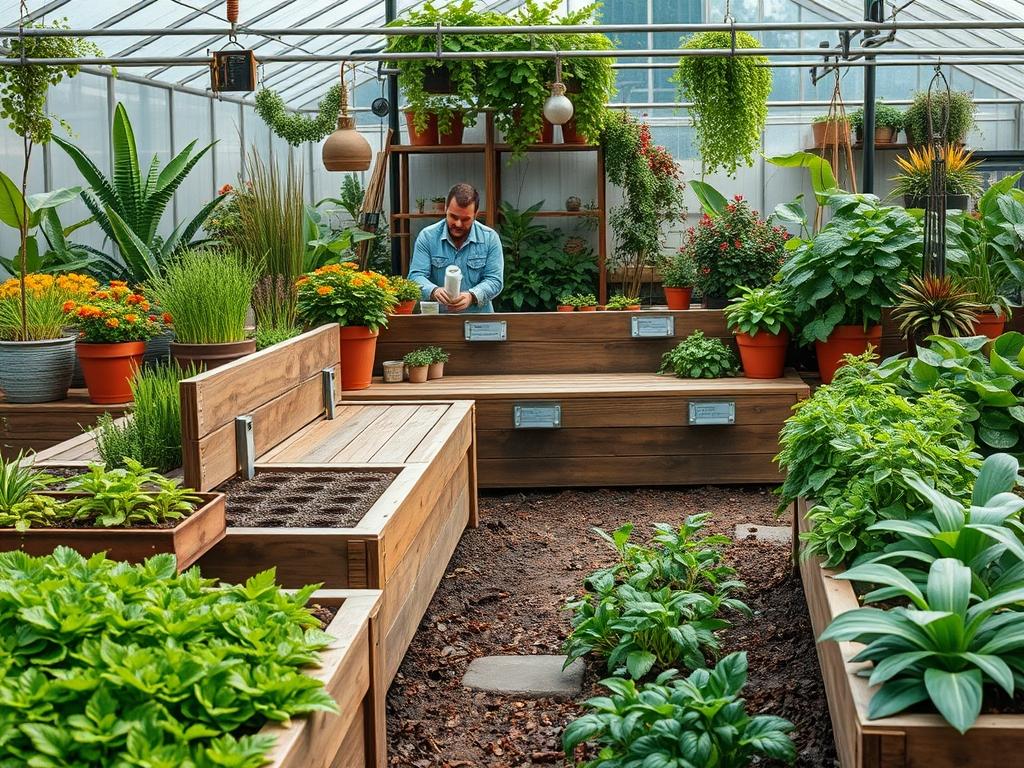
Integrating a cohesive storage solution into a high-end landscape requires a sophisticated understanding of both spatial geometry and material durability. Modern deck storage benches serve as a pivotal intersection between architectural utility and aesthetic refinement, providing a dual-purpose element that maximizes the efficiency of outdoor living areas. When designing these structures, a landscape architect must consider the site’s topography, the prevailing microclimate, and the existing architectural vocabulary of the primary residence. A well-placed bench does more than hide cushions or gardening equipment; it defines the perimeter of an outdoor room, directs the flow of foot traffic, and offers a permanent structural anchor within the garden’s shifting seasonal textures.
The landscaping challenge often lies in the tension between the need for large-volume storage and the desire for a sleek, minimalist profile. To achieve this, modern designs frequently utilize hidden fasteners, integrated hinges, and recessed bases that create a floating effect. This architectural levity prevents the bench from appearing as a bulky obstruction. Furthermore, the selection of materials must reflect the surrounding hardscape. Using Ipe, Teak, or high-performance Composite boards ensures that the bench can withstand the rigors of moisture, ultraviolet radiation, and temperature fluctuations. In professional garden planning, every element must contribute to the overall curb appeal, and a custom-built storage bench provides a clean, organized appearance that pre-built plastic containers simply cannot match.
Landscape Design Principles
Effective landscape design relies on the core principles of symmetry, proportion, and visual balance. When incorporating modern deck storage benches, these structures should be treated as focal points or as framing devices for specific views. Symmetry is often achieved by flanking a central staircase or fire pit with twin benches, which installs a sense of formal order. If the landscape is more organic or asymmetrical, a single, elongated bench can provide a grounding horizontal line that contrasts with vertical plantings, such as Columnar Italian Cypress or tall ornamental grasses.
Elevation layers are another critical consideration. By integrating a storage bench directly into the deck’s railing system or set into a retaining wall, the designer can save valuable floor space while maintaining a clear sightline across the property. This layering effect adds depth to the landscape. Furthermore, the placement of the bench must be coordinated with the irrigation planning. It is imperative that sprinkler heads are not positioned where they will spray directly onto or under the bench, as chronic moisture can lead to wood rot or the accumulation of mold inside the storage compartment. Walkways should be designed with at least 36 inches of clearance from the front of the bench to allow for comfortable legroom and easy access to the stored items.
Plant and Material Selection
The success of a modern deck installation depends on the synergy between the hardscape materials and the surrounding flora. The following table outlines optimal plant choices that complement the clean lines of modern storage benches while thriving in common deck-adjacent environments.
| Plant Type | Sun Exposure | Soil Needs | Water Demand | Growth Speed | Maintenance Level |
| :— | :— | :— | :— | :— | :— |
| Boxwood (Buxus) | Full to Partial | Well-drained | Moderate | Slow | Low |
| Japanese Maple | Partial Shade | Slightly Acidic | Moderate | Slow | Low |
| Blue Oat Grass | Full Sun | Dry, Sandy | Low | Moderate | Low |
| Creeping Thyme | Full Sun | Well-drained | Low | Fast | Low |
| Sky Rocket Juniper| Full Sun | Adaptable | Low | Fast | Low |
| Pachysandra | Full Shade | Organic, Rich | Moderate | Slow | Low |
For the construction materials, Stainless Steel hardware is the industry standard for coastal or high-humidity regions to prevent rust streaks. Thermally modified wood is another excellent choice for modern benches, as the heating process removes the sugars that attract insects and fungi, resulting in a stable, dark timber that ages gracefully.
Implementation Strategy
Planning a backyard layout involving modern deck storage benches requires a systematic approach to site preparation and construction. The first phase is grading. Ensure the area beneath the deck has a 2 percent slope away from the home’s foundation to prevent water pooling. Once the grade is established, a layer of Geotextile fabric should be laid down, topped with 3/4 inch crushed gravel to suppress weed growth and facilitate drainage.
The second phase involves the framing of the bench. If the bench is built-in, it should be integrated into the deck’s joist system using 6-inch carriage bolts for maximum structural integrity. For the storage box itself, the interior should be lined with a waterproof membrane or a removable heavy-duty plastic liner to keep contents dry during heavy rain. Edging around the deck should be crisp; use Aluminum edging or Belgian block to create a distinct transition between the deck and the lawn or mulched beds. Finally, apply a UV-resistant sealant to any natural wood surfaces to maintain the color and prevent checking or splitting.
Common Landscaping Failures
One of the most frequent errors in garden planning is the failure to account for proper drainage around permanent structures. If water is allowed to collect at the base of a modern deck storage bench, it will quickly compromise the wood’s integrity and create a breeding ground for mosquitoes. Designers must ensure that the bench does not block the natural flow of surface runoff. Another common mistake is root overcrowding. Planting large shrubs or trees too close to the deck footers can lead to structural shifting as the root systems expand over time.
Soil compaction is a hidden danger during the construction phase. Heavy machinery can crush the soil structure, leading to poor drainage and unhealthy plant growth later on. It is vital to aerate the soil in the planting zones after the hardscaping is complete. Additionally, improper spacing of the deck boards on the bench lid can lead to “cupping” or “crowning” if the wood does not have enough room to expand and contract with the weather. Always leave a gap of at least 1/8 inch between boards to allow for air circulation and water runoff.
Seasonal Maintenance
Maintaining a professional landscape requires a calendar-based approach to care. In the Spring, inspect the storage bench for any signs of winter damage or loose fasteners. It is the ideal time to clean out the storage compartment and check for pests. Apply a fresh layer of Bark mulch to a depth of 3 inches in the surrounding beds to retain moisture for the upcoming heat.
During the Summer, the focus shifts to irrigation management and UV protection. Ensure that the automated system is delivering water to the roots of the plants, not the side of the bench. In the Autumn, clear fallen leaves from the crevices of the bench and the deck surface. If leaves are left to rot on the wood, they can cause permanent staining. Finally, in the Winter, if you live in a snowy climate, use a plastic shovel or a stiff broom to clear the bench. Metal shovels can gouge the wood or scratch the composite finish. Avoid using de-icing salts near the bench or the plants, as the salt runoff can be toxic to the soil and corrosive to the hardware.
Professional Landscaping FAQ
How do I prevent my storage bench from smelling musty?
Ensure the design includes small, hidden ventilation gaps or a breathable liner. Proper airflow is essential to prevent moisture buildup. Additionally, avoid storing damp cushions; always ensure items are completely dry before placing them inside the bench.
What is the best wood for a long-lasting outdoor bench?
Ipe and Teak are the premier choices due to their high oil content and density. They naturally resist rot and insects. For a more budget-friendly but durable option, consider Western Red Cedar or high-quality Composite materials.
Can I integrate lighting into my storage bench?
Yes, low-voltage LED strip lighting can be installed under the lip of the bench seat. This provides safety by illuminating the walkway and adds a sophisticated ambiance to the landscape at night without creating harsh glare.
Should I anchor my bench to the deck or keep it freestanding?
Built-in benches offer superior stability and a seamless look, which is often preferred in modern designs. Freestanding benches provide more flexibility for future layout changes but may shift or require more frequent leveling on uneven surfaces.
How deep should a comfortable deck bench be?
A standard comfortable seat depth is between 18 and 20 inches. If you plan to add thick outdoor cushions, you may want to increase the depth to 24 inches to ensure there is still ample room for seating.